
The City of Bellingham is considering raising the prices of city-owned electric vehicle charging stations for the first time since 2022.
A proposal presented to the city’s transportation commission on April 14 by the city’s climate and energy manager, Seth Vidaña, suggests raising the price of level three fast charging from $0.25 per kilowatt-hour to $0.40.
The City Council will consider the proposal at its May 11 meeting. The rise in price is projected to fix the EV charging program’s projected $11,000 deficit and provide about $15,000 in additional revenue each year.
The estimated impact on monthly expenses to residents is around an additional $30, considering factors like battery size and the number of visits to level three stations.
“Having the increase on level three versus level two would be least impactful to both residents and the city revenue associated with this because level three users tend to be folks who are passing through town,” Vidaña said at the meeting.
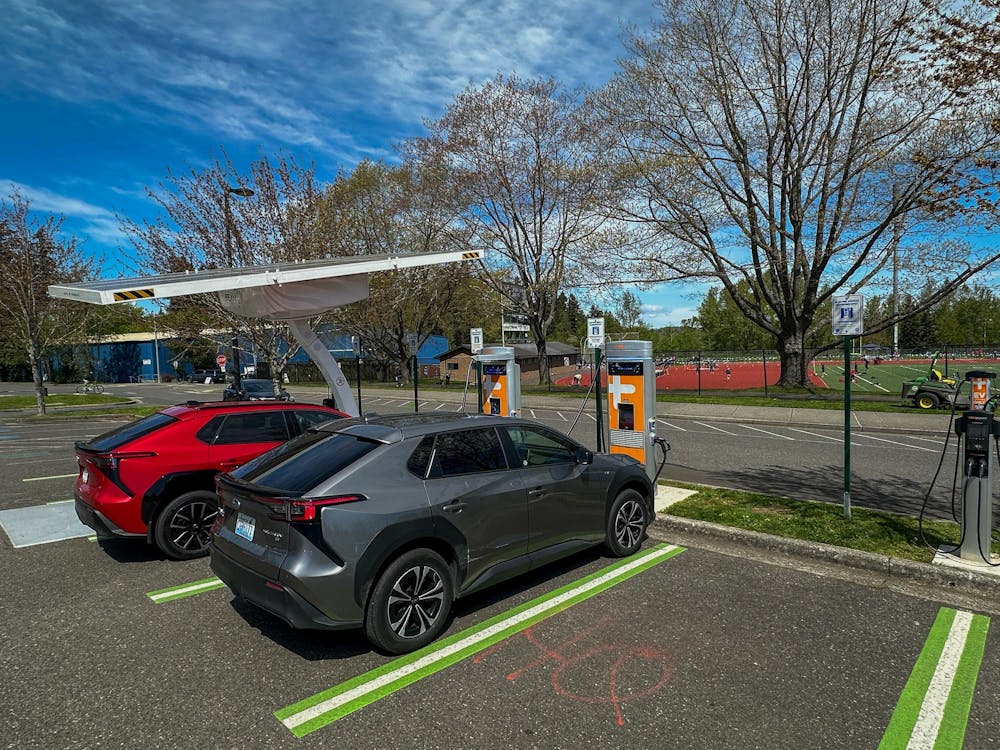
Level three chargers are the fastest available charging options, usually taking under an hour to fully charge a vehicle, depending on the battery size. They are the most expensive chargers due to their large strain on the power grid.
Most EV owners use level two chargers for daily charging due to their wide accessibility and affordability. According to Vidaña, the average price of all level two charging in Bellingham is $0.27 per kWh, and the average level three rate is $0.45 per kWh.
By keeping city-owned level two chargers at their existing, below-market rate of $0.25 per kWh and only raising the fast-charge price, the hope is to keep the most popular method of charging affordable while eliminating the city’s deficit and maintaining the not-for-profit charging network.
Steven Hershowitz, the clean transportation managing director at the energy division of the Washington State Department of Commerce, said “While Washington’s rates remain among the least expensive in the nation, we are affected by the rise in electricity rates caused primarily by the very fast pace of data center expansion. While electrification of vehicles also adds use, that increase is gradual and is being planned for, while the AI demand for power is not.”
Despite this rise in price, fueling EVs in Washington remains significantly cheaper than fueling with gasoline. Fully charging an EV on level three chargers in Washington costs around $15 to $30, according to Hershowitz.
“The average Washington EV driver saves about $1,500 in fuel costs annually when gasoline prices are high like they are now,” he wrote in an email. “While any cost increase for consumers right now is a concern for affordability, an increase that brings a specific charging site’s rates more in line with market prices will not affect the growth in EV usage.”
With large spikes in gasoline prices, $5.40 being Washington’s current price per gallon, Washington EV owners have been able to bypass these rapid price fluctuations.
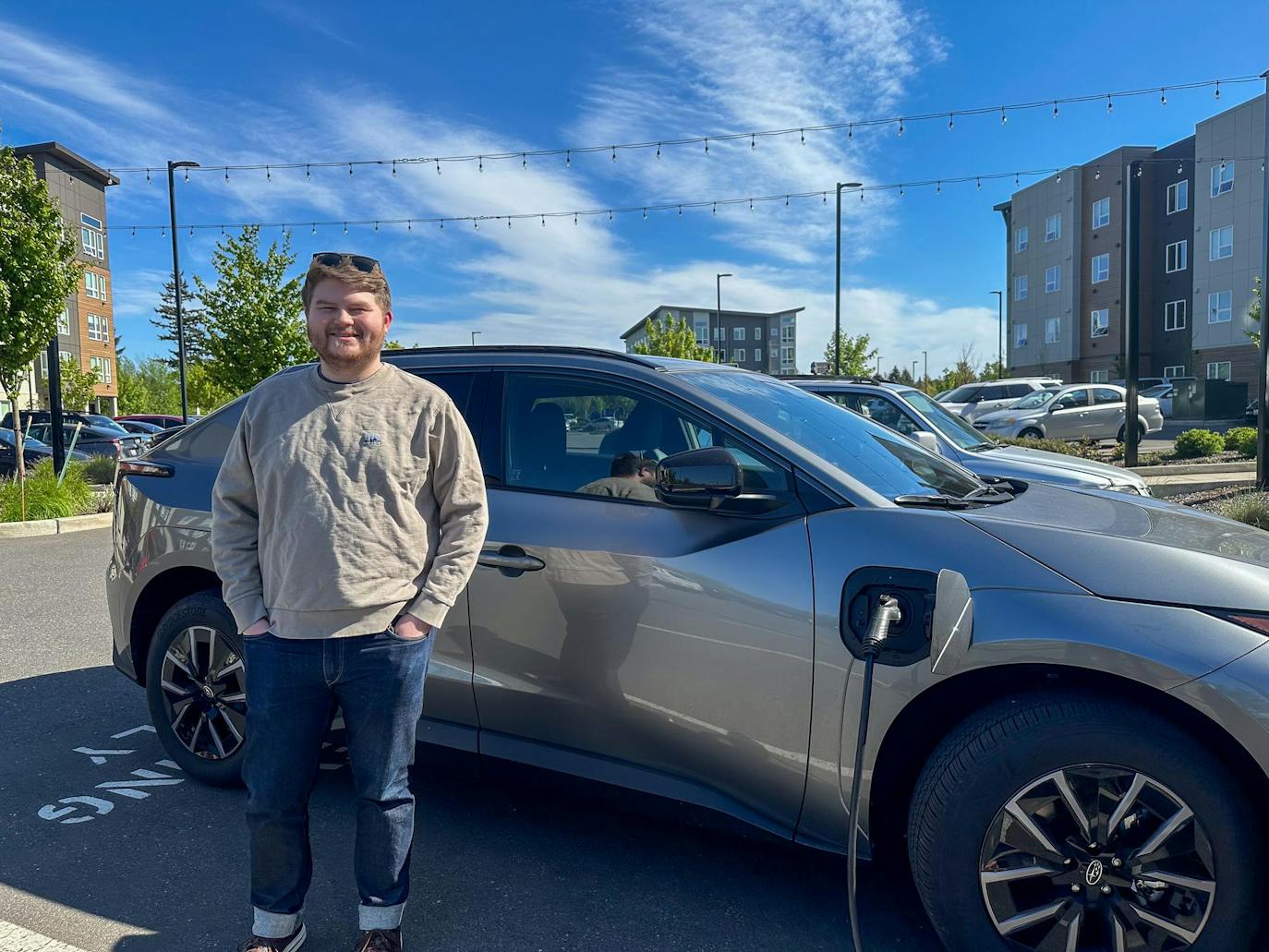
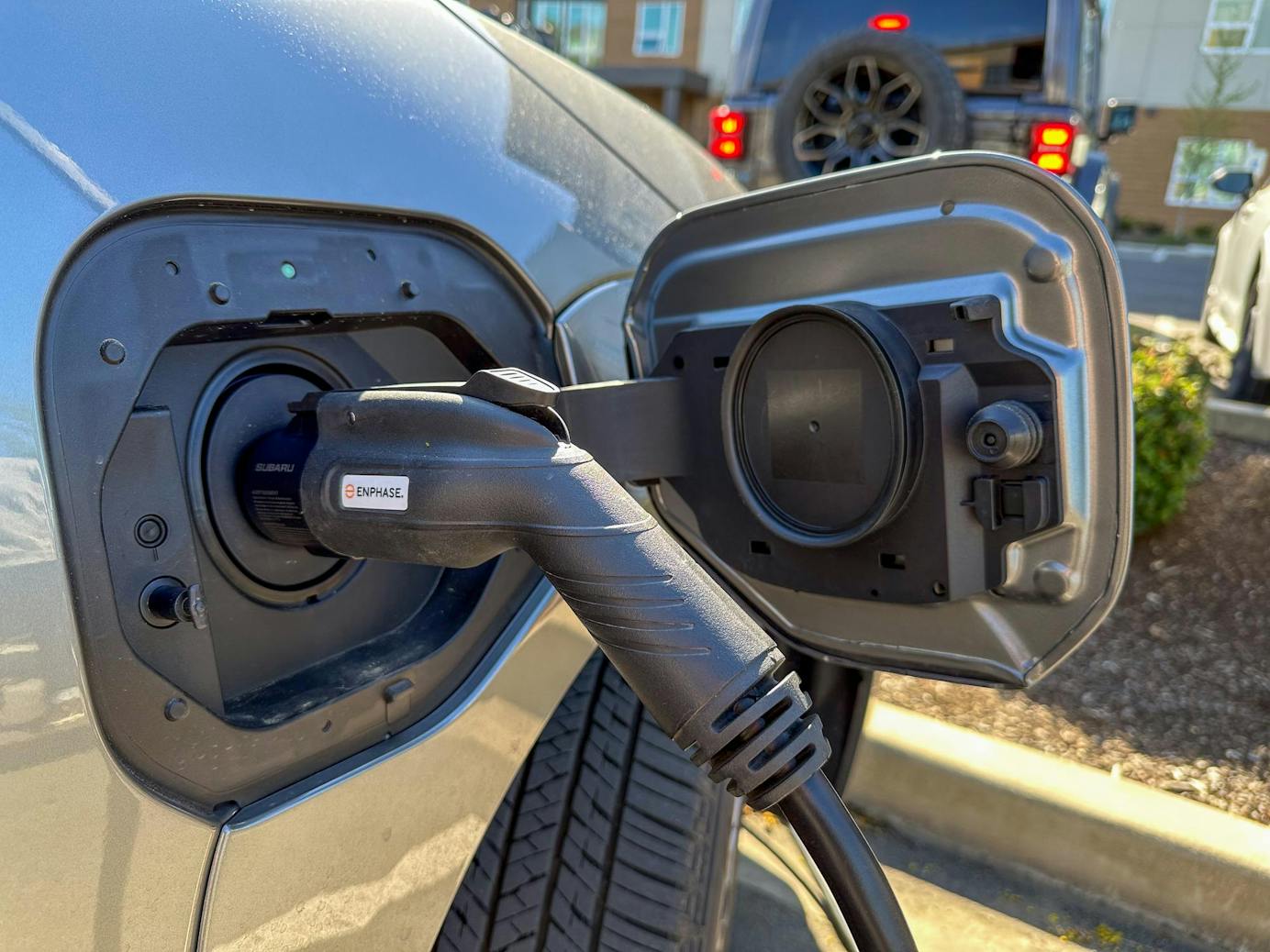
Kayden Greenup, a Bellingham resident who recently switched from a gasoline-fueled vehicle to an all-electric 2026 Subaru Solterra, has cut down drastically on his monthly expenses by recharging his car on level two charges at his apartment complex.
“Previously, I’d basically be filling up my car once a week, and so that would be somewhere between, I don’t know, fifty to sixty dollars in gas every week,” Greenup said. “We’ve really loved it, and it’s been very easy for us to transition and use and not have to worry about, you know, gas and filling up.”
Bellingham’s planned rate increase still keeps the price of EV fast charging well below the state average of $0.50 per kWh and the average cost of filling a tank with gasoline, according to Hershowitz.
Bellingham has not updated the rates of its chargers since November 2022. City staff asked the City Council for three years to examine the long term costs of the system before updating the rates, Vidaña said. At the May 11 meeting, staff will request to be allowed to set charging prices without council approval going forward. The city plans to evaluate charging rates on an annual basis to stay in line with the market.
The city recently completed the largest phase of its EV charging project to date. An additional 47 new charging stations were built on 26 sites, adding 90 plugs overall.
This was part of the implementation of the 2018 Climate Action Plan that set the goal of reducing emissions from transportation by investing in electric vehicles and charging infrastructure to have 40% of vehicles in Bellingham be electric by 2030. At the transportation commission meeting on April 14, concerns were raised by the commissioners that this rate increase would negatively impact the city’s continuous growth in EV charging usage.
“If anything it’s just, like, incentives right?” said Greenup. “I think that would probably end up pushing us to not use those chargers as much, would be my guess. We would probably try to plan ahead better and use our other level two chargers to save that money instead.”
Atlanta Moss (she/her) is a city news reporter for The Front this spring. She transferred to Western this year and is excited to jump in as a third-year news/editorial journalism major. She can usually be found at the movies, the bowling alley or the Viking Union cafe. You can reach her at atlantamoss.thefront@gmail.com.