

The words “otro mundo es posible” are painted onto a quilted tapestry banner that hangs on Community to Community’s front window. Adorned with strawberries and roses, it is a form of artful protest that reminds those who pass by that another world is possible.
The organization — dedicated to the intersection of farmworker rights, immigrant rights, climate justice and democratic participation — has been working toward community solidarity and a response to ICE’s increased presence in Whatcom and Skagit counties. In doing so, a definition of solidarity has developed.
Liz Darrow, Community to Community’s coordinator of participatory democracy, said that their eight-month-old program, Bienestar, intentionally cultivates awareness of and connection to the people in your neighborhood and community. They knock on local doors to build trust with community members and inform them of the program’s goals, so in cases of emergency, there are solid support systems in place.
“It was the hole in the net that we saw because we’re so isolated after years of COVID and more of our lives being digital,” Darrow said.
She said it has been “profound” to see the intricacies of relationships take shape. The networks of people that are developing — immigrants and non-immigrants alike — ensure that they notice when something happens to their neighbors, and they know what steps to take next.
Bienestar, which translates to well-being, is just one response to ICE’s increased invasion of Whatcom and Skagit Counties. Darrow said that Community to Community has learned that ICE’s detention methods often involve tracking the movement of immigrants — especially on their work commutes — so on a more individual level, neighbors are taking turns in mutual aid practices such as dropping off and picking up students from school or delivering food and assistance.
“It also extends beyond groceries,” said Lourdes Gutierrez-Najera, Western Washington University’s chair of ethnic studies. “We’re saying, ‘how can I help take care of you and your family? How can I help you have some semblance of mental well-being?’”
Another form of solidarity among community members, regardless of citizenship status, is expressed through regular protests. In addition to the visible opposition to ICE, they offer networking opportunities to develop concentrated mutual-aid and response efforts further.
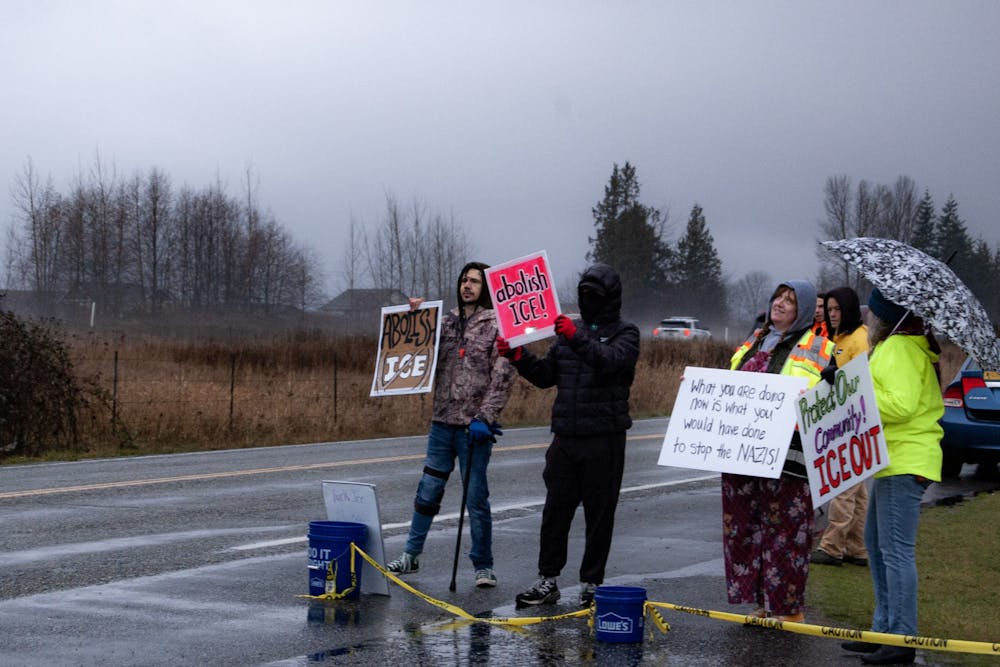
Brooke Eolande organizes and maintains a protest outside the Ferndale ICE facility every Friday. Anyone detained by ICE in Island, Whatcom and Skagit Counties spends at least a day in the facility before being moved to Tacoma.
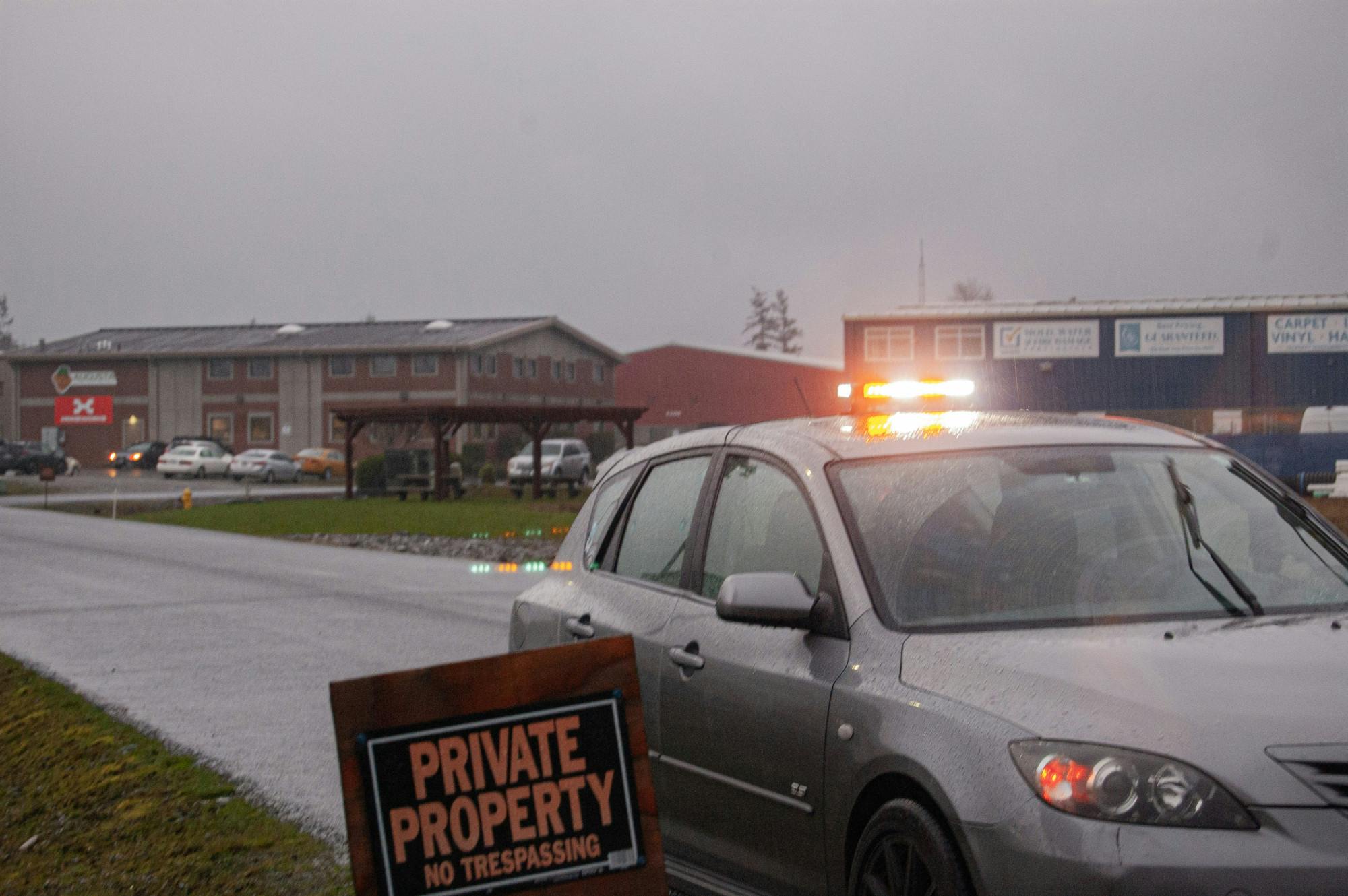
Eolande chose this location in July after feeling the urge to do something in the face of ICE brutality and kidnapping. Especially after the abduction of union leader and organizer Lelo Juarez Zeferino in March, she wanted to bring awareness of the facility’s existence. Attendance numbers vary, with major political events shaping community involvement — the week of Alex Pretti’s killing in Minnesota saw 400 people protesting.
“I think protests are a place to gather for connections to be made, and I also think visible solidarity is really helpful, so people know there are people standing up,” Eolande said. “I hope it makes marginalized communities feel a little more supported. I also hope it helps people who are scared to participate to feel braver because they know they’re not going to be doing it alone.”
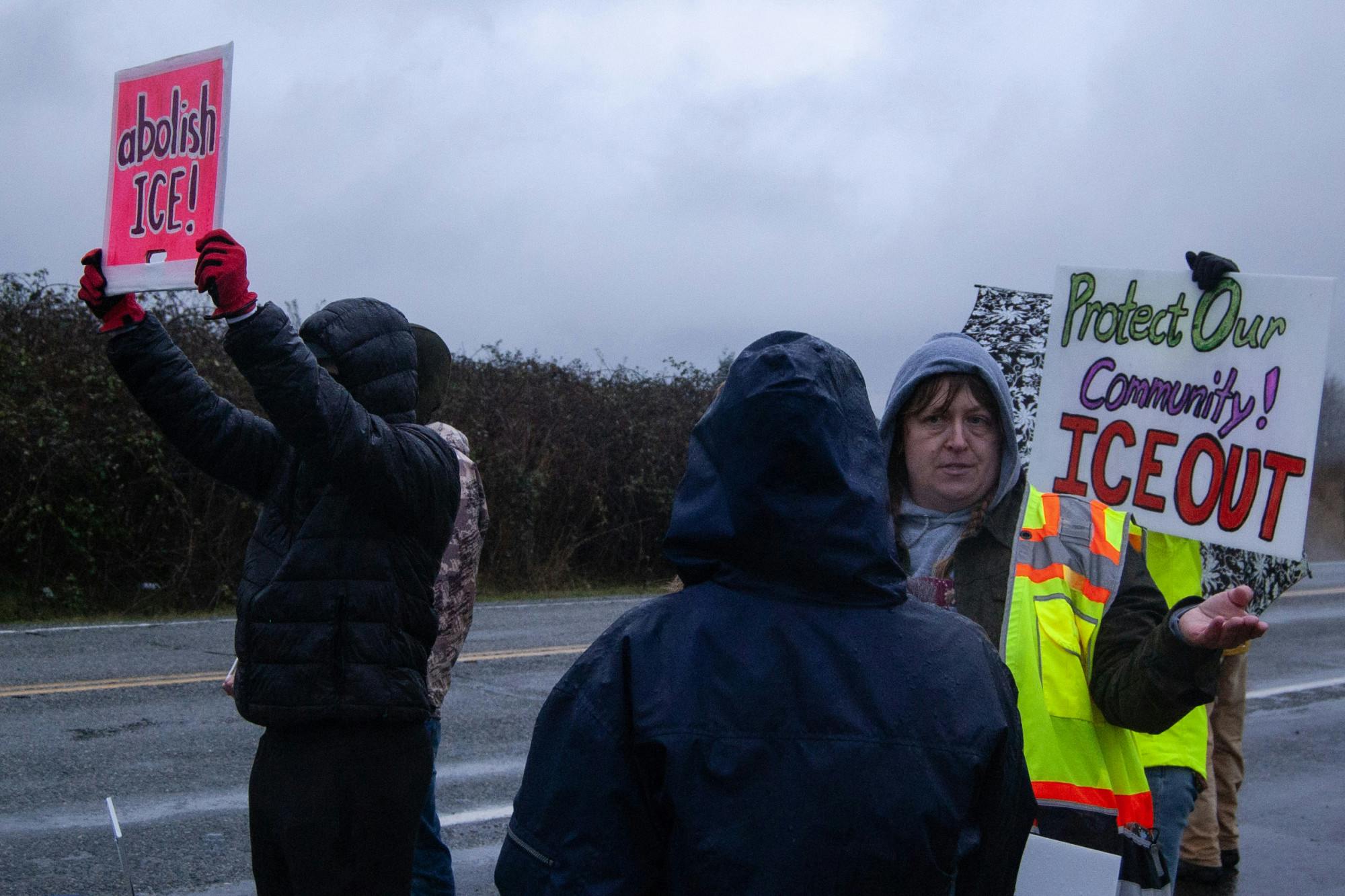
Attendees of the protest are motivated by anger, compassion and a desire for change. Olivia Klein, attendee of the Feb. 13 protest, said her experience as a school counselor shed a new light on the proximity of ICE and its threats.
“It’s pretty intense and devastating,” she said. “We just had our parent-teacher conferences this week with these people who are telling firsthand anecdotes about losing loved ones, needing money and needing resources, and it is really real.”
Resistance is multifaceted; no one practice guarantees the elimination of ICE and its implications on community relationships and neighborhoods. A thorough community response requires collaborative effort focused on a tangible goal.
“I really think right now people should do anything they can with anything that they have to not give the impression of consent to this,” Darrow said. “Every piece of complacency should be rejected with joy and sincerity, so it’s not just ‘you guys are doing it wrong,’ but ‘we can do better than this.’”
In practices of mutual aid and protest, a cautious sense of hope emerges: not one that believes political safety exists, but one that believes it can.
“I have to have hope,” Gutierrez-Najera said. “I think that as a Mexican woman who happens to be brown too, I don’t want to feel paralyzed … after I watched Minnesota, I thought maybe whistles are effective. So I put kits together and disseminated information.”
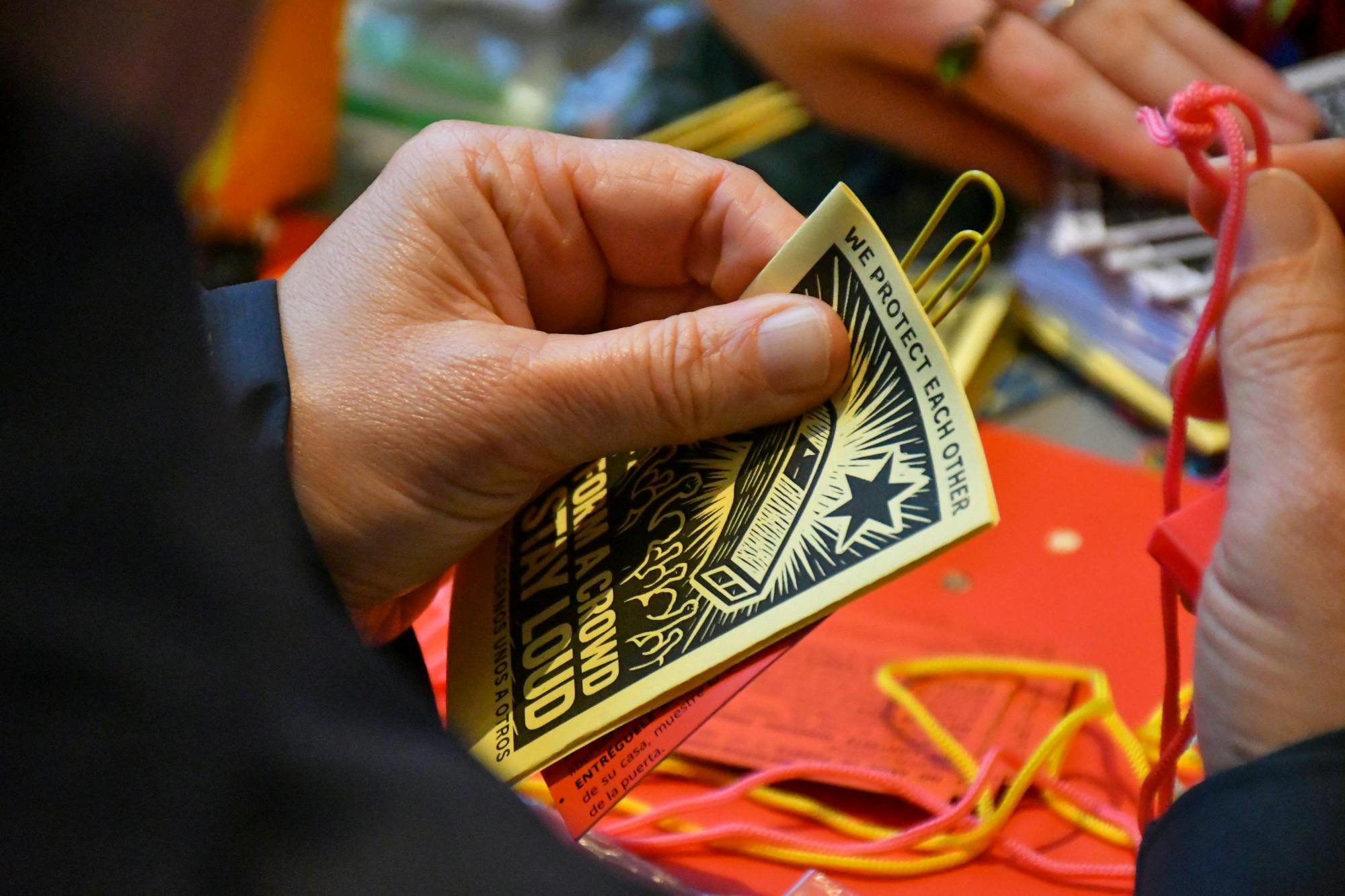
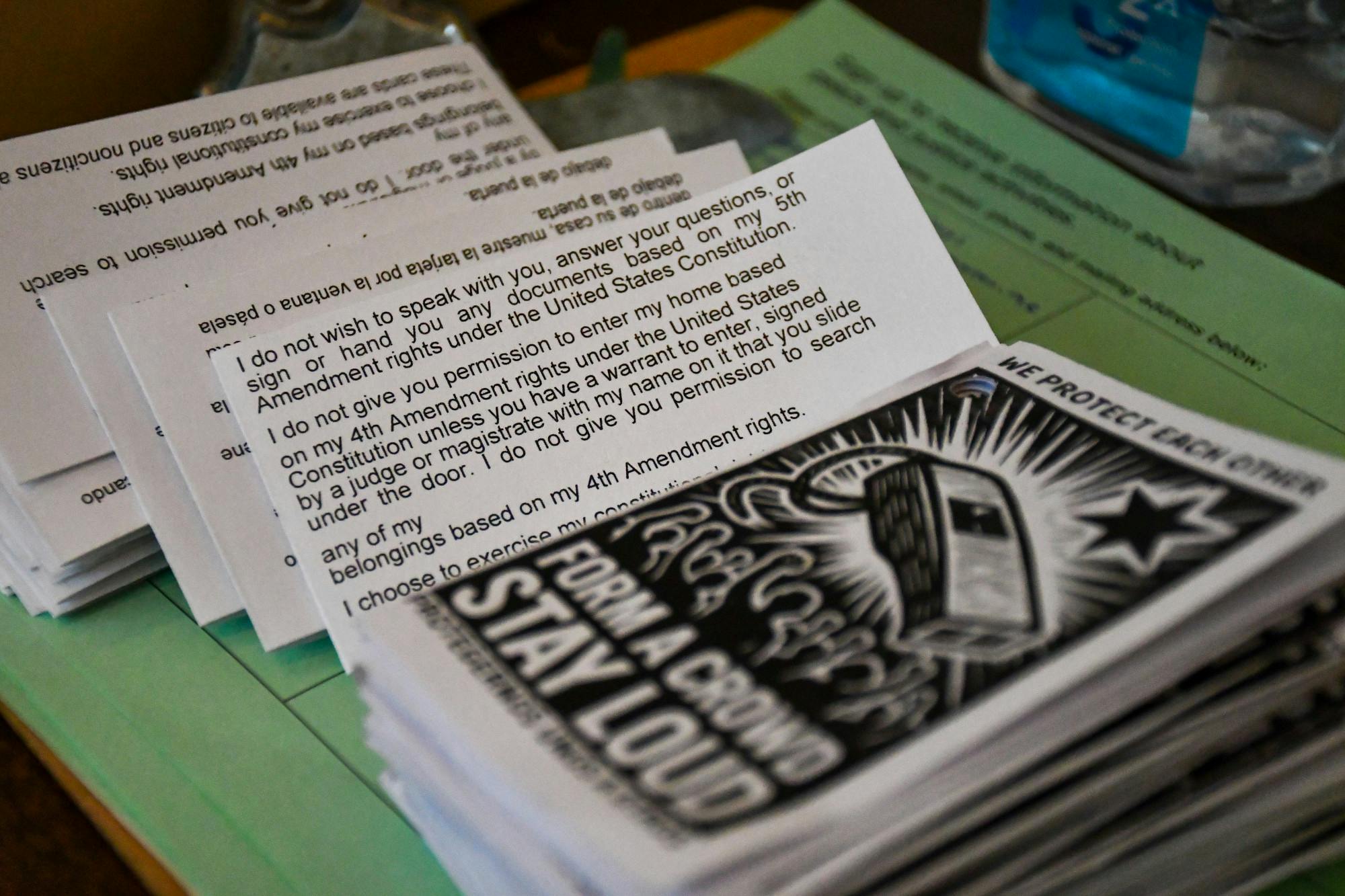
Gutierrez-Najera has held many know-your-rights trainings, distributed information about legal rights against ICE raids and kidnappings and created and shared whistle kits — which many local Bellingham businesses have also distributed — to connect with and alert community members when ICE is present and active.
The pieces of solidarity in mutual aid, protesting and distributing necessary information all return to two essential components: knowing your neighbors and practicing deep care for them in order to ensure that the value of their presence is the same as you put on your own.
“We can’t wait for a plan if an emergency happens,” Gutierrez-Najera said. “We have to have preparation. Working with immigrants to help them also prepare, to know their rights, to be able to have things in place in case something does happen to them, because emergencies happen.”
Involvement and awareness are also essential because many people naturally care about community development and existence, especially when they’re reminded of its connective political power. Darrow said its strength lies in the fact that no one can legislate, fund or stop the simple act of caring about people.
Solidarity also averts hopelessness, which often leads to a preemptive abandonment of political movements seeking change and justice. It can transform discouragement into triumph, finding beauty in the togetherness of a fight.
“The counter to that can be joy that is defiant, not just ‘Oh, I’m gonna take a self-care day’ or whatever, but together in this struggle, let’s make art,” Darrow said. “It’s the flower that blooms through the sidewalk. The concrete coldness of this time doesn't really match what human beings are meant to do.”
The overwhelming and oppressive nature of ICE’s presence, although real, is intentional and designed. Their attempted suffocation of community solidarity and political response must not succeed and ICE must never feel safe on our roads or in our neighborhoods.
A multifaceted response is necessary to meet the need, but that can also come in many smaller pieces of action or involvement. Darrow explained that seemingly little, local actions initiate a ripple effect; from knowing your neighbors to attending a city council meeting, you’re impacting a system each time you engage with it.
“There is no meaningless way to engage,” Darrow said. “I know that not everybody can vote or wants to vote, but I hope that everyone eligible does, because it’s one thing we can do — and then beyond that, there’s a million little things we can do. I hope people feel the hope in that.”
Solidarity and collective response must be the core elements of combating ICE and of preparing for and cultivating hope for the future. As it reads in Community to Community’s window: otro mundo es posible.
Rosalie Johnson (she/her) is an opinions reporter. She is a second-year journalism major on the news/editorial track and is excited for her second quarter writing for The Front. Outside of school, Rosalie can be found training for KUGS radio, visiting Bellingham’s local trails and beaches, and devouring late-night Pel’meni. You can reach her at rosaliejohnson.thefront@gmail.com.


