


News


News
Class waitlists cause graduation problems
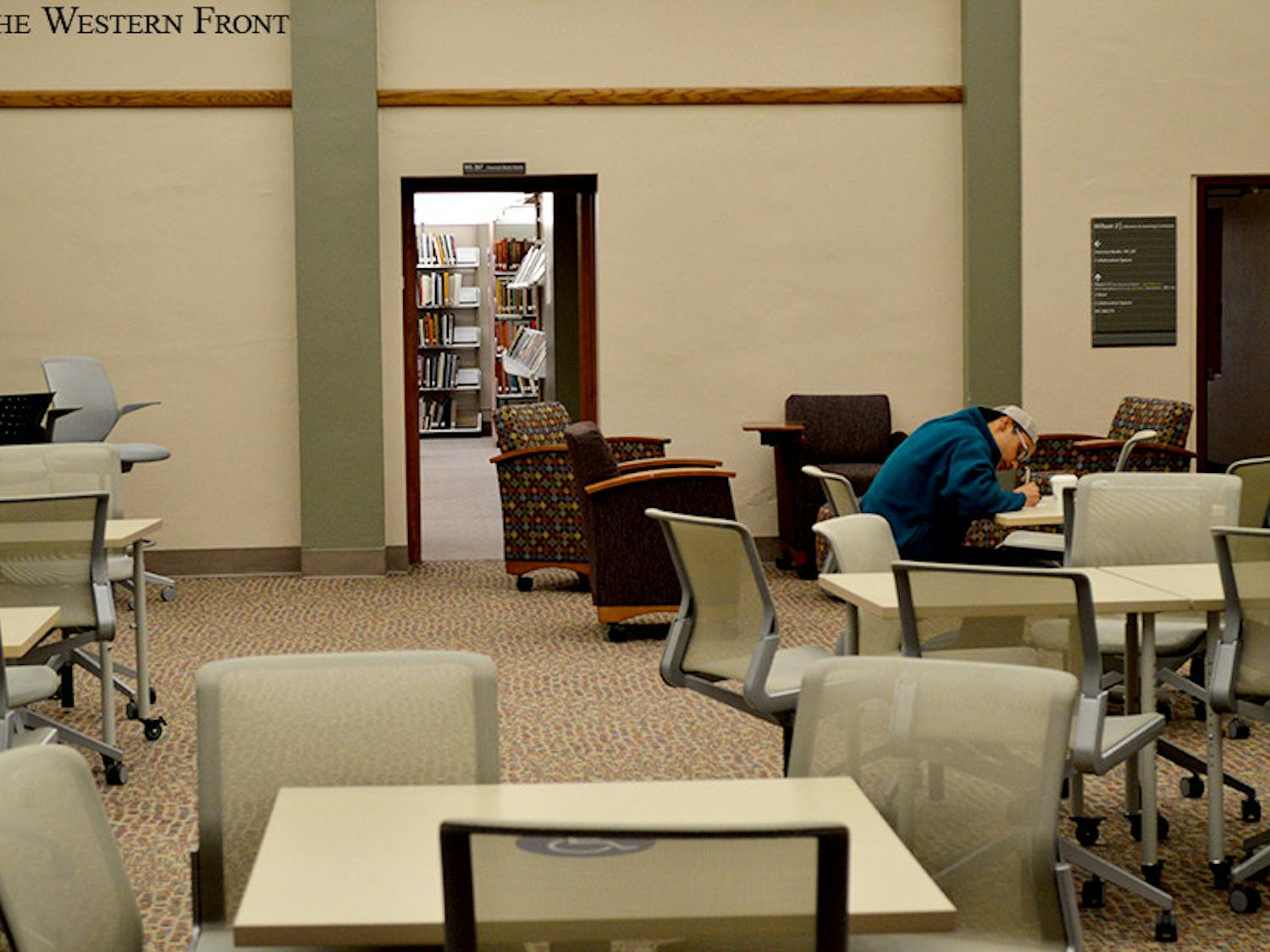
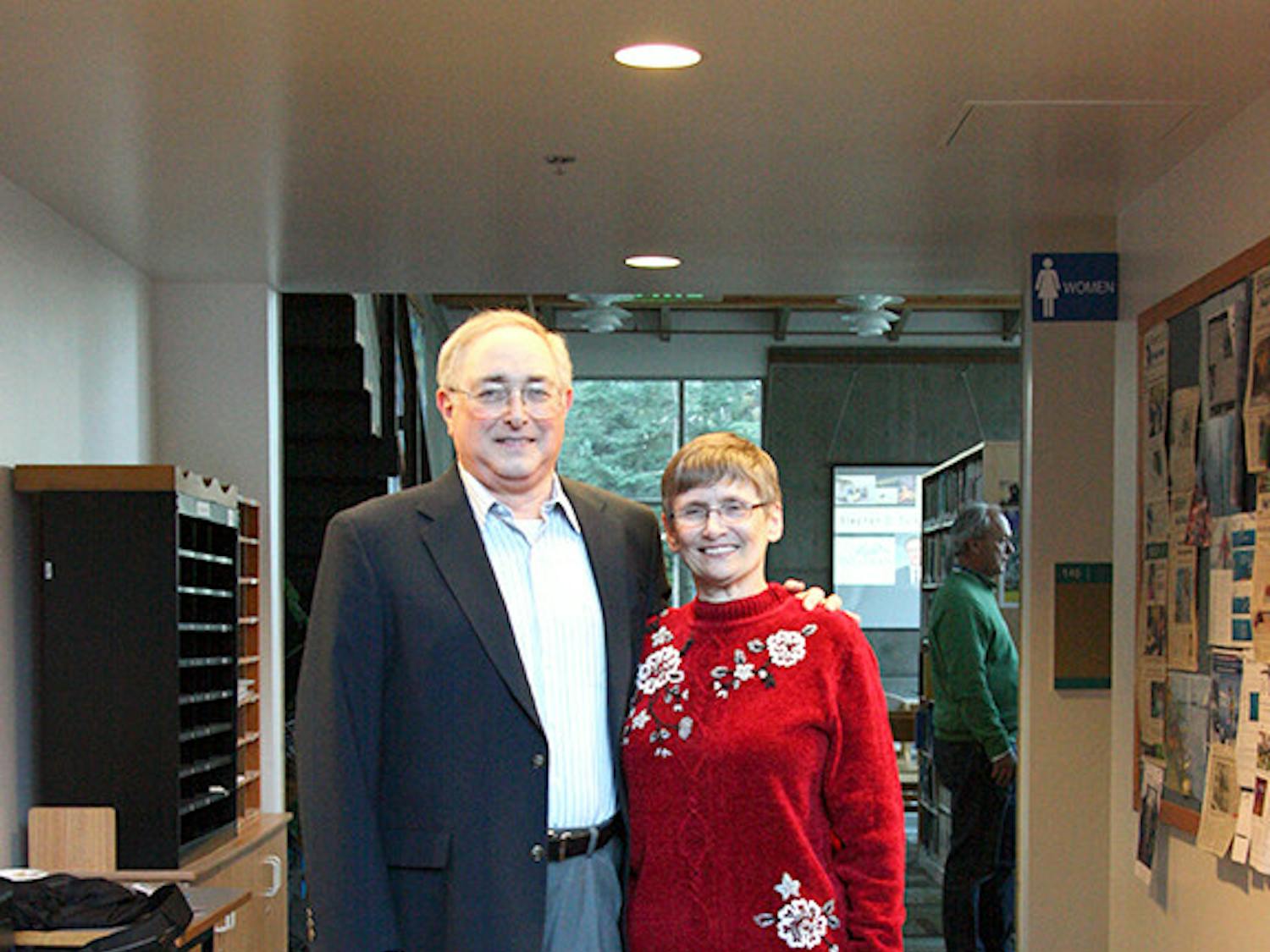
By The Front | November 24Western students majoring in psychology, engineering and other popular majors are looking at pushing their graduation dates due to the lack of required classes available. Some programs are feeling so much pressure that they’re not even allowing students to declare. From Feb. 5, 2015 – Feb 5, 2016, the kinesiology program is not allowing any student to declare the pre-major because the amount of students that need to take major-specific classes exceeds the amount of classes available. The registrar’s office oversees all the operations having to do with registration, student records, degree evaluations, commencement, scoring services, teacher and course evaluations, transcript issuing and other related issues. Registrar David Brunnemer notes that there is pressure in popular majors such as psychology, business, art and others. Another problem that arises during this process is how prerequisites for other programs may affect class availability. “Kinesiology puts pressure on other departments such as chemistry and biology,” Brunnemer said. He notes the general chemistry series experiences pressure that doesn’t stem entirely from chemistry majors. “It happens over a length of time. You can have a department or a particular major that grows in popularity over time. The student demand on those sections starts being felt. Then what you do is you measure that demand to determine whether or not this is a trend that needs to be addressed,” he said. Once the registrar accumulates registration and waitlist data, it gets sent to departments and colleges who then make the decision to expand section availability or seat size depending on their resources. The registrar’s office operates on the troubleshooting and data cleanup side, Brunnemer said. Junior Claire Harris ran into that problem with her women, gender and sexuality studies minor. “In order to have a minor, you need to have taken women studies 211 and it is virtually impossible to get into that class because it is so popular and a lot of seats are reserved for Summerstart students which takes away a lot of opportunities for upperclassmen to get into those classes. There aren’t very many sections and it’s just so popular, it’s terrible,” Harris said. However, Harris is a student within the honors program and was able to substitute an honors course for that requirement. “Were I not in Honors, I probably still wouldn’t have gotten into the class,” she said. Junior Ash Peers is majoring in psychology and has been running into issues with registering for Psychology 301. The course serves as a prerequisite for all of the 300-level psychology courses. “It’s difficult to get into the classes. I had been trying for at least a year, probably since my sophomore year, to declare because there’s a pressure to do that and figure out what you’re doing,” Peers said. Students have difficulty registering for the course until they reach the 90-100 credit range, Peers said. “I was at 96 [credits] and I got in for winter quarter so it’s been frustrating,” Peers said. Brunnemer recommends maintaining communication with advisors so that troubleshooting will be more accessible. “Always, always go to the department advisor and let them know you’re stressed and be very detailed about that stress because for seniors, it can be anything — like a work schedule that gets in the way of taking a certain course,” Brunnemer said.
News
Former Western Front editor passes away
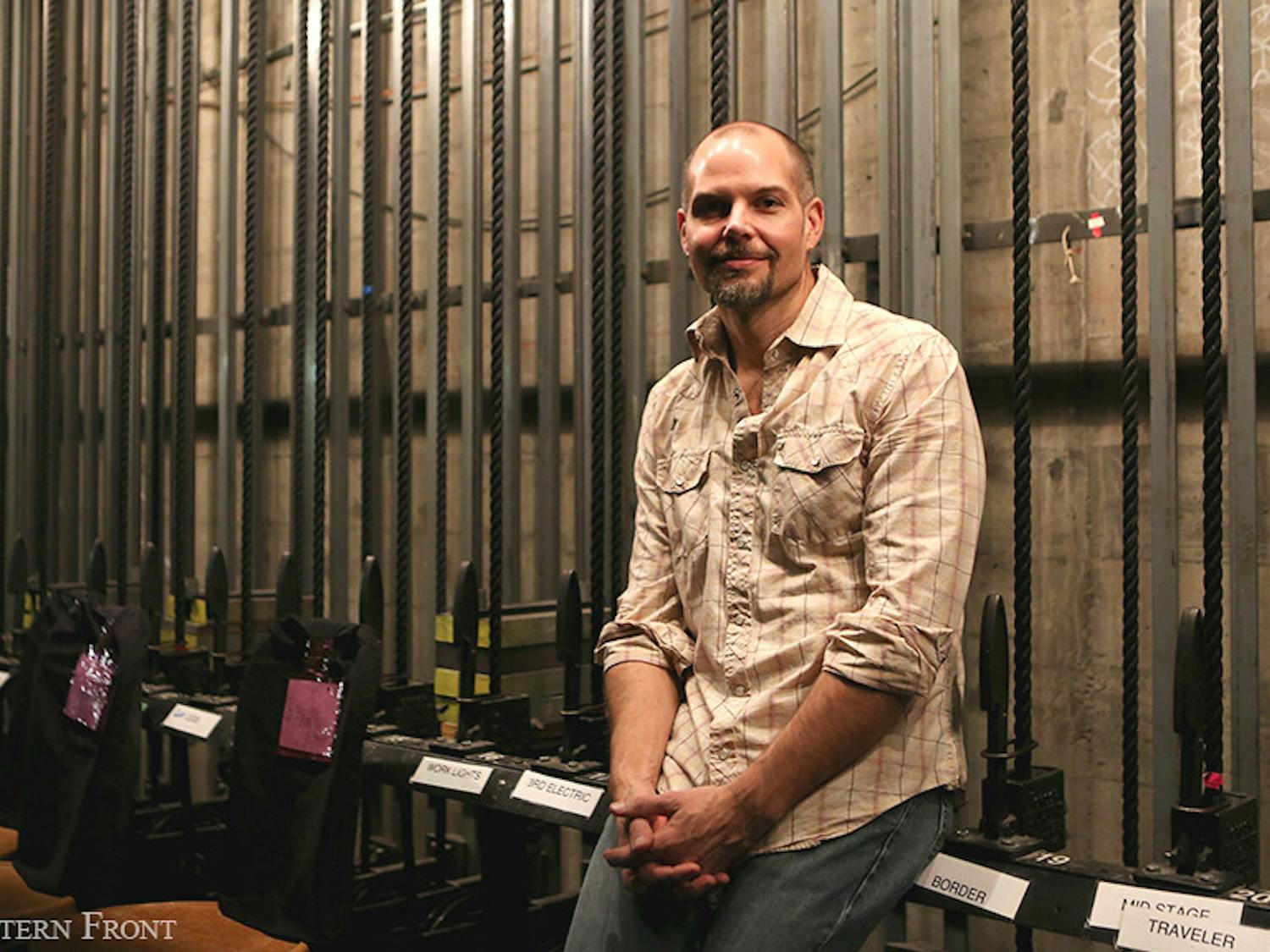
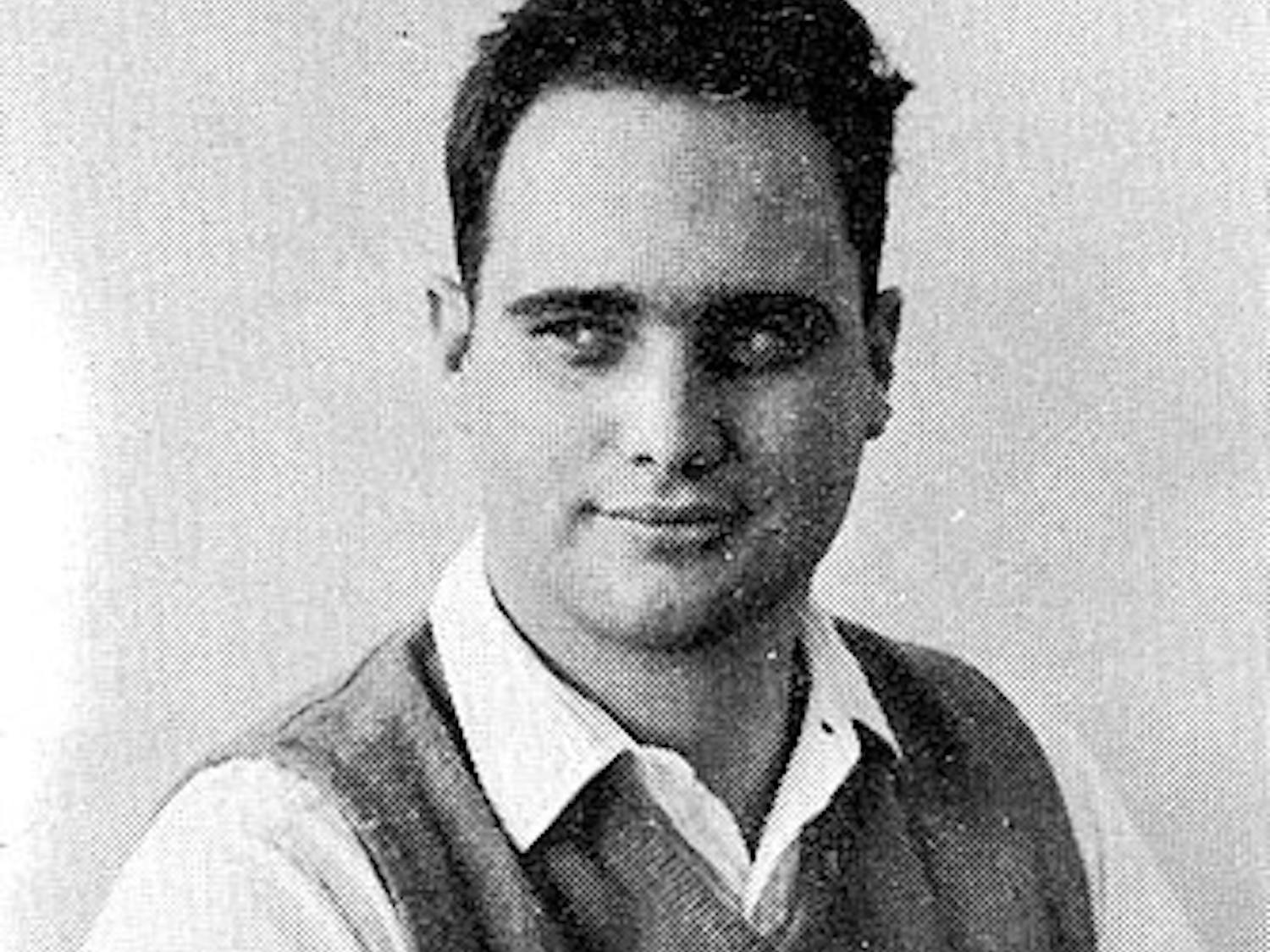
By The Front | November 20A former Associated Students president and editor of The Western Front from Sedro-Woolley died in Mount Vernon on Tuesday, Oct. 27, after a long fight with cancer.

News
Uber gives rides to Bellingham residents
By The Front | November 20Uber now provides Western students a safe way to get home after a night out on the town, or helps if they just need a ride.

News
Mixing up scientific stereotypes: encouraging diversity within STEM industries
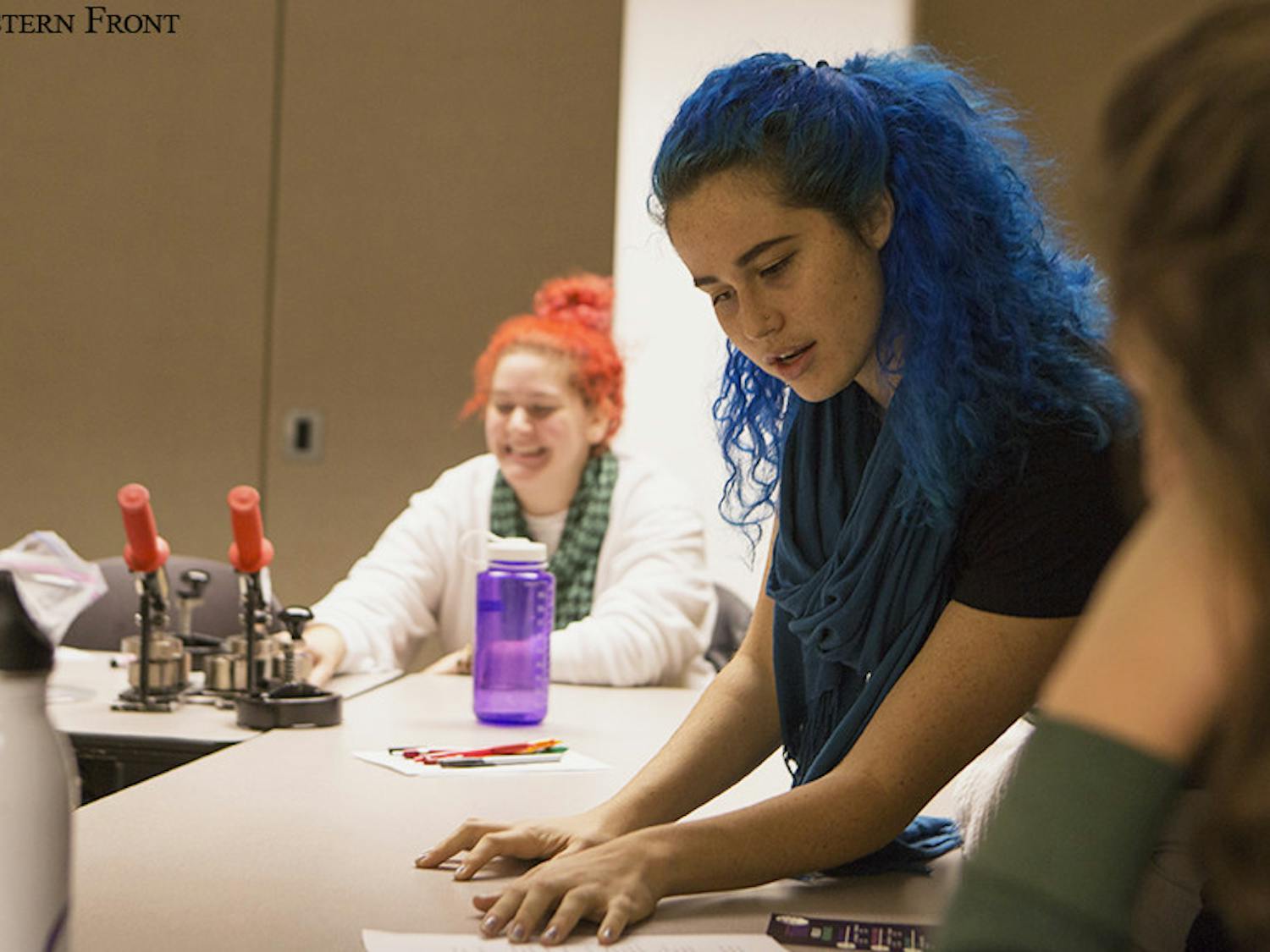
By The Front | November 17For some Western students, the image that comes to mind for a scientist or an engineer is a nerdy man in a lab coat, or Sheldon from The Big Bang Theory. These stereotypes, however, are not always true in real life, and Western’s STEM program held an event to try to eliminate those common assumptions.
News
Program to focus on fighting Internet hackers
By The Front | November 17A new degree in cybersecurity will be offered to students attending Western partner-institutions Olympic College and Peninsula College, starting in the 2016 school year. The program will provide students an opportunity to earn a Bachelor's Degree in Western’s Computer and Information Systems Security program. It will be offered specifically at Olympic College Poulsbo’s campus on the Kitsap Peninsula, said Lois Longwood, the director of degree and professional studies programs at Western’s extended education office. David Bover, a computer science professor at Western and primary creator of the degree, said there is a high demand for graduates with expertise in cybersecurity. “We are talking an immediate need for thousands of computer science graduates, who have particular skills in cybersecurity,” Bover said. “Those people aren’t currently being produced. They are being produced in small numbers, but nowhere near the demand for them. Bover said that majority of organizations, government agencies and corporation’s infrastructure is based on the internet these days, creating a high level of vulnerability for cyberattacks. “The need for them is not just a fashionable trend,” Bover said. “It is a desperate need for corporations and the government to be able to properly defend their networks against attacks.” Levi Colton, a CISS student at Whatcom Community College, said the program is teaching him how cyberattacks can happen and how to prevent attackers from gaining control of computer systems and networks. Students will learn common software vulnerability, skills to properly configure and defend computer systems and a detailed understanding of how computers work. The consequences of cyberattacks can be minor or catastrophic, Bover said. Once attackers have gained control over a computer or network, they can access personal and sensitive information, such as bank account information or even the nation’s power grid. For the past two years, Western has offered a similar arrangement to students at WCC and Western, allowing WCC students to earn an associates degree in CISS and then move on to Western to complete their bachelor's. Western currently provides degree programs from Huxley and the College of Business to the students on the Kitsap Peninsula . The CISS degree will be the third program that Western brings to Olympic College Poulsbo, Longwood said. Partnerships with Olympic and Peninsula allow students to first earn their associate degree and eventually funnel into a four-year program offered by Western, without being in the area, Longwood said. “What’s important to Western’s presence outside of Bellingham is that it provides education access to people who are place-bound,” Longwood said. These individuals don’t have the ability to relocate to Bellingham for a multiple of reasons, such as military, job or family obligations, Longwood said. Dean of the Business and Technology Division at Olympic College, Norma Whitacre said the college’s partnership with Western is extremely valuable to the Kitsap Peninsula’s community. “Our main goal from an Olympic College standpoint is to prepare students in our associate degree to be ready for the cybersecurity degree at Poulsbo,” Whitacre said. The room for this program to grow is unlimited, Longwood said. “We don’t know where the field is going, but we do know that it is moving really fast,” Longwood said. “We are meeting the needs of today, and that is exciting.”

News
Ethnic Student Center starts petition to relocate to the AS Bookstore building
By The Front | November 17For 25 years, the Ethnic Student Center has been located in a small office on the fourth floor of the Viking Union.