
Amid reports from outlets like PBS in 2024 and NPR in 2018 of a slow decline in home economics classes, Ragfinery provides a free class every month to learn these essential skills outside the traditional education system.
The next monthly mending class will be held at the Lumni Island Grange Hall on Thursday, June 18. This class is open to all and offers the supplies and equipment required for clothing repairs.
According to Miranda LeonJones, event coordinator at Bellingham Public Library, Ragfinery has often partnered with the Whatcom County Library System over the past year, acting as a venue for the class.
“(The) volunteers at Ragfinery will not only repair the item, but also sit with those folks and show them how to fix them themselves,” LeonJones said.
She said it is one of their most popular classes, demonstrating there is certainly a demand to learn the skill, or at least to fix clothes rather than replace them.
Eva Solevad, a mender at Worn Again Thrift, said that the lack of sewing skills is due in part to fewer home economics classes being taken in the public school system, down 38% from the last decade, according to the Craft Industry Alliance. This shows that the American public school system requires seeking out these skills through personal enrollment rather than treating them as curriculum standards.
While there is easier access to the craft of clothing repair than ever via the internet, mending as a skill has become less popular, according to Good Housekeeping magazine.
“Our clothing culture is so disposable now that most people wouldn’t think to fix something; they would just buy,” Solevad said.
Buying fast fashion is not tenable due to the environmental impact of the replace-over-fix mentality of fast fashion. Earth.org reports that the fashion industry is responsible for about 10% of global emissions.
According to Acacia Goldbach, administrative assistant and sales associate at Northwest Yarns and Mercantile, most fast fashion is constructed in ways that are easier to tear, such as being sewn in panels, which reduces the cloth's durability by introducing more seams.
“Mending can be really, really useful if the item can be mended. But not every fabric is made to be mended, like spandex or mesh,” said Narwhal Shroyer, a patron of Ragfinery.
These techniques and fabrics are hostile to long-term use but friendly to manufacturing, which means they can be mass-produced more easily, but they also make clothes much more prone to irreparable damage.
“You can indefinitely wear a piece of clothing if you can mend it,” Solevad said.
A needle and thread can fix multiple small holes in different pieces of clothing, rather than the more common solution of replacing each piece. While there is a limit to what you can fix, a needle is an easy solution for many problems one might encounter when mending clothes, according to Grid Magazine. If you have the time to spare, mending is much cheaper than replacing.
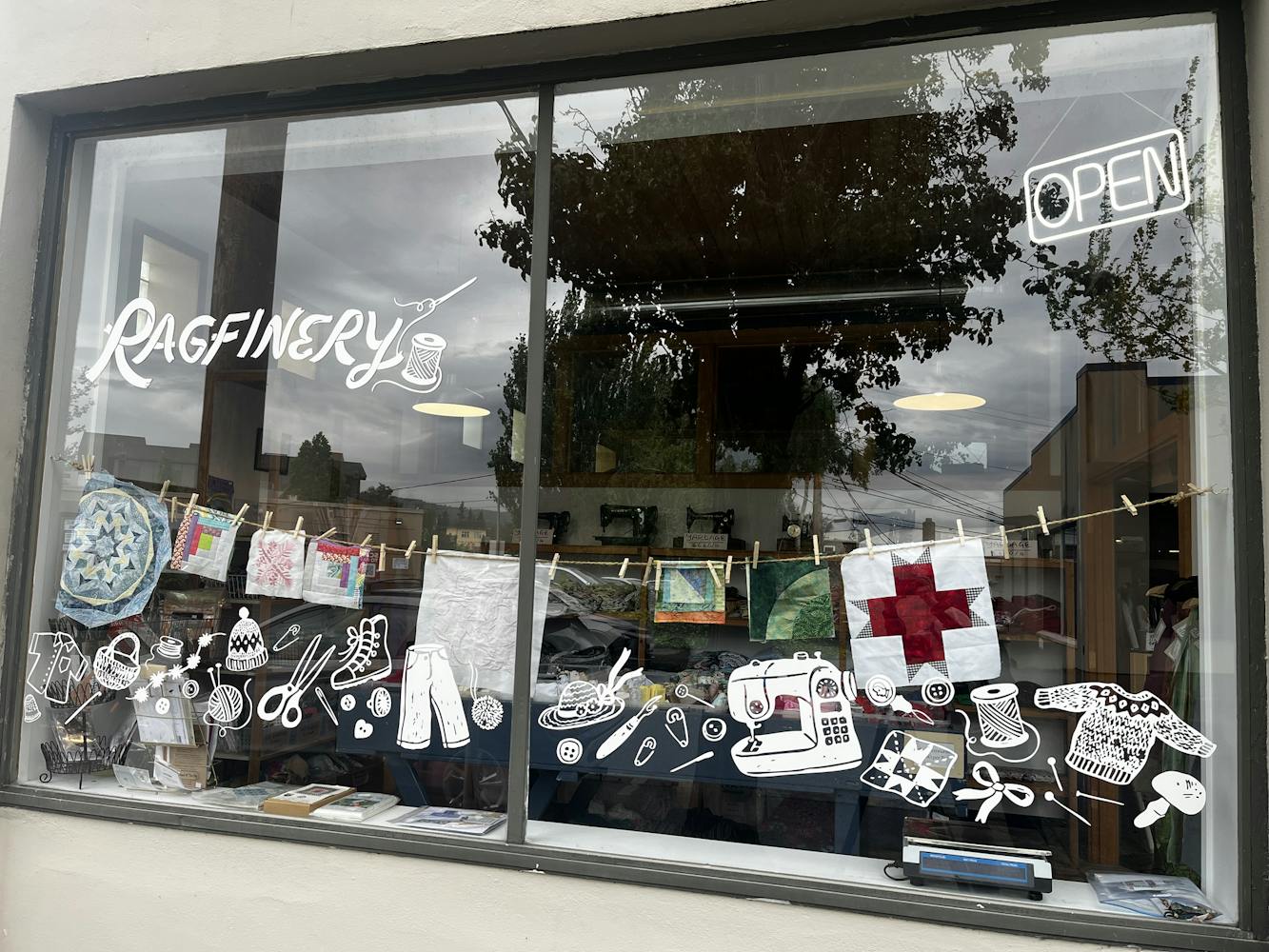
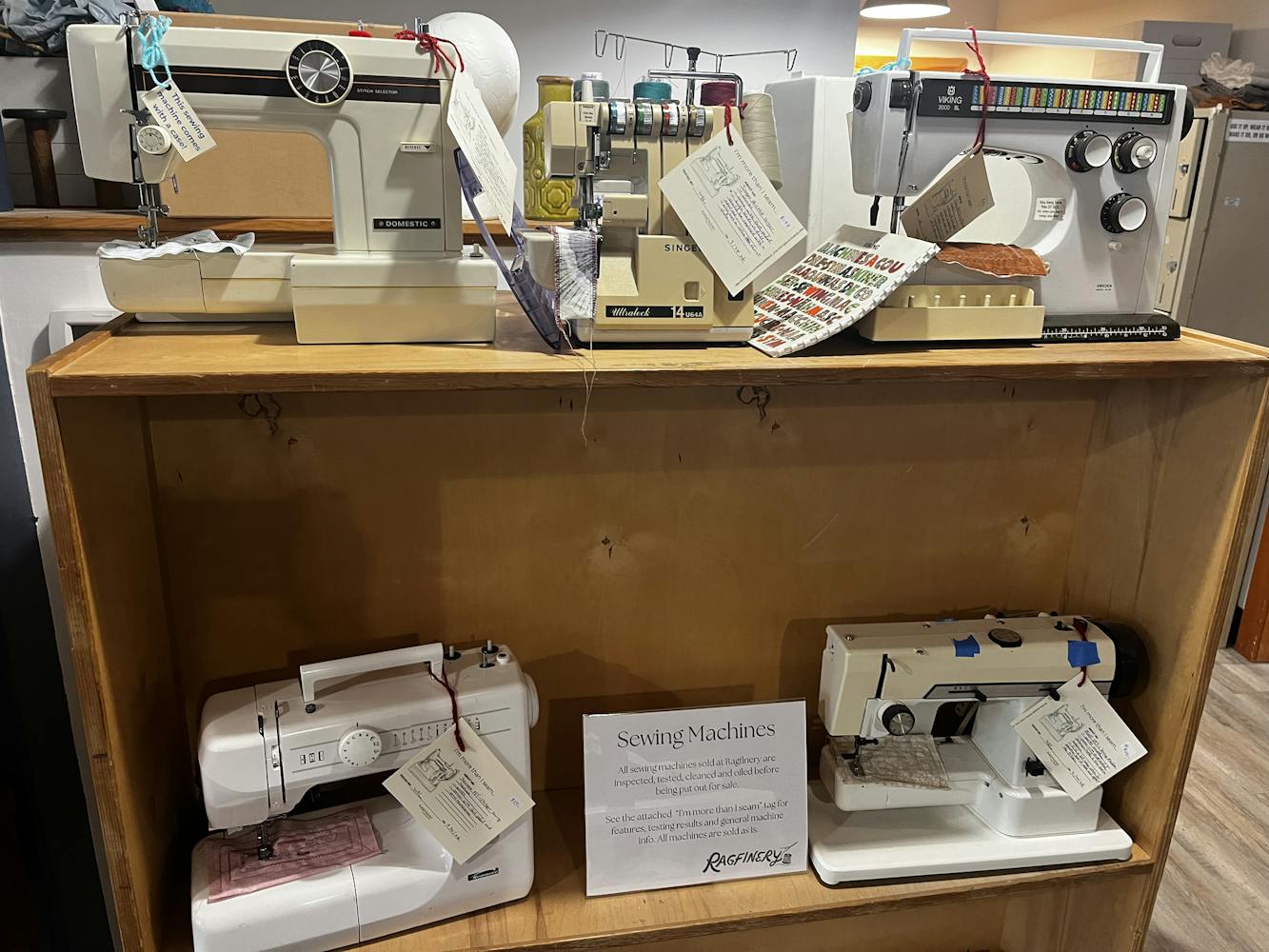
Ragfinery is a community hub for both cheap fabrics and sewing tools, and the class offers a way to get more years out of your clothes for every dollar spent. Those interested in participating can find more information about upcoming classes on their website.
Noah Hager (he/him) is a first-year reporter for The Front, undeclared, but with a pre-major in environmental journalism. When he’s not in the newsroom, you can find him enjoying a good game of Magic: The Gathering or the outdoors. With a multi-ethnic background, he loves food, both as a culture and as a chef. You can contact him at noahhager.thefront@gmail.com.