

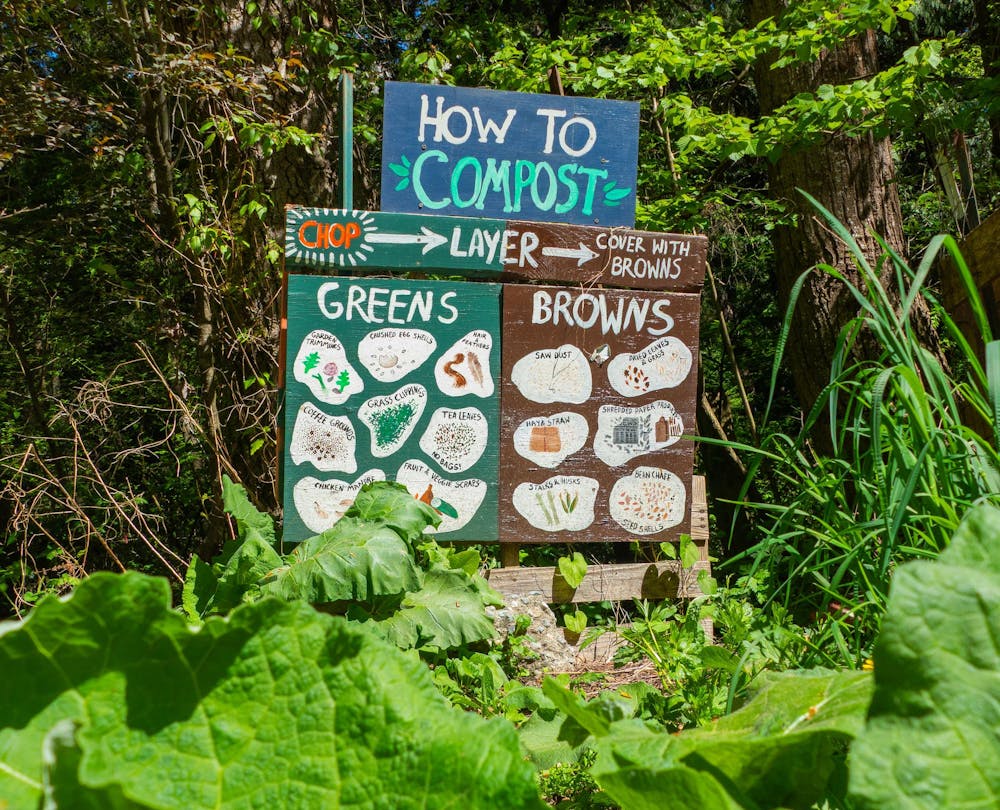
The Outback Farm is a community garden and learning space located between the Fairhaven Complex and Buchanan Towers dorms on Western Washington University's south campus. Since the early 1970s, the farm has provided learning opportunities for Western students and free food to those in need.
But keeping the farm and its employees funded has been a challenge over the last few years, explained Peter Pihos, Dean of Fairhaven College.
“University administration had to make a lot of hard choices, especially last year, about prioritizing the limited amount of dollars that we do have to ensure that we are really able to deliver the education that students come here for,” Pihos said.
Amid a roughly $23 million deficit in the university's budget, Western rolled out multiple budget cuts in 2025. This left programs like The Outback Farm unsure of whether or not they would receive the funding needed to continue operations.
“Not having that guarantee of ongoing funding makes it very hard to do sustainable planning,” Outback Farm Manager Terri Kempton said. “There's an irony there because we're working on creating sustainable futures for everyone, but we don't even know if we're going to have our system running as of September.”
Kempton assumes the vital role of Outback Farm manager. Without funding for this position, there would be no one to manage the employees or volunteers, and operations at the farm would grind to a halt.
But securing funding for this position has proven to be difficult.
“(The position) has never had a secure foothold in the form of a dedicated budget line in the state budget, and that’s the challenge,” Pihos said. “Ensuring that there is a source of funds attached to a particular outcome is really important, that's the challenge here.”
In January 2025, Western announced that it would not cut funding from The Outback Farm, citing its importance to the community and the university's educational mission.
But the university hasn’t yet clarified how much funding the farm will receive, when it will receive it or where the funding will come from.
This budget uncertainty has forced farm employees to look elsewhere for funding.
Earlier in 2026, The Outback Farm was awarded a grant from the Sustainability, Equity, & Justice Fund. The SEJF grants money to programs on campus that address issues related to protecting the environment, social justice and overall student well-being. Each full-time student pays $9 each quarter into the SEJF, and that money is granted to organizations on campus that promote the SEJF’s values.
In addition to the $30,000 from the SEJF, The Outback Farm raised $2,670 during Western’s Give Day. Pihos said he and the farm are tremendously grateful for it, but the farm still needs significantly more funding to fully fund the farm manager position.
The Outback also applied to fund half of the farm manager position through student activity fees. The Department Related Activities Committee uses that money to support on-campus programs which promote – among other things – distinct creative, intellectual, cognitive and social skillsets.
To whom the DRAC will grant funding has yet to be announced, but Pihos said that the DRAC is ranking The Outback Farm as one of its top priorities.
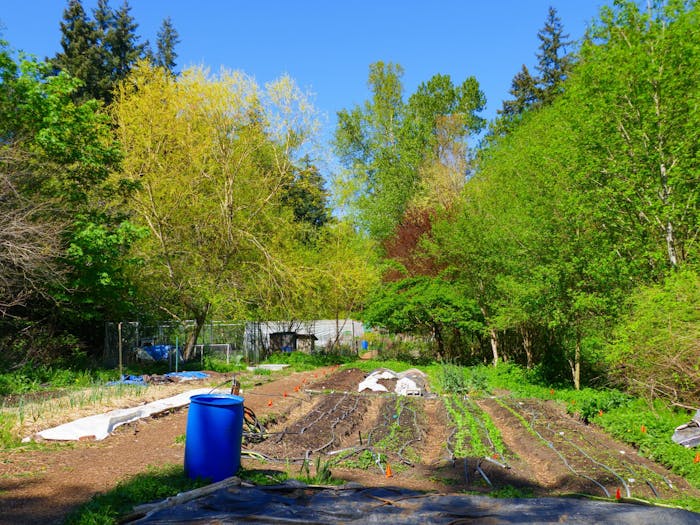
To Jennifer Martin, the Lummi Nation’s healing spirits garden caretaker, community gardens are about more than just food.
“Gardens are a great place to teach,” Martin said. “I love being able to work with people who previously didn’t think of themselves as a ‘plant person.’ After showing them how what they're seeing is relevant to them, you really start to see people essentially change their mind and value the plants around them more. That's really important.”
She said that the opportunity to grow a diverse range of food for people in need is a crucial aspect of community farms.
“We get to grow food for the people of Western for free. It feels kind of revolutionary,” fourth-year Fairhaven College student Marlee Maloy said.
She said The Outback Farm is the main reason she came to Western.
“College is really good at raising critical consciousness and expanding our intellectual capacities with theory. The Outback Farm, for me, is a place where I can actually apply those concepts and make it real,” she said.
Maloy came to Western in the fall of 2024. In June 2025, she was hired as the outback operations coordinator.
Maloy said she spends roughly 80% of her job teaching other people at work parties and whenever other people show up to help at the farm. Anyone is welcome at the work parties, which occur on Tuesdays from noon 2 p.m. and Wednesdays from 11 a.m. to 1 p.m.
Kempton recommended following The Outback’s Instagram to keep up with the happenings on the farm.
Nathaniel Nagel (he/him) is a reporter for the campus news beat. He is a third-year visual journalism major. This is his first quarter writing for The Front. Outside of school, Nathaniel can be found watching sunsets and spending time in the mountains, always with a camera (or two) in his hand. You can reach him at nathanielnagel.thefront@gmail.com.


