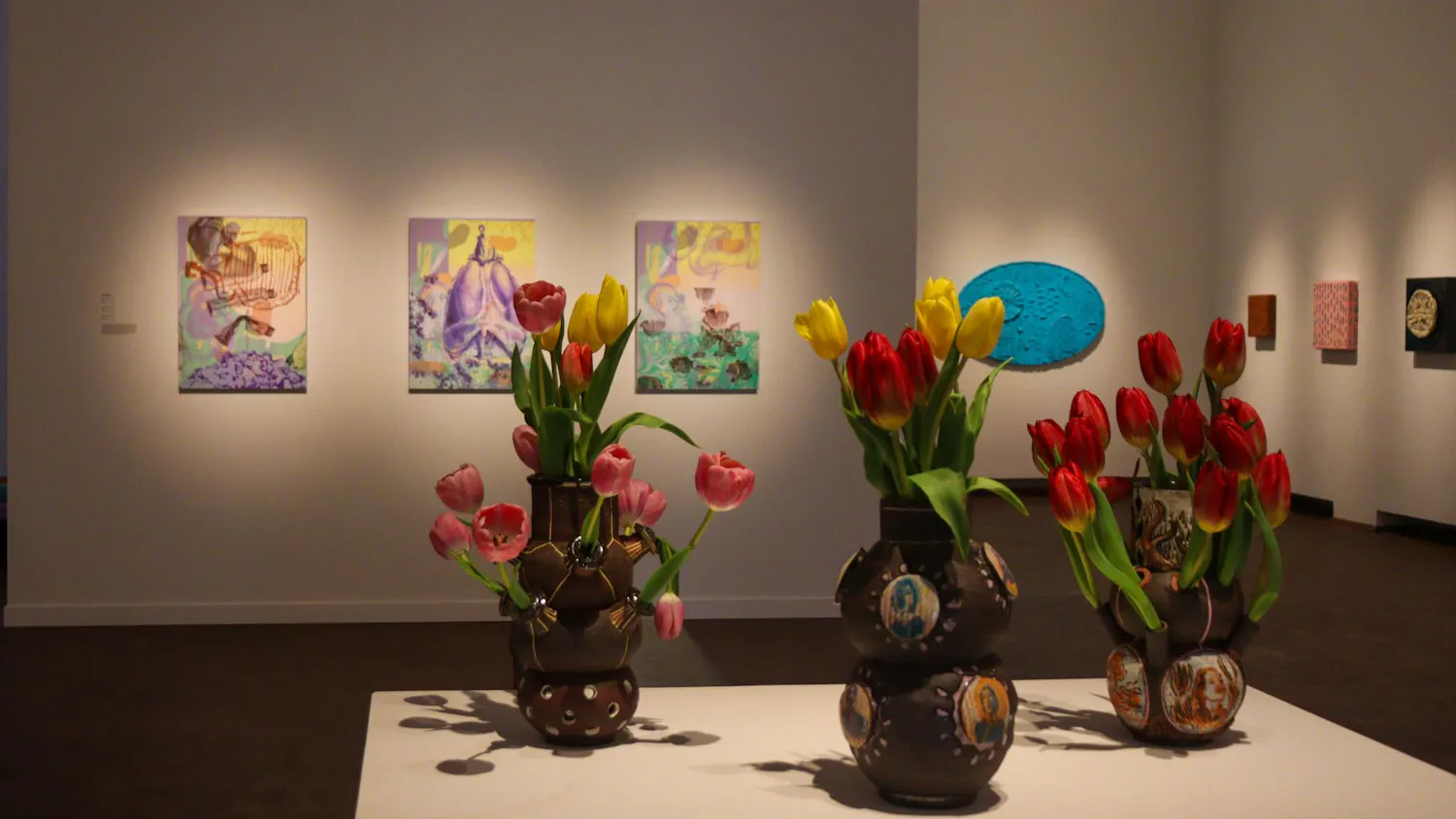

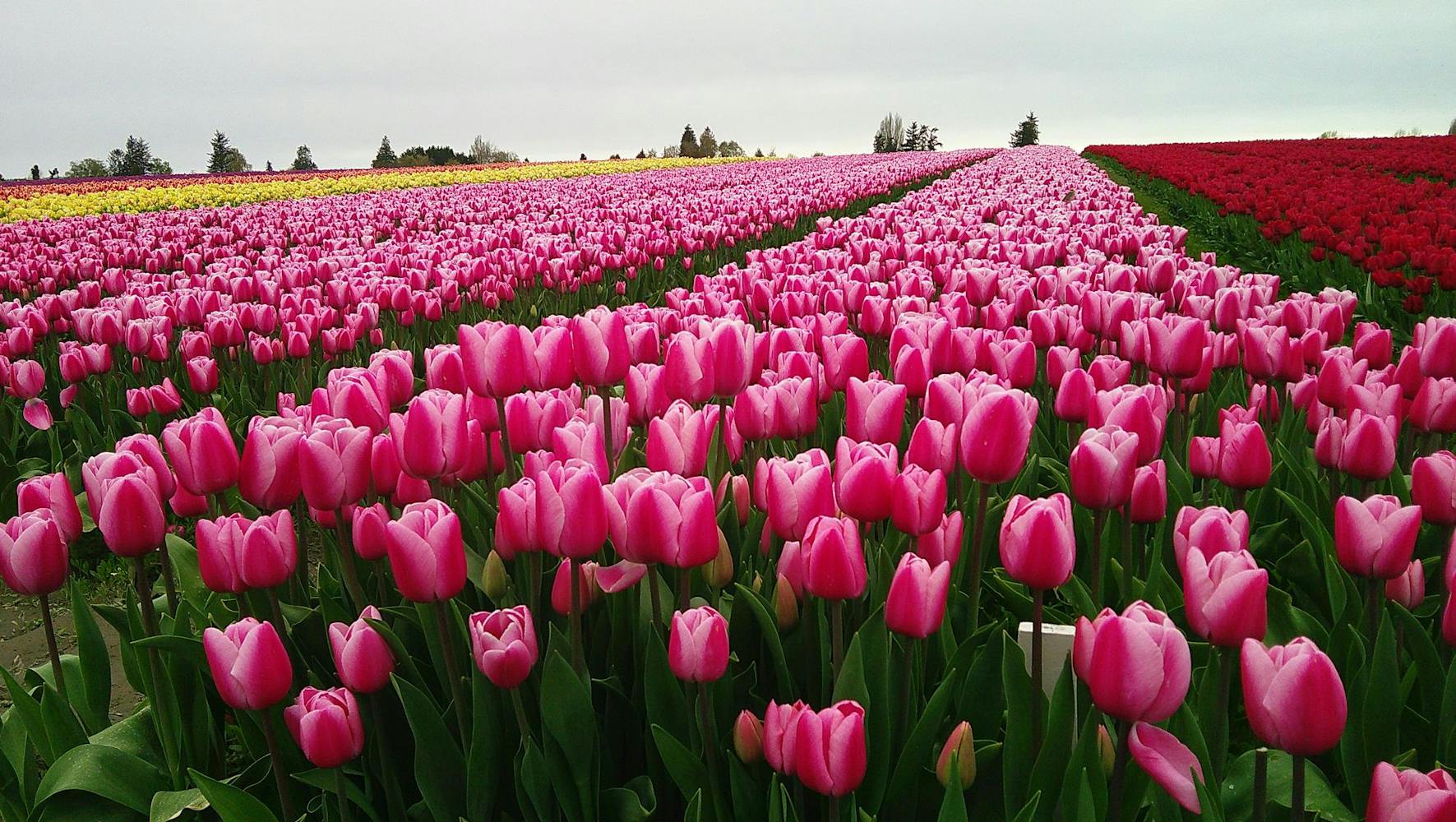
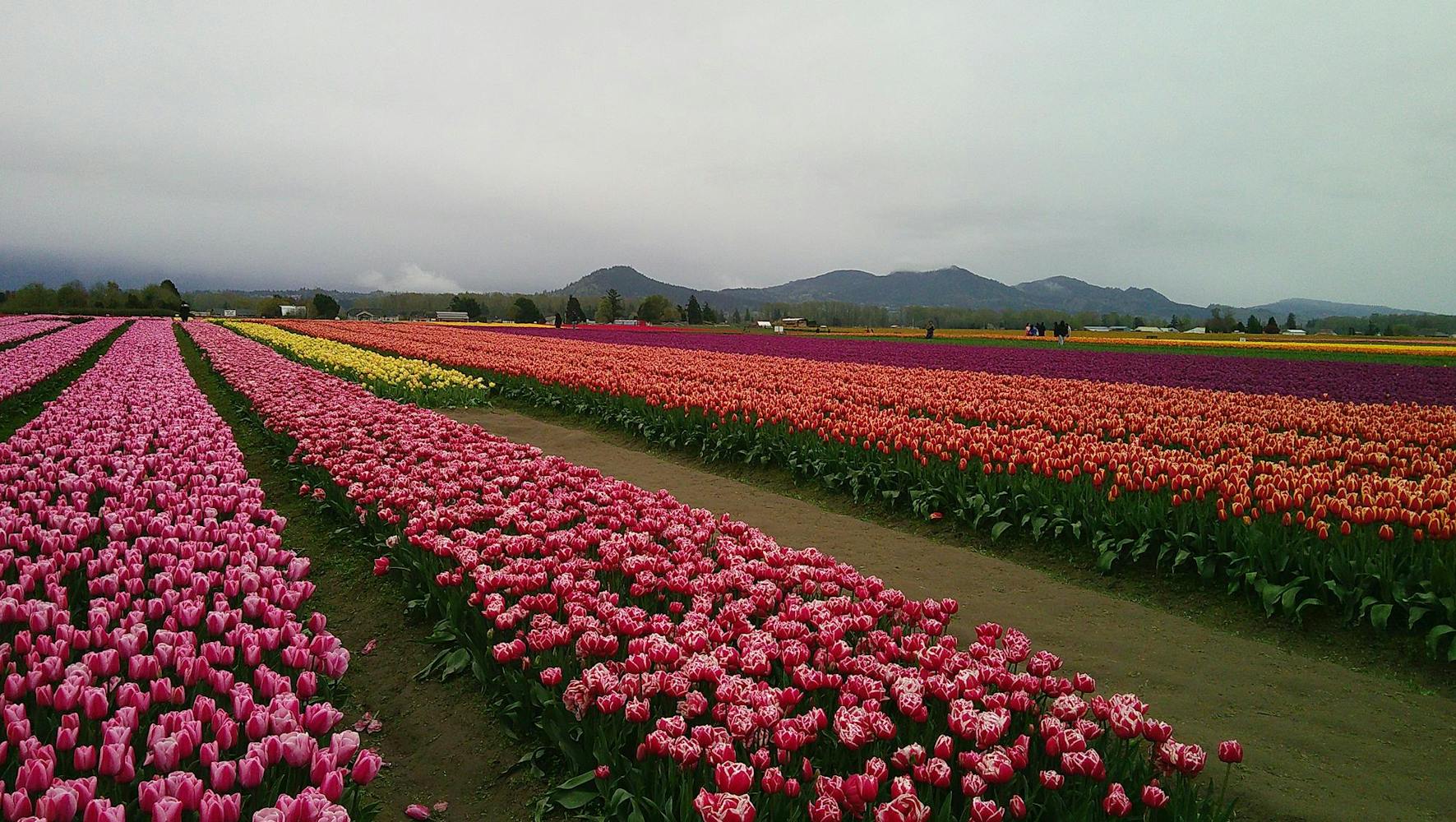
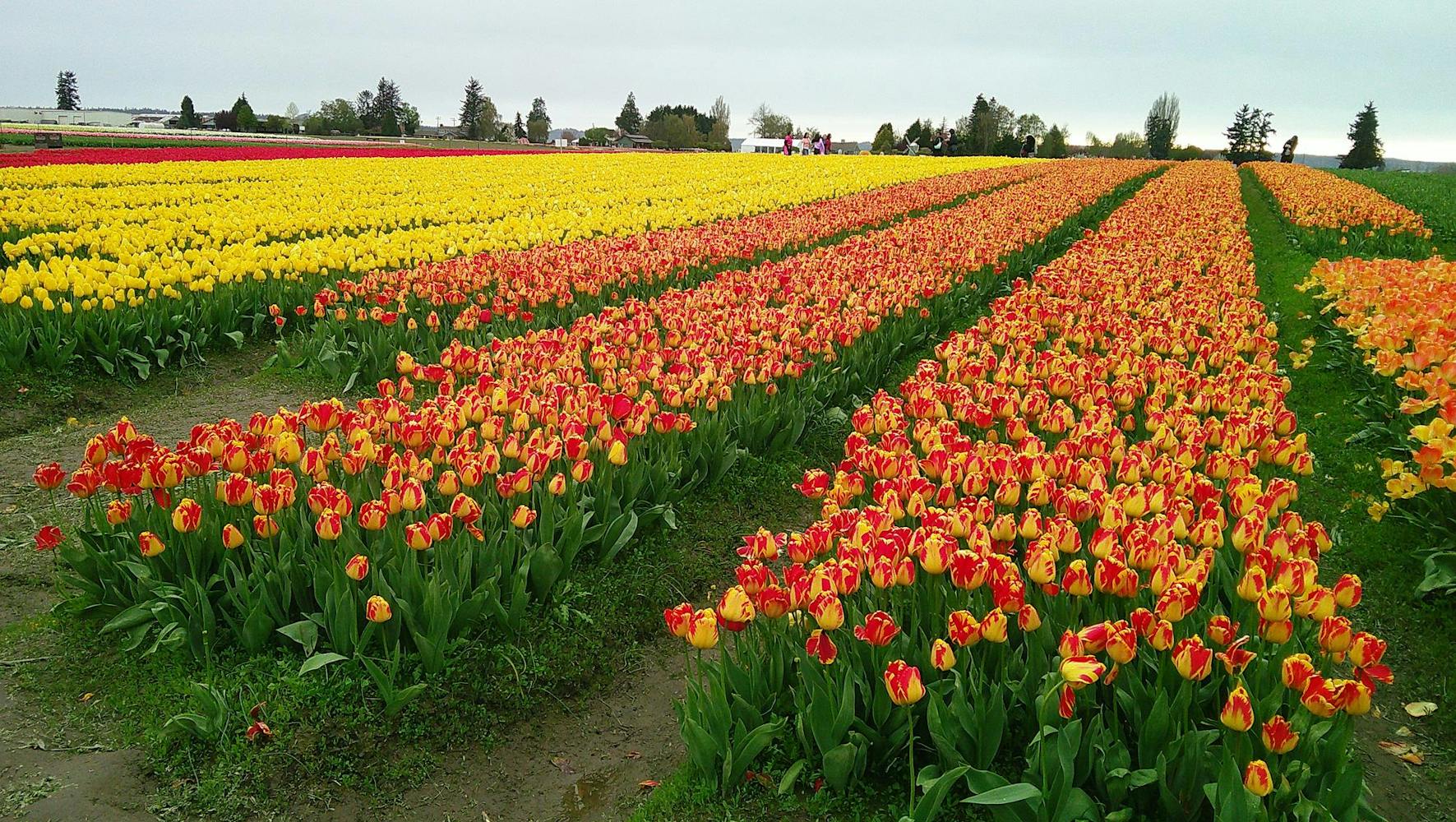
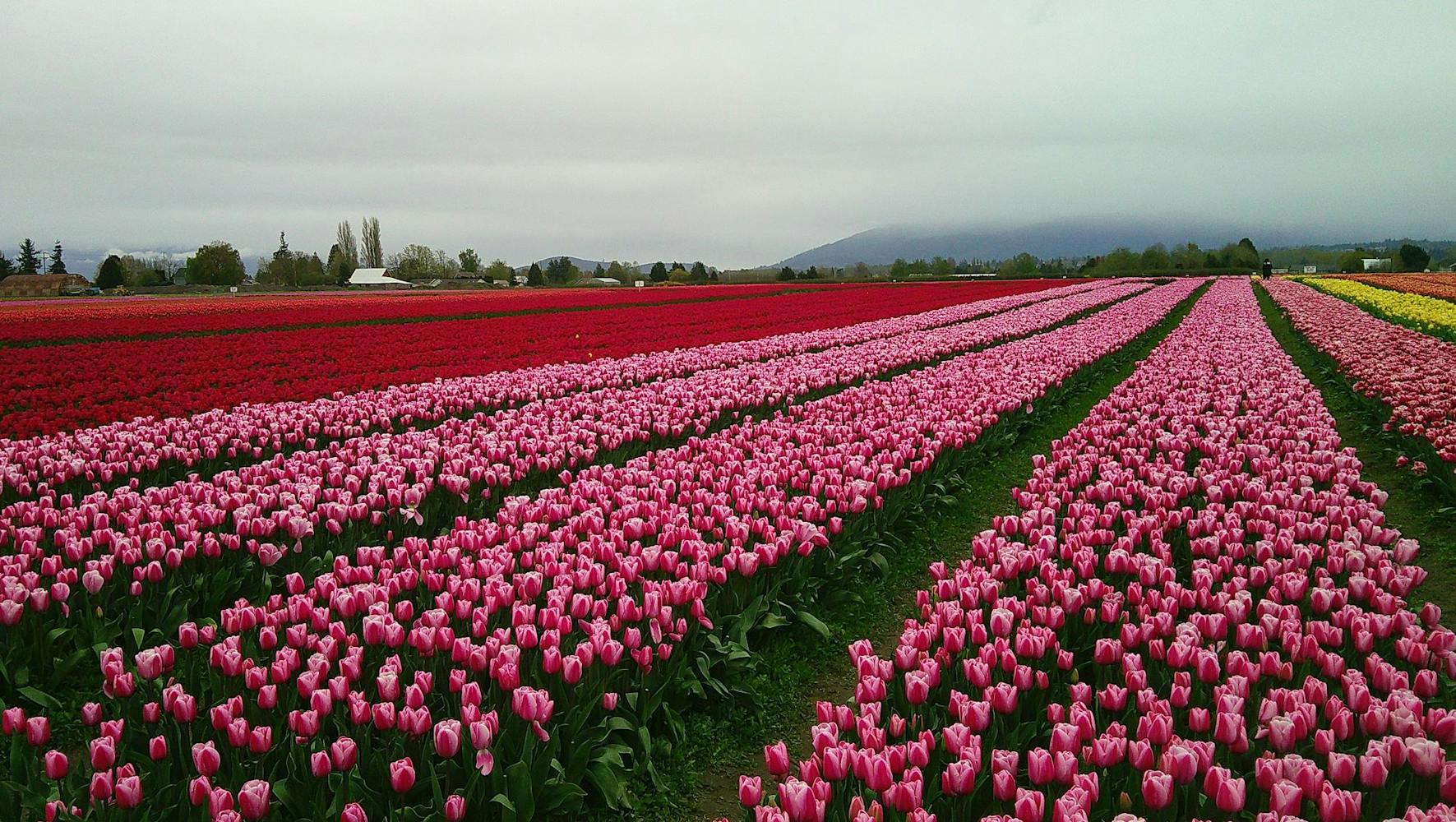
Just 30 minutes away from the twists and turns of Chuckanut Drive lies breathtaking fields of tulips. Countless rows of beautiful, brightly-colored flowers, just waiting for the sunshine season to finally arrive.
On March 28, 2026, the Skagit Valley Tulip Festival reopened for the season. This festival typically runs only in April, but due to a milder-than-normal winter and slightly warmer spring temperatures, the tulip fields opened early this year.
The festival brings in over 300,000 people from over 80 countries every year, according to the Bellingham Herald.
With tickets ranging from $19 to $23, depending on if visitors go during the work week or on the weekend, the Skagit Valley Tulip Festival brings in upwards of $5.7 million annually.
Although tulips aren’t native to the US, they were brought over in the 17th century by Dutch settlers, and had reached the PNW by the 1880s. They seemed to flourish here, with hot summers and harsh winters, similar to almost half of tulip species’ native climate of Central Asia.
Tulips are very particular, as they need a cooling period (called vernalization) in December and January, when temperatures are around 40 degrees Fahrenheit, to bloom to their full potential in March and April, according to RoozenGaarde’s website.
Tulips don’t bloom from seeds like many other leafy plants; they actually begin as bulbs. Once the soil begins to warm, roots start to grow from the bulb, and shoots begin reaching for light.
Plant growth has a lot to do with the health of the soil and the things in it, explained Western Washington University environmental science professor, Rebecca Bunn.
“Biota is the biological component of soil. Sometimes when we think about soil, we just think about the non-living parts, but there’s actually a whole bunch of organisms in the soil,” she said.
Both parts of the soil are very important. The non-living part needs enough space for oxygen and water, while the living part supplies nutrients and helps recycle the soil.
A lot of people who get swept up in the Tulipmania era don’t realize that tulips, like many other plants, are extremely specific and often hard to care for.
Andy Bunn, a Western Washington University environmental science professor, explained that a seed is a little capsule of energy. When that seed begins to grow into a plant, it needs the right amount of water, carbon dioxide and sunlight to grow.
“It takes a huge amount of work to get them to grow in those densities,” Bunn said. With thousands of tulips packed into orderly rows, the workload really adds up for farmers.
What many tulip field-goers don’t know is that tulips were once the world’s favored currency and even caused some economic upheaval. Because of Tulipmania, there was a market bubble, which is when prices soar based on speculation of value.
This occurred in Holland, Netherlands in the 1630s, when at one point tulip bulbs were more expensive than a waterside mansion, selling for 10,000 guilders or roughly $6,000.
In 1637, the bubble popped when buyers couldn’t pay the thousands they had promised to pay, and the tulip craze was over, according to Investopedia.
This led to a crash – when prices collapse because people can’t pay or think the item isn’t worth the price – called the Dutch Tulip Bulb Market Bubble.
As the public face of the Washington Bulb Company, the largest bulb grower in North America, the RoozenGaarde Tulip Garden grows around 30 million tulips each year.
However, the Washington Bulb Company is nowhere near the biggest tulip grower in the world. According to NASA, that title belongs to the Netherlands, which grows 4.2 billion tulips every year.
“When I picture it, I think of all the different colors, all the flowers, of all the people there. I think it’s awesome,” said Sierra Moran, a third-year Western student.
With only a few days left in April, the Skagit Valley Tulip Festival is nearing the end of its month-long season. Make sure to snag tulip tickets before the fields close and the tulips fade back into the soil, waiting for the next cycle to begin again.
Ryann Smith (she/her) is a city life reporter for The Front. She is a junior pursuing a major in public relations journalism with a minor in anthropology. In her free time, she is usually found reading at Boulevard Park or trying new ice cream flavors at Mallard. You can reach her at ryannsmith.thefront@gmail.com.