
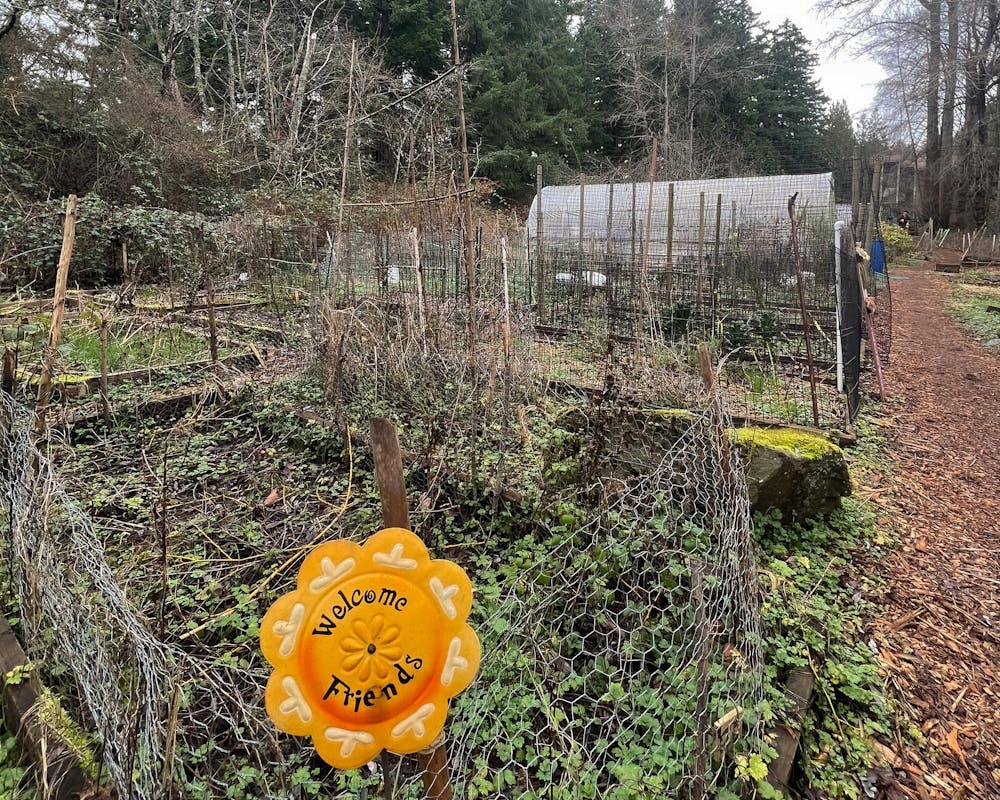
The Outback Farm at Western Washington University, a campus resource known for sustainable agriculture and community engagement, faces funding uncertainty as the university navigates a challenging budget.
John Tuxill, faculty advisor for the farm, said discussions with the Provost over the past years revolve around sustaining funding for the farm amid broader university budget constraints. As fall quarter ended, it became clear that securing those funds would be a challenge.
“The good news is the provost and the president have indicated they have no plans to cut funding for the farm,” Tuxill said. “But that’s different from actually identifying and having those funds available. Like a lot of areas on campus, we’re now trying to figure out how to fund the farm in a very difficult budget environment.”
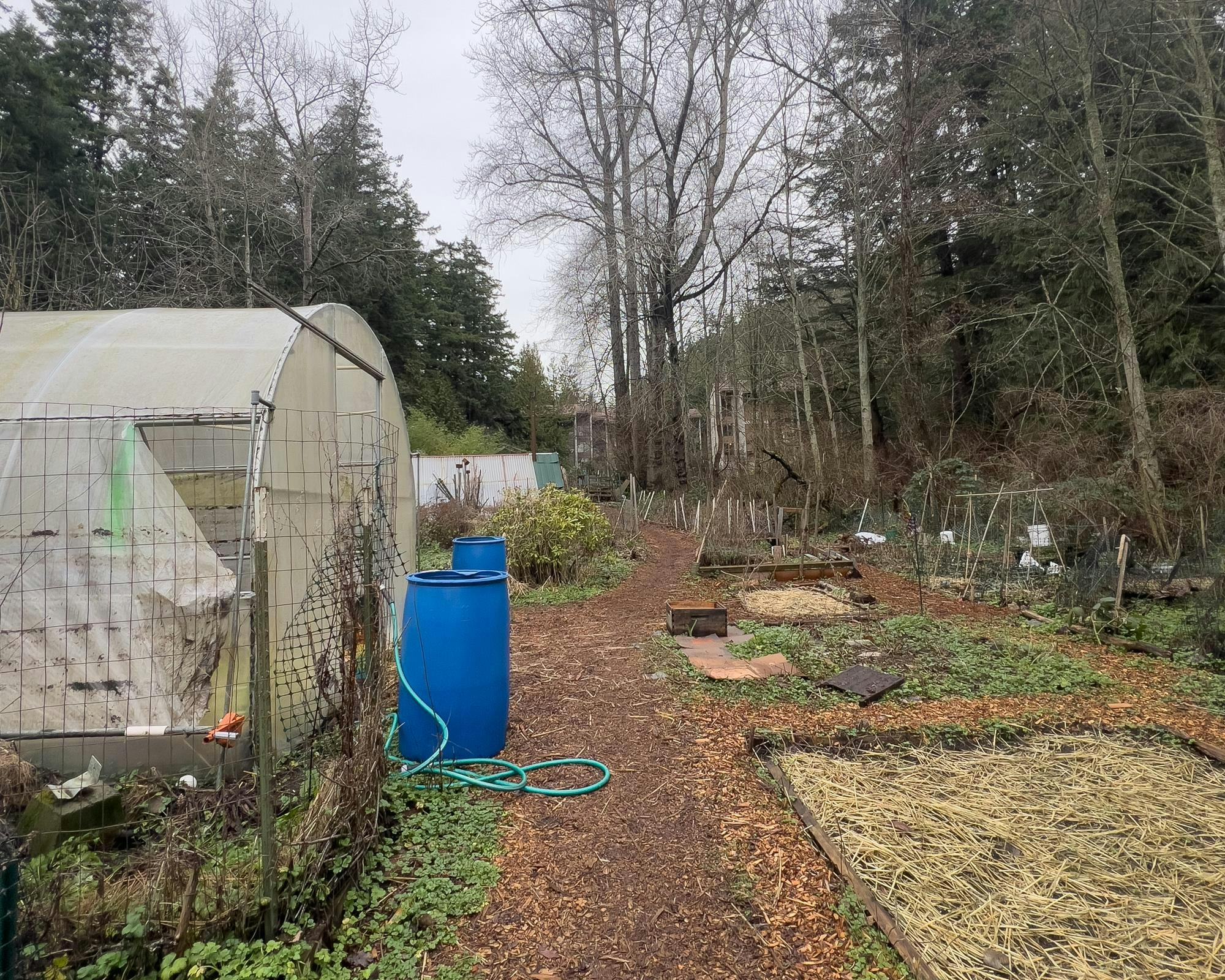
In the 2023–24 academic year, the farm served as a host site for a dry farming research project funded by the Dry Farming Institute. The project explored ways to maintain productivity while reducing water use.
“That grant helped support a lot of farm operations,” Tuxill said. “We look for opportunities like that wherever we can.”
The farm receives donations from alumni and is working with the Western Foundation to develop a formal fundraising campaign, potentially tied to a future campus Give Day. Additionally, Fairhaven College has received a promised bequest from alumni Don Schluter, which could eventually help stabilize some operational costs.
Despite these efforts, Tuxill emphasized that the farm’s most pressing challenge is funding its farm manager position.
Similar to the Outback farm, Evergreen State College has its own “Organic Farm” where students gain farming experience. Beth Leimbach, manager of the farm, says they get most of their financial support from produce harvested on-site that is sold to the community and the advancement department at the college, who looks for grants and works with donors.
When it comes to preparing for budget cuts, Leimbach refers to her former supervisors saying, “You don't do more with less, you do less with less.”
“We're not gonna spend as much, we're not gonna grow as much, we're not gonna feed as many people, we're not going to use as much land, we're not going to have as much in production,” Leimbach said.
Marlee Maloy, the Outback Farm’s student operations coordinator, said uncertainty around that position has created fear and instability among student workers.
“Without that role, we wouldn’t have jobs,” Maloy said. “There are so many backend operations that only the manager does. Losing that would mean losing our ability to tend the farm.”
Maloy said staff felt alarmed when they learned the position was not included in this year’s budget line, but that fear turned into collective action.
“It brought people together through a shared sense of duty, that was really beautiful,” Maloy said. “While working, people I've never met came in like ‘Hey it's my first time on the farm, I heard that you guys might not be getting funded and I'm wondering if there's anything I can do.’
In response, university leadership stated that the farm itself was not at risk, a message Maloy says conflicted with the implications of losing the manager position. Outback workers would like to clarify the discrepancy and emphasize the effects the loss of the position would have.
“I’m operating in good faith,” she said. “I feel hopeful that if they hear the outpouring of care from the community, they’ll understand how essential that role is.”
Beyond funding concerns, the farm continues to expand by hosting various classes, including courses focused on food justice that use the land as a hands-on learning site. During the summer, produce grown at the farm is distributed for free to students, addressing food insecurity on campus through mutual aid.
The Preservation Station, a grant-funded project, focuses on preserving leftover summer produce through dehydration and freeze-drying machines. The project partners with the Native American Student Union and will operate out of the forthcoming House of Healing longhouse near the farm, with equipment available for shared use.
“We want the project to live on beyond our tenure as students, we're figuring out how to work some of it into the job description of Outback farm workers,” Maloy said. “Beyond that it will be volunteers that would get food handlers license paid for by the grant and learn how to preserve through that process and be included in events all around campus.”
Karsin Hutchins is a 3rd year studying PR at Western. She is currently reporting for the campus news beat on The Front. Outside of school, she can be found working with kids at the CDC on campus, hiking outside or at the beach. You can reach her at karsinhutchins.thefront@gmail.com.