

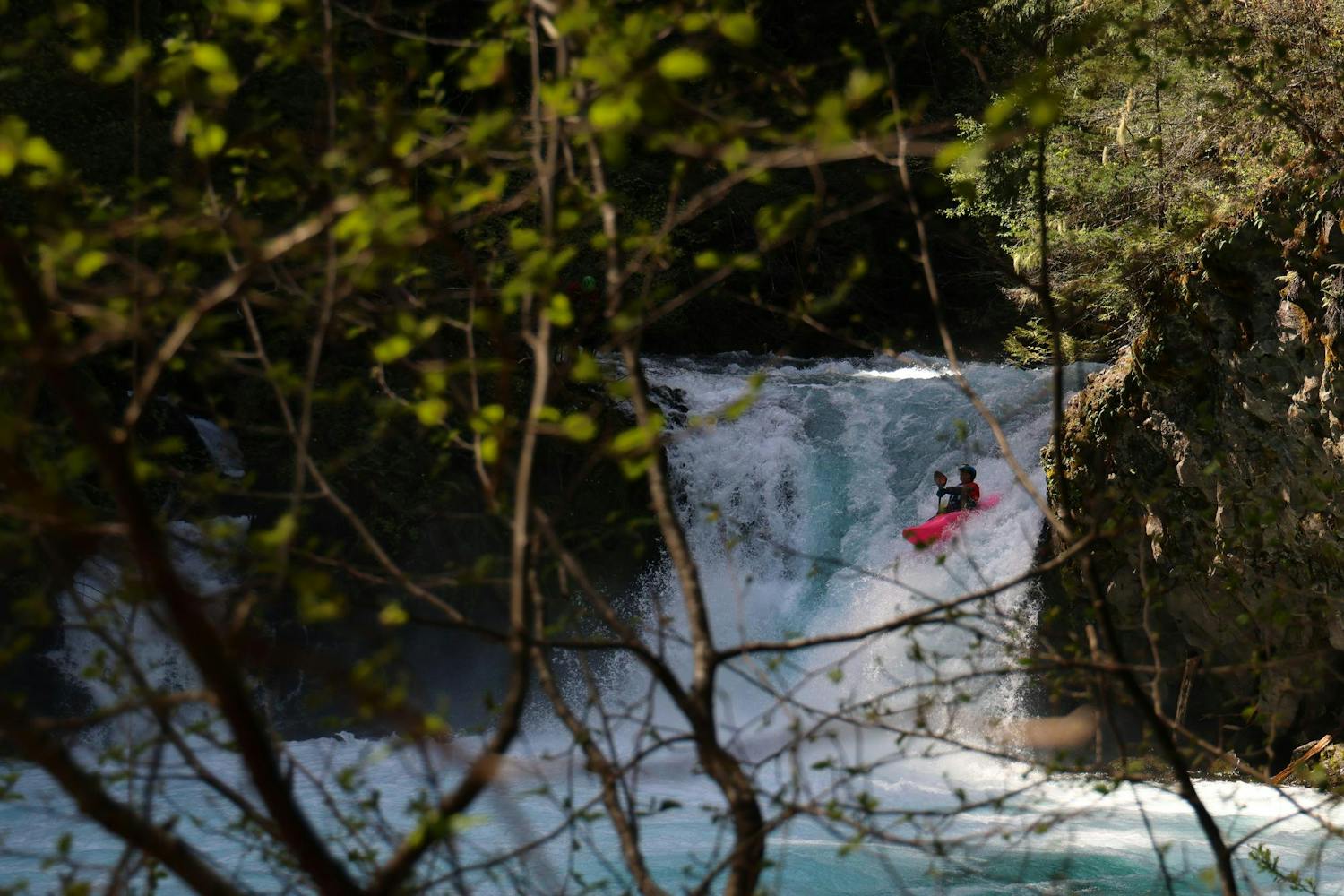
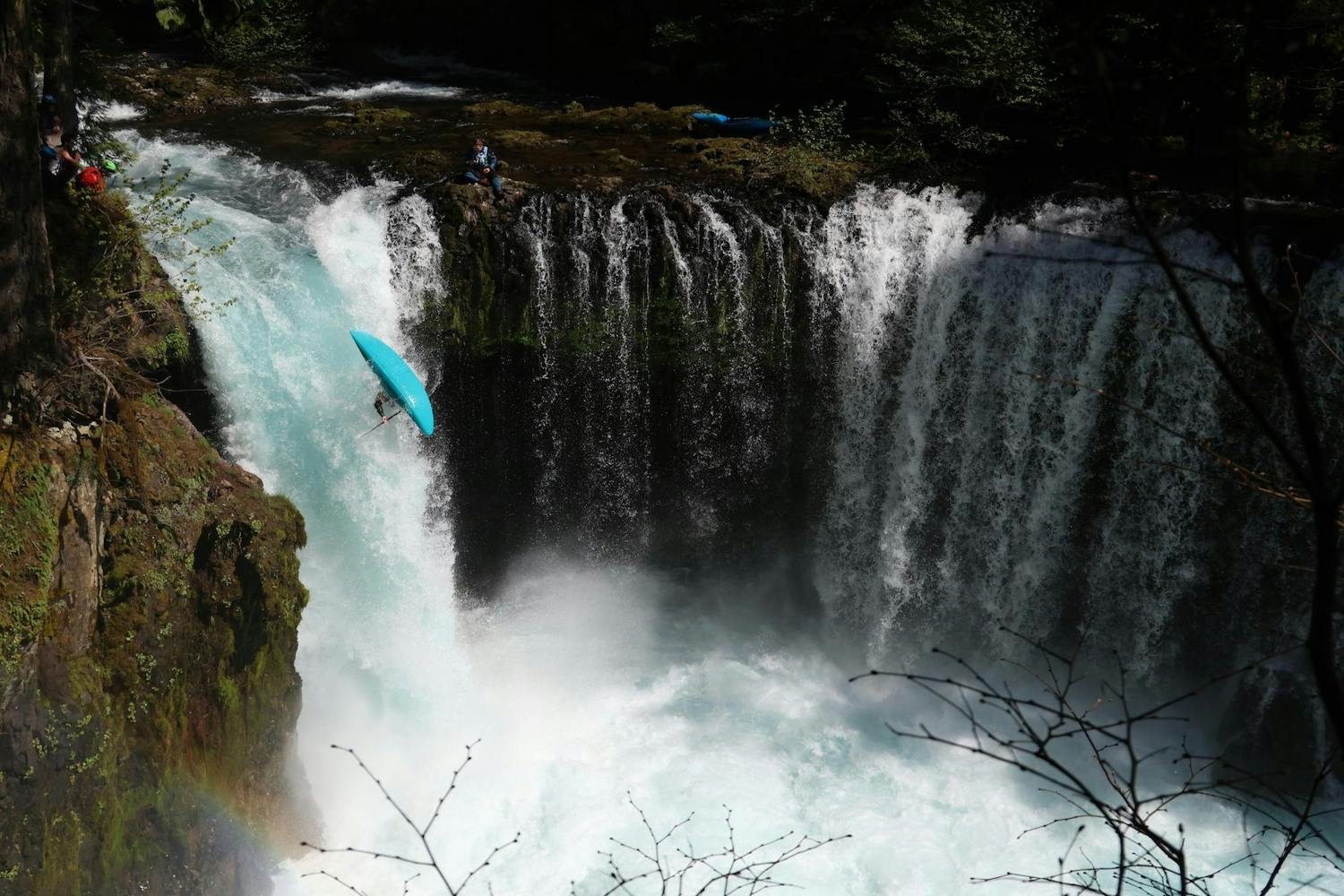
Every April, the roar of the Little White Salmon River is drowned out by cheers echoing from the canyon. Cars lined the shoulder of Cook-Underwood Road, near White Salmon, Wash., on April 18, as spectators and fans bushwhacked to the river. Within the lush, forested gorge, a roster of elite whitewater kayakers prepared to charge down miles of continuous rapids and waterfalls in the annual Little White Salmon Race.
“I think it's probably the largest – or at least one of the largest events in whitewater paddling,” said Will Henkel, a whitewater kayaker from Bellingham.
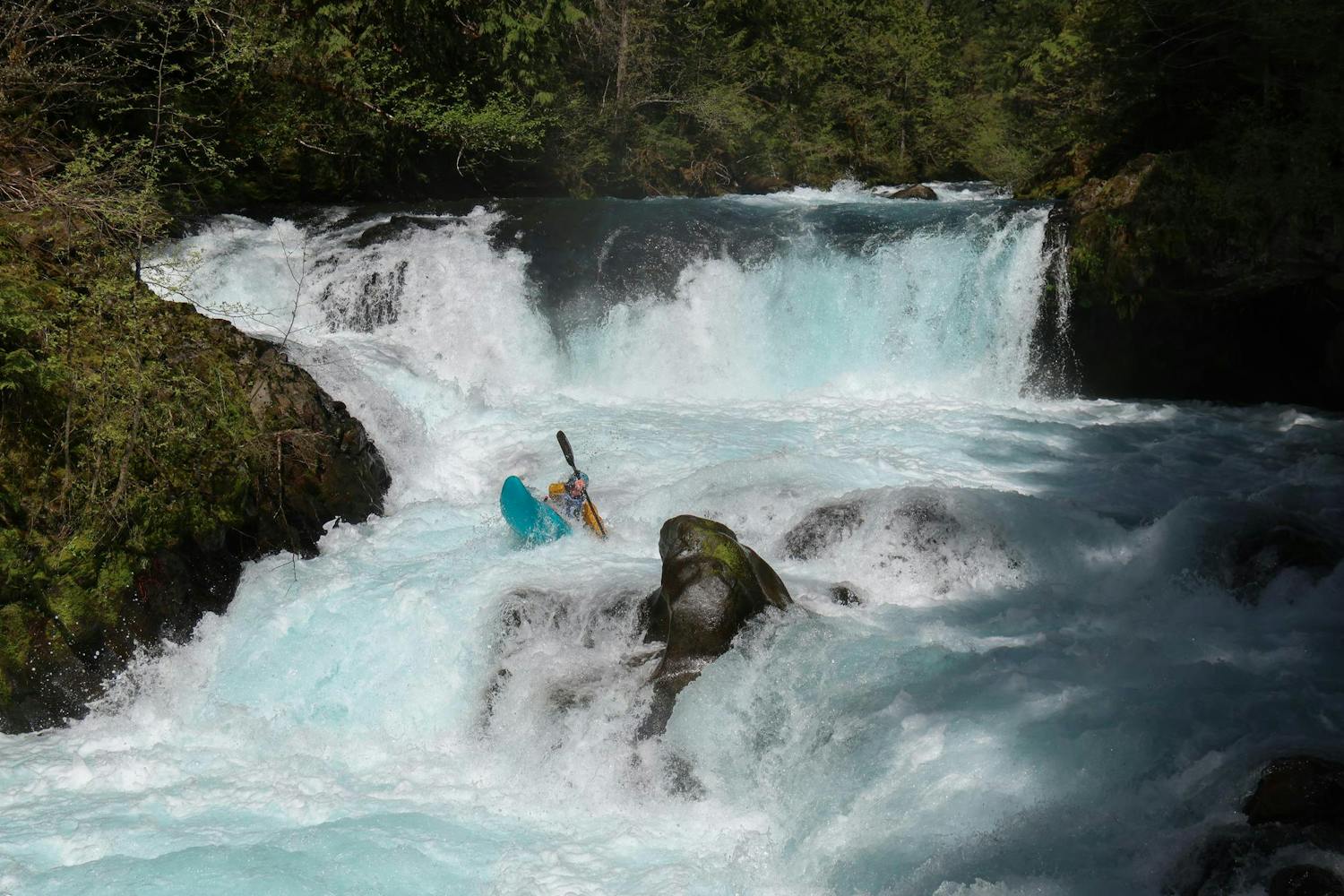
Paddlers are timed as they navigate 4.3 miles of nonstop Class V whitewater, including ledges, waterfalls and steep rapids. This year the race had over 100 competitors – the most in the history of the event.
“I think it rewards fitness in a way that other whitewater events don't,” said Geoff Calhoun, one of the race organizers. “There's definitely a skill component to running the rapids, but also the endurance component; the fact that the race is 14-15 minutes long and it's whitewater the whole way.”
The 2026 race took place on the weekend of April 18-19. Bellingham paddlers Driscoll Larrow, Will Henkel and Jack Grim traveled down to the Columbia River Gorge to participate.
On Saturday at 11:30 a.m., the launch point of the river was scattered with racers gearing up to paddle to the start gate. Kayaks of all colors were strewn across the sides of the road as the energetic chatter of the racers filled the air.
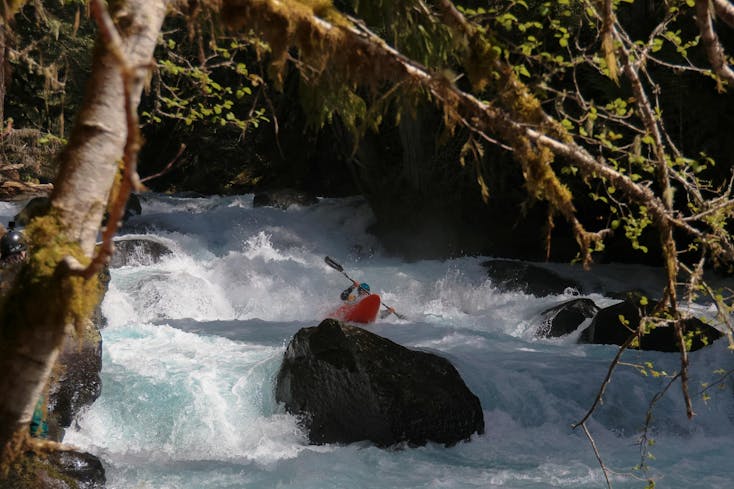
Larrow was up against strong competition in the longboat class. Paddlers from the Columbia River Gorge region have access to the river year-round, providing abundant training opportunities.
“If you're living here and you're doing laps every day, you're gonna have a pretty big advantage come race season,” Larrow said.
Larrow has competed in the race for the past four years. While he has placed in the top 10 three of the five times he has competed, racing is not his usual style of paddling. Larrow prefers pushing his limits on flooded rivers and large waterfalls.
“It's kind of a different mentality, and you kind of have to switch into a different mode of just trying to go as fast as you can,” Larrow said. “Usually when you're kayaking, you're not really focused on trying to get down the river quickly, you're just focused on trying to do it with some style and safely.”
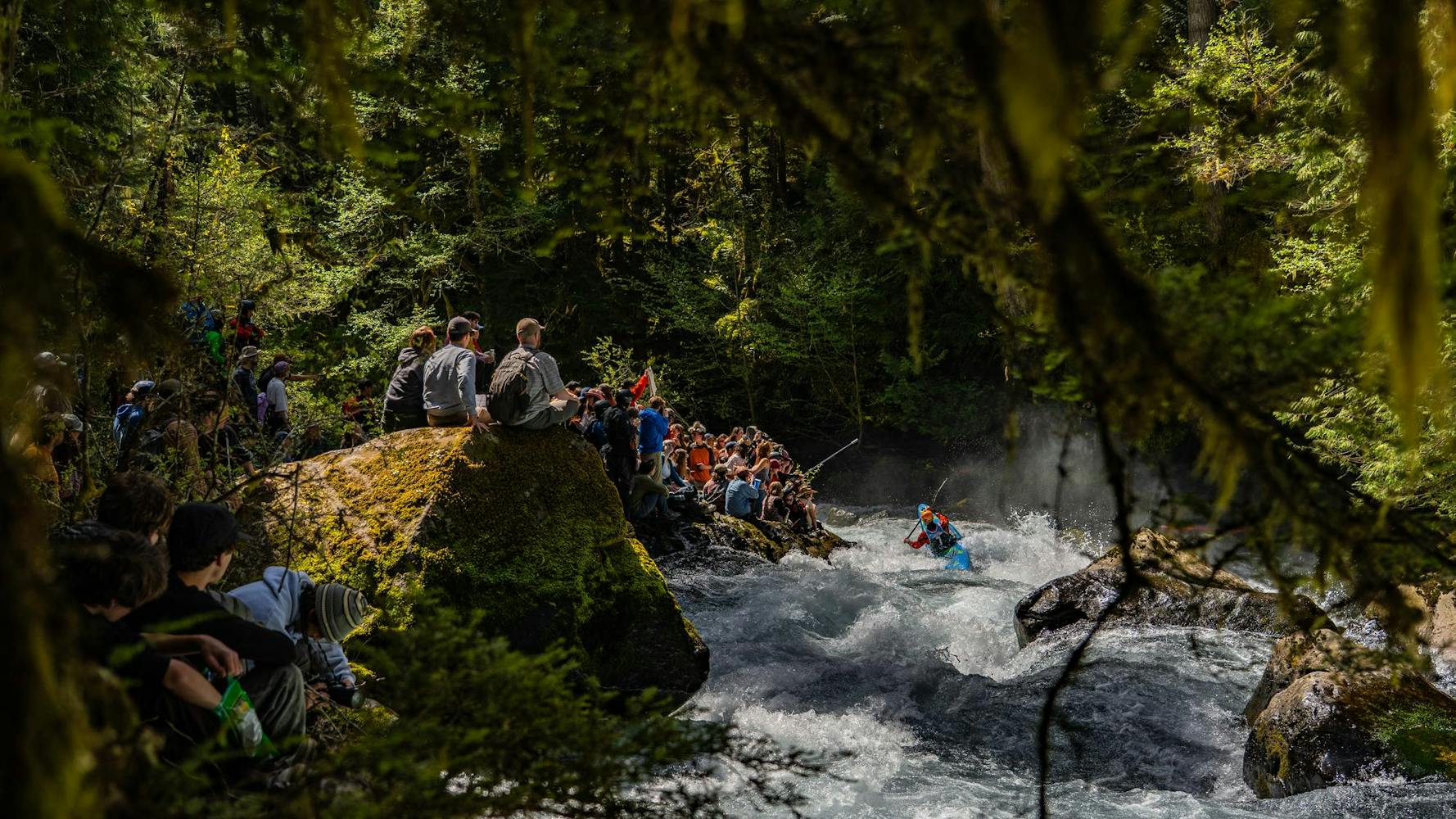
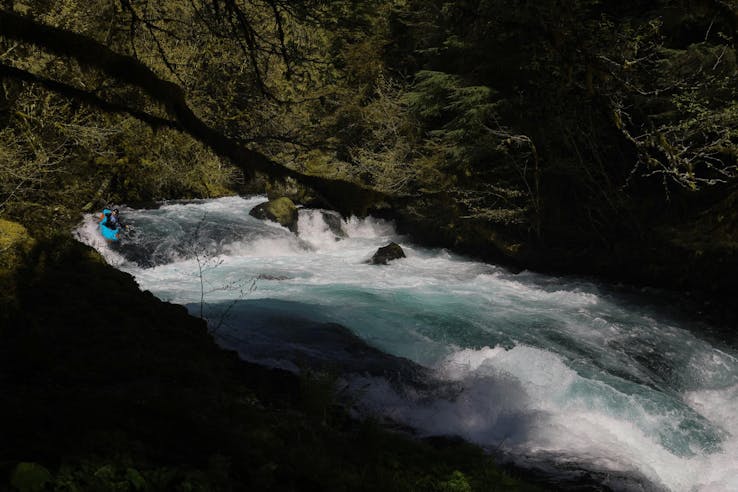
The river runs through a deep gorge that isn’t easily accessible on foot, making the event difficult to watch. The only place where the riverbank is filled with cheering fans is a viewpoint near Boulder Sluice, a feature at the end of the rapid, Gettin’ Busy.
Spectators at Boulder Sluice are given a short glimpse of what the racers undertake on their 15-minute run down the river. Besides safety crews, racers are on their own as they navigate the nonstop whitewater until the finish line.
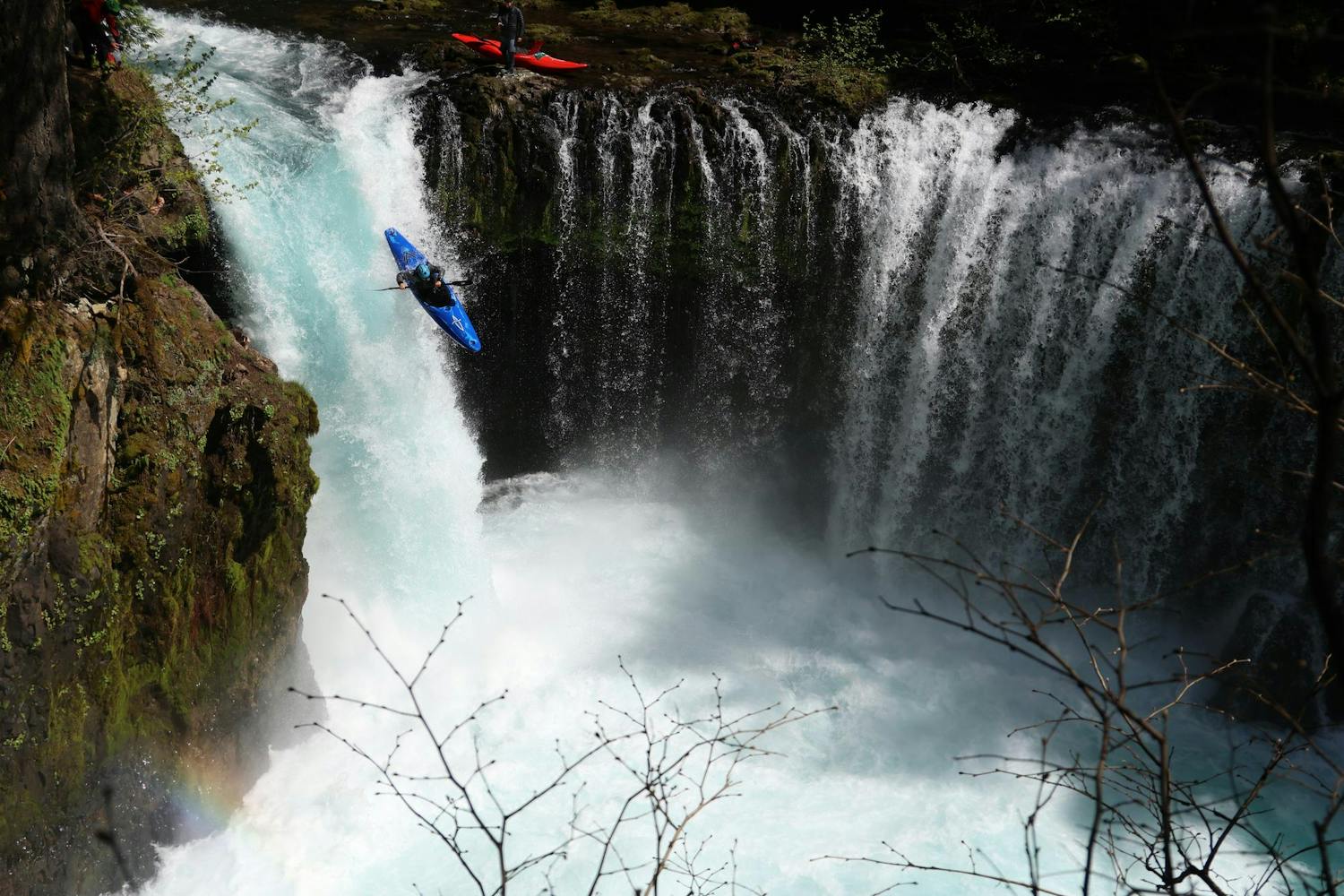
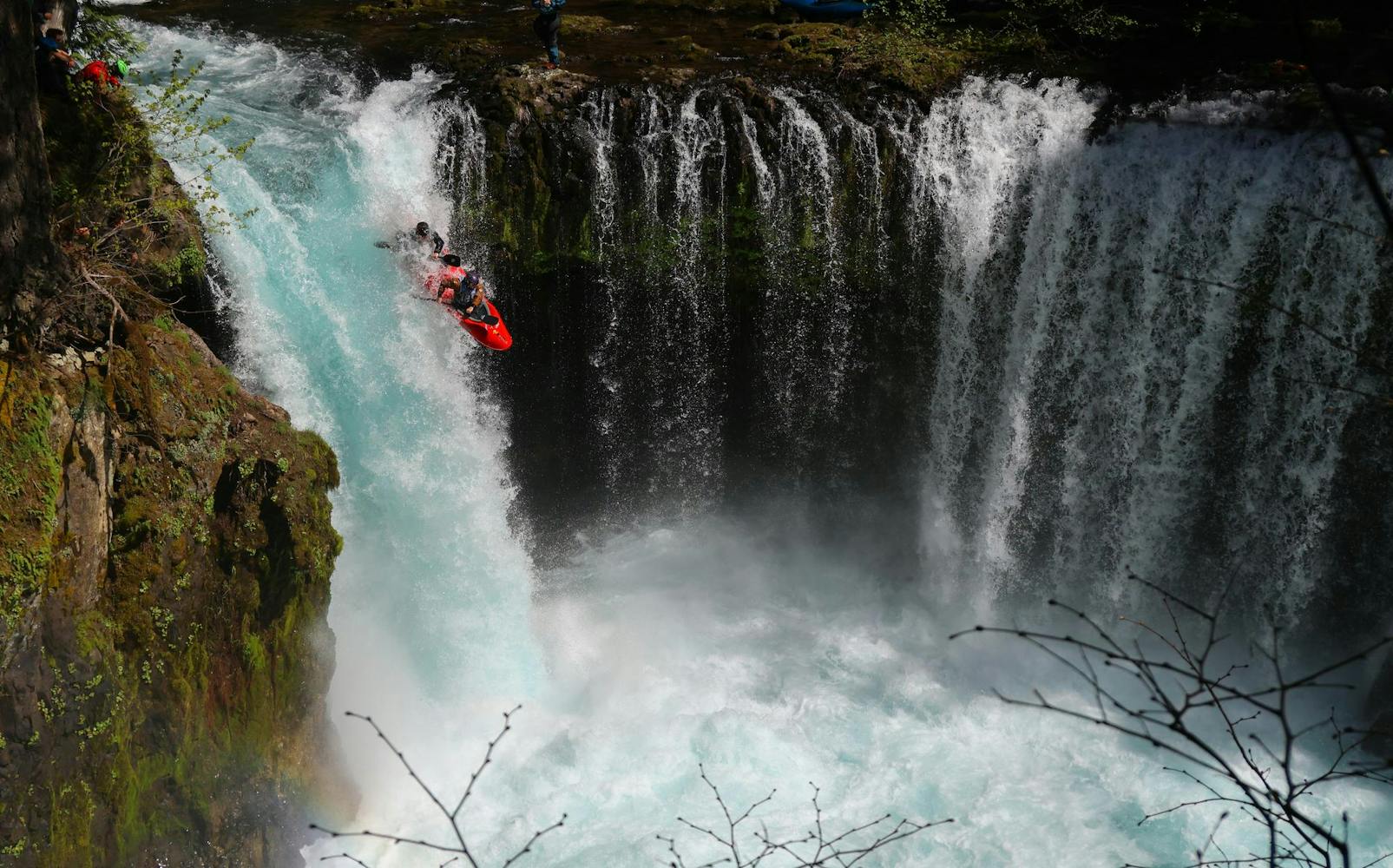
After the last rapid – a waterfall known as Wishbone – it’s a full sprint to get across the pool as fast as possible. Still deep within the gorge, only kayakers are waiting at the finish line. Kayaks are stacked precariously along the riverbank, making room for exhausted racers to relax under an overhanging cliff wall.
After the competition, racers and spectators drove an hour north to Trout Lake, Wash., for the awards ceremony. Hundreds of people arrived to celebrate the Little White Salmon Race and the whitewater community.
“It's one of the only nights that I see all of my friends in the same place, and it's kind of mind blowing. When you see them all together, you realize how many people are here,” said Evan Garcia, a professional whitewater kayaker from Bozeman, Mont.
After raffling off several kayaks, gear and artwork, the winners were announced. Isaac Hull, a paddler from Richmond, Va., prevailed as the winner of the men's longboat category.
“To put it lightly, he's a savage. Isaac is probably one of the best kayakers in the world, if not the best right now,” said Larrow.
When reflecting on his victory, Hull took a sip of champagne from his plastic trophy and said, “You know, I'm just glad I went kayaking all winter, and now I can just smoke cigarettes and not worry about this whole race thing.”
“This river is so unique and so quality that it's worthy of having a race, and also worthy of celebrating,” said Henkel, a Western Washington University graduate student. “It just brings people together in such a unique way around such a powerful, beautiful place.”
Zander Ulmer (he/him) is a sports and recreation senior reporter for The Front this quarter. He is in his third year at Western, majoring in visual journalism. When he is not reporting, you can find him skiing up at Mount Baker or kayaking down the Nooksack River. You can reach him at zanderulmer.thefront@gmail.com.


