
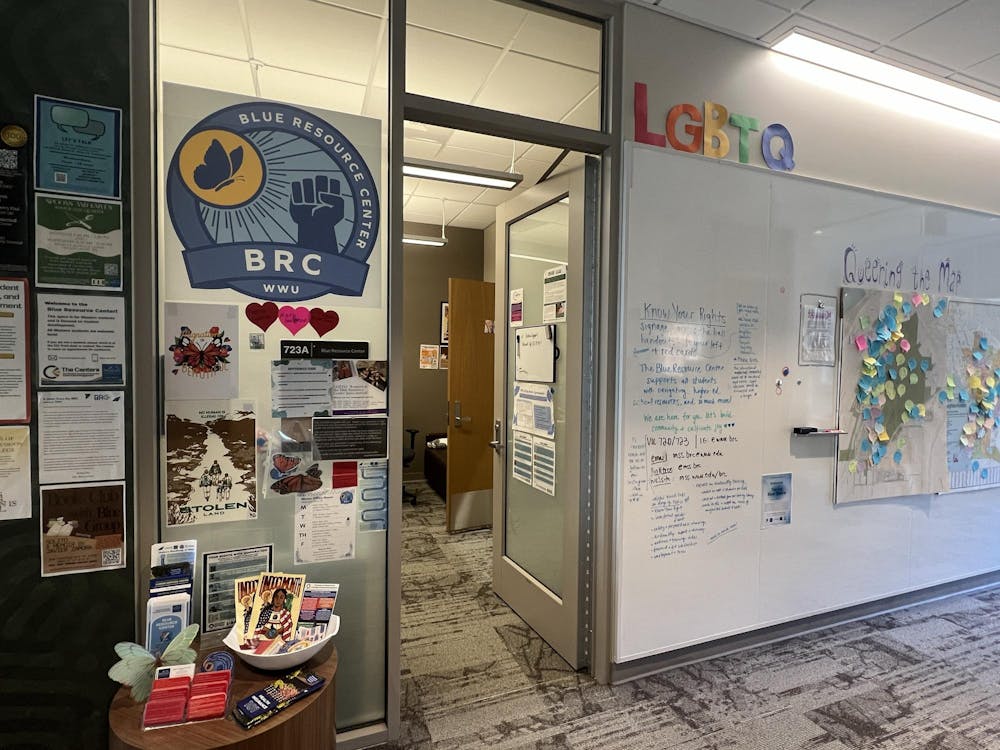
As immigration enforcement activity increases across Washington state, staff at Western Washington University are working to clarify what students should know and what the university is doing if federal agents come to campus.
Three faculty members of Western weighed in on the best strategies and resources to turn to in response to the potential chance of immigration enforcement coming to campus, aiming to help reduce fear and protect students across campus.
What is the most important step students can take right now?
Take a “Know Your Rights” training.
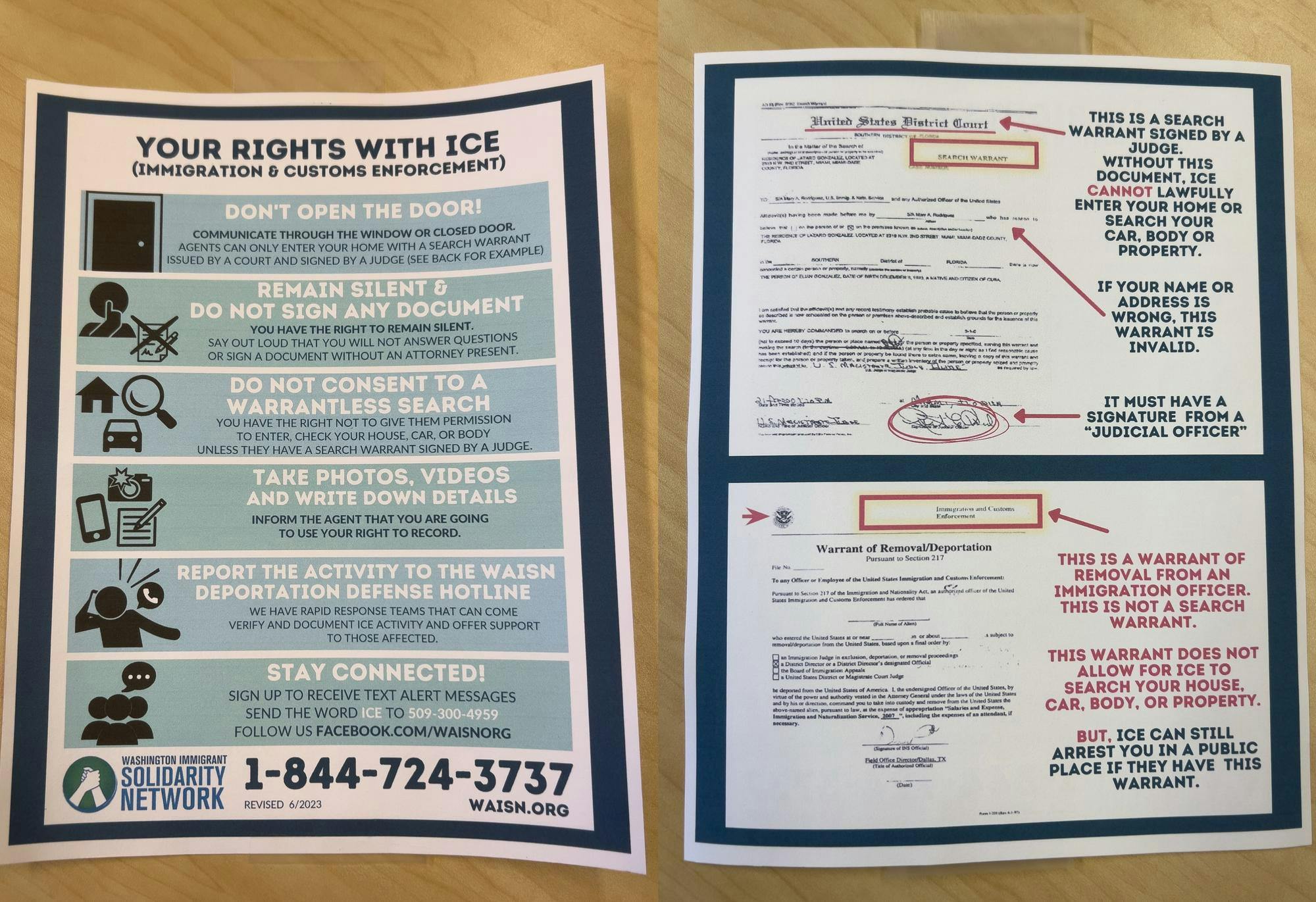
Lourdes Gutierrez Najera, chair of ethnic studies at Western said that understanding the difference between a judicial warrant and an administrative ICE warrant is critical.
“Being able to recognize the two is really important,” she said. “The fear isn’t just about being in class. It’s also about what happens if immigration enforcement shows up on campus, or at your home.”
Lourdes encourages students to learn their constitutional protections under the Fourth, Fifth and 14th Amendments. That includes the right to be protected against unlawful searches and seizures and the right not to sign documents without legal representation.
“Knowledge gives you a sense of security,” she said. “It helps you respond — and it helps you protect not only yourself, but others around you.”
What should students do if ICE is on campus?
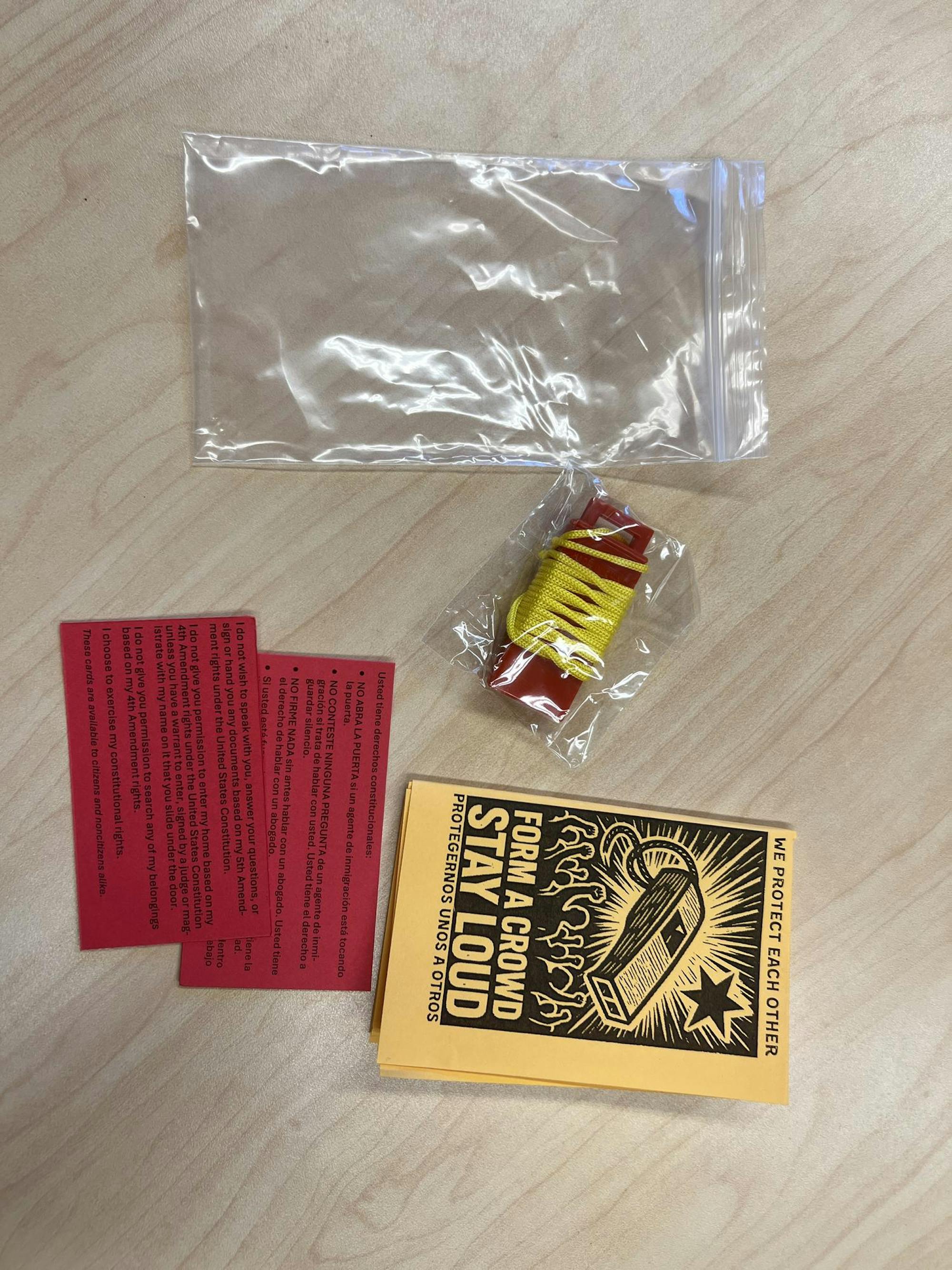
Document, but don’t interfere. Students have the right to record law enforcement activity in public spaces, Lourdes said, as long as they do not obstruct officers. That includes recording agents, vehicles, license plates and the sequence of events.
“Knowing what to document and where to send the documentation matters,” she said.
She recommends sharing documentation with trusted organizations such as the American Civil Liberties Union (ACLU) or regional advocacy groups so that records can be preserved for potential legal challenges in the future.
“Even if accountability feels questionable right now, documentation creates the possibility for change later,” she said.
Is the university developing formal protocols?
Lourdes believes campus-wide, systematic training is essential.
“When there’s a fire drill, everyone knows what to do,” she said. “We need the same clarity if ICE comes to campus.”
Lourdes hosts broader trainings on campus for faculty and staff that are also open to students, including allies who can help document and support those directly impacted.
Dean of Libraries Madeline Kelly said the university library has been developing a detailed response plan since last year.
A key focus has been identifying which spaces are public and which are private. Public spaces, such as open study areas and book stacks, are accessible to law enforcement. Private areas, including offices and study rooms, are clearly marked and subject to stricter access requirements.
“We’ve labeled all of our spaces,” Kelly said. “If they’re private, the signage indicates that.”
The library has developed internal maps distinguishing public and private areas. Once finalized, those maps will be available at service points to guide any responding officers. Staff trainings are planned before spring quarter, with specialized sessions for front-line employees and managers.
“If something were to happen, we don’t want staff or students to feel caught off guard,” Kelly said.
What authority does ICE have on campus?
Katy Potts, chief of campus police, said federal law enforcement agencies may enter public spaces on campus.
If ICE presents a warrant for non-public spaces, University Police, in consultation with the state Attorney General’s Office, would review whether it is administrative or criminal.
“As required by law, police officers in Washington do not and will not assist in immigration enforcement,” Potts said.
University Police cannot prevent ICE from carrying out a lawful warrant, she said, but they will not assist with immigration enforcement actions. Their role is to ensure safety, document events and follow up with impacted students.
If students encounter ICE on campus, Potts advises calling 911 immediately so University Police can respond and verify the situation.
What other resources are available?
The university’s Office of Equity has published an Immigration Enforcement FAQ, and information is available through the Western Safe app. Potts also encourages students to reach out directly.
“My door is always open,” she said. “Sometimes a direct conversation with a campus law enforcement leader can ease anxiety and build trust.”
Lourdes agrees that education and preparedness, including organizing important documents, identifying trusted contacts and understanding state laws such as the REAL ID Act are critical.
“Mutual aid becomes very important,” she said. “By protecting our community, we are also protecting ourselves.”
Karsin Hutchins is a 3rd year studying PR at Western. She is currently reporting for the campus news beat on The Front. Outside of school, she can be found working with kids at the CDC on campus, hiking outside or at the beach. You can reach her at karsinhutchins.thefront@gmail.com.