
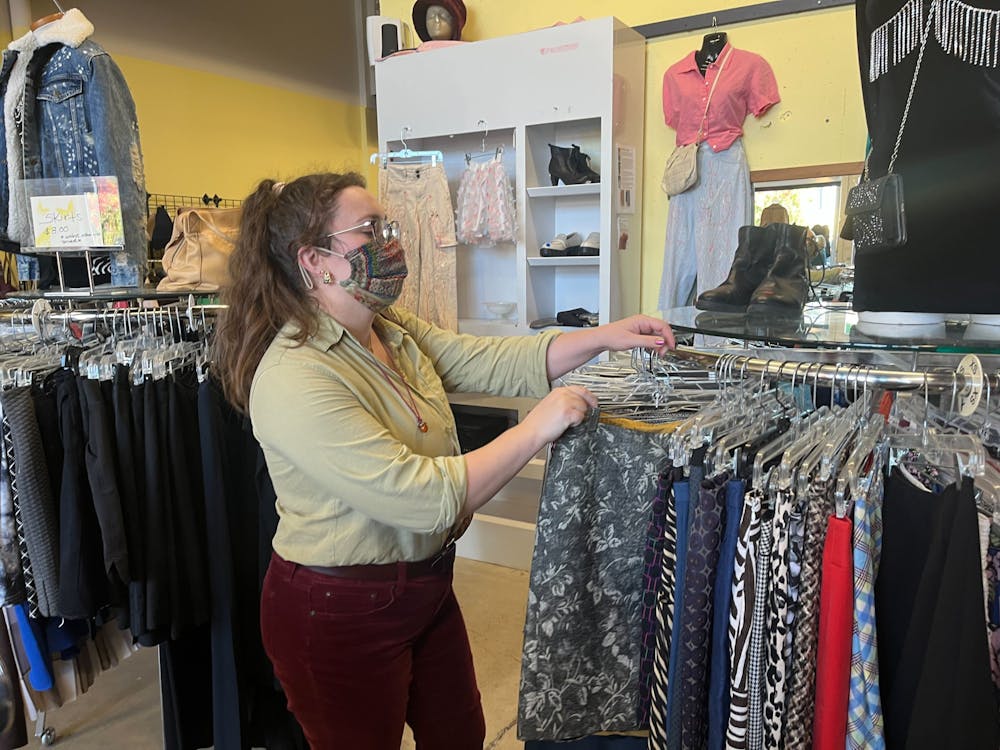
There was a time when thrifting was a quiet act of necessity. A place where affordability met sustainability before either was fashionable. But today, thrift stores have been rebranded, and what was once a lifeline has become an aesthetic.
Now, racks are picked over by trend-hunters with tote bags and TikTok accounts. The once $5 jeans are resold on Depop for $40, and thrift hauls are filmed, monetized and marketed as “sustainable fashion.”
It’s not just about prices, but attitude too. The culture around thrifting has shifted from necessity to novelty. According to Capital One Shopping, 93% of Americans shop online for secondhand items.
This has increased consumer-driven pricing. According to Fashion United, resale sites have dominated the market, seeing eight times the growth compared to traditional retail clothing.
Thrift stores have learned to adapt by using consumer-driven pricing – setting prices based on perceived value rather than production cost. This has damaged the thrift industry and is driving out those who need these clothes the most.
None of this means that thrifting should be gatekept or guilt-inducing. But, if we want it to stay true to its roots, we have to rethink our relationship with it.
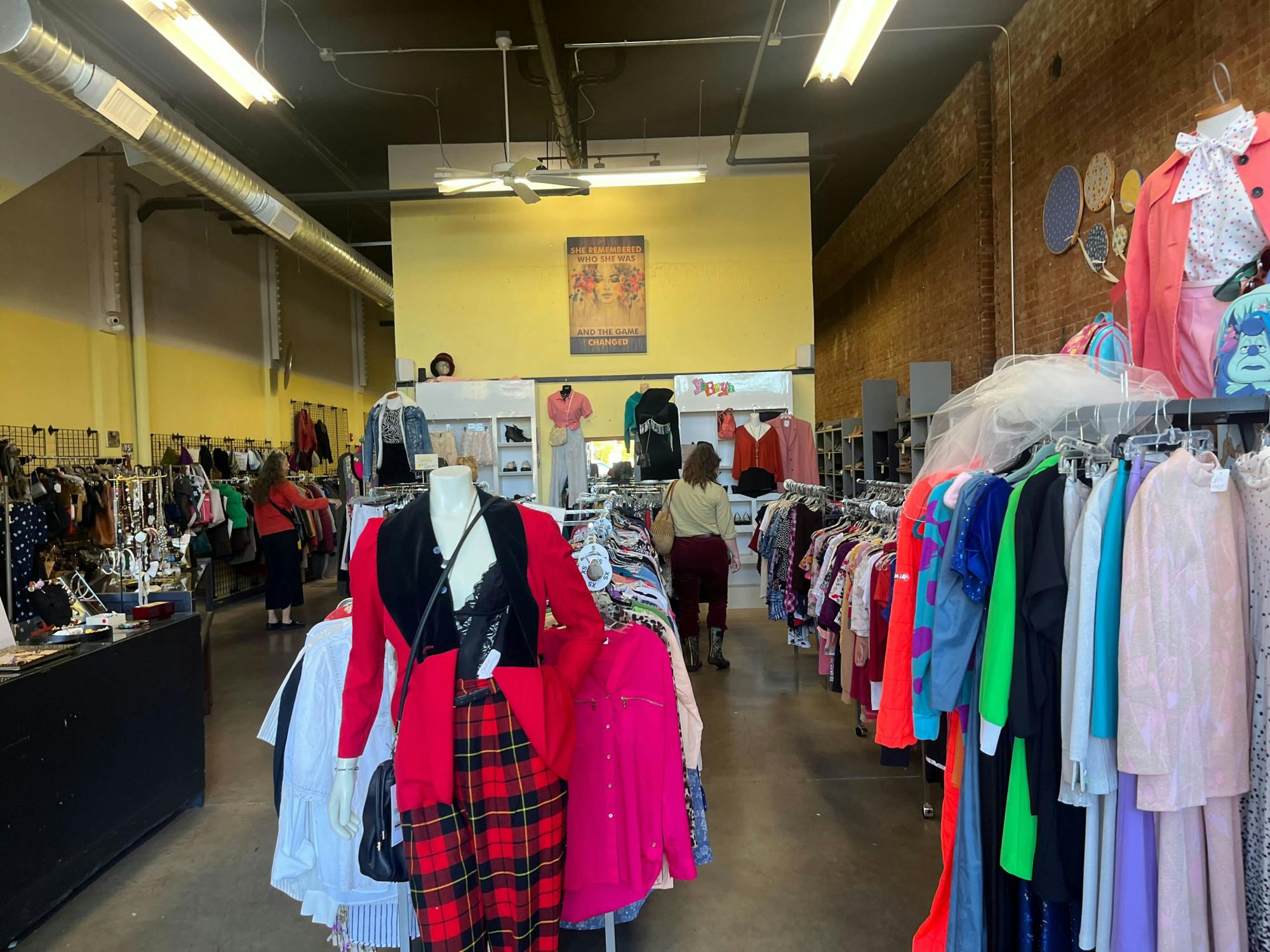
Kate Beck, the sustainability action plan implement manager at Western, said that sustainability is something that isn’t just limited to one definition but a culmination of other factors that are often overlooked.
“Sustainability without equity isn’t sustainability at all,” she said.
Beck said that to be sustainable and frugal, we need to do a better job of thinking of the unintended consequences of certain actions, including thrifting.
“I always wondered why everything is so expensive nowadays,” said Charlotte Loihl, a film major at Western.
Ruby Clemons, a film and creative writing student at Western, related this to a friend who has a Depop shop and loves to shop second-hand.
“She just goes in and buys so much stuff from the thrift store and resells it, or she'll just keep it for herself,” said Clemons, “But you know, she has, like, 10 pairs of black jeans.”
Rising prices mean the very people who once relied on secondhand stores – low-income families, college students and people just trying to make ends meet – are being priced out of something that was built for them.
For change, we need to keep in mind questions about our own sustainability and thrifting practices.
“Who has access to these solutions that we’re developing,” said Beck, “and are they being offered to the people who are impacted most by the challenges we are trying to address?”
We often frame sustainable living as an individual moral choice, instead of a collective responsibility. If the systems around us start to mirror the same inequality we claim to be escaping, then we have missed the point entirely.
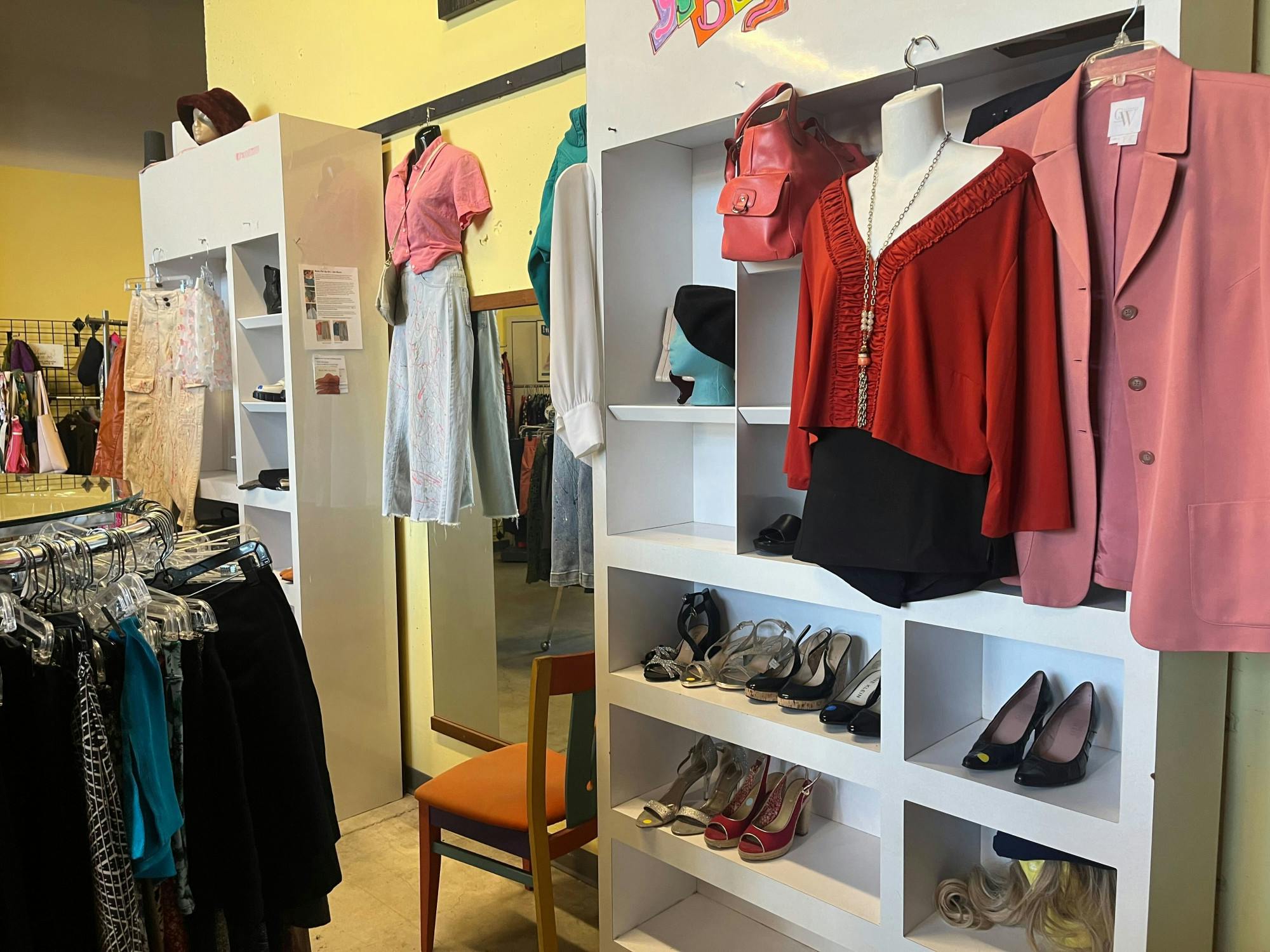
Thrifting can be a powerful act, one that connects us to a community of reuse, care and creativity, if we remember why it mattered in the first place.
The Academic Programs Coordinator for Western’s Sustainability Engagement Institute, Dora Vaughan, said that sustainability related to clothing shopping isn't just limited to thrifting. During a clothing swap, Vaughan’s team educated students on how to mend their clothes and emphasized the simple yet overlooked act of rewearing old pieces to give them new life.
“I think that's something that students often struggle with.” she said, “maybe you've heard the phrase, ‘being an outfit repeater?’”
It doesn’t need to be a competition for the best finds or a race to show off how “ethical” we are online, but instead a meaningful act for the planet and people around us.
Although thrifting isn’t as damaging to the environment as websites like Shein and Temu, said Clemons, there is a type of balance that needs to be had and recognized when consuming anything.
Beck says the best thing to keep in mind when thrifting and being sustainable is to always remember the four pillars of sustainability: Environment, social equality, economic vitality and well-being.
“If you're not taking into consideration the other pillars of sustainability, then it's a frugal choice rather than a sustainable one,” Beck said.
After all, being sustainable isn’t about chasing trends, it's about respecting resources and recognizing that affordability and accessibility is part of that equation too. True sustainability is about balance, awareness, and ensuring that everyone, not just the privileged few, can participate in it meaningfully.
“Sustainability isn't just thinking about the environment, it's also thinking about these other pieces, and that's how we're going to get better sustainability solutions,” said Beck.
Myla Balser (she/her) writes opinions for The Front. She’s a third-year Journalism student at Western, minoring in political science and film. You’ll usually find her reading, movie-marathoning or never turning down a good debate. You can reach her at mylabalser.thefront@gmail.com.