
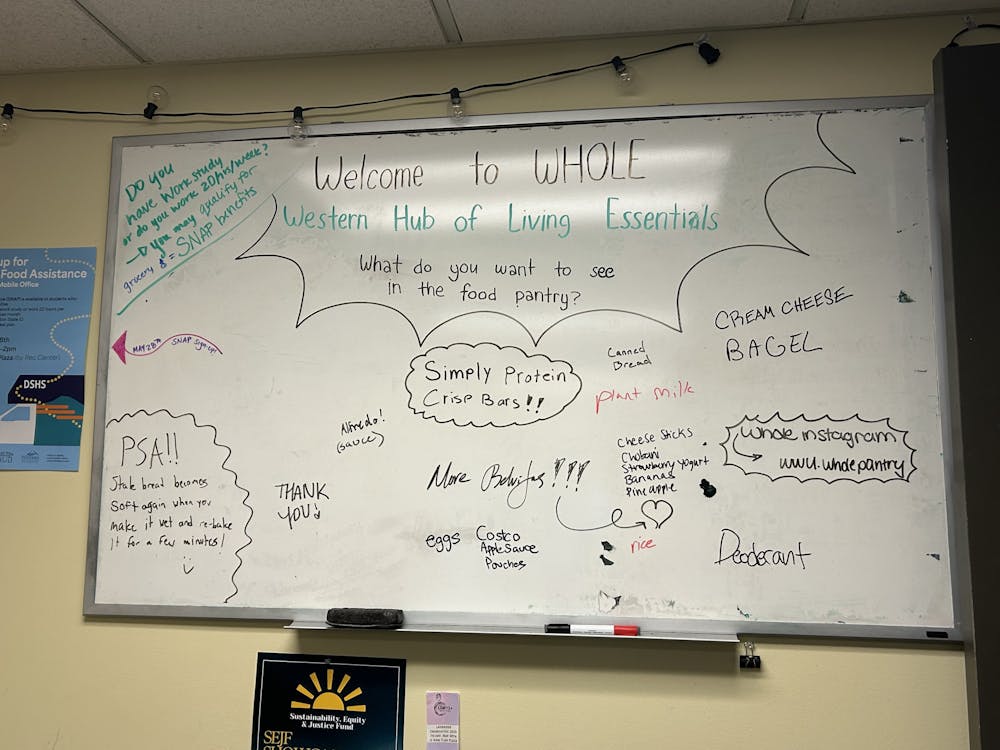
On Tuesday, May 28, from 10 a.m.-3 p.m., the Washington State Department of Health and Social Services (DSHS) mobile office was parked at Western Washington University’s Flag Plaza, near the Wade King Student Recreation Center, to assist students in applying for the Supplemental Nutrition Assistance Program (SNAP).
This event is part of the Basic Needs Hub's ongoing effort to make essential resources more accessible to students facing food insecurity. SNAP began in 1939 as a federal effort to reduce hunger and manage agricultural surplus during the Great Depression. The program has evolved since then, providing monthly benefits to low-income individuals and families through Electronic Benefit Transfer (EBT) cards, and many students don’t even realize they qualify for it.
Gina Ebbeling, the Basic Needs resource navigator at Western, said one of the biggest challenges of applying for SNAP isn’t eligibility, it’s the stigma tied to the stereotype of the “starving college student.”
“The starving college student is a big barrier,” Ebbeling said. “But we all need to eat nutritious meals every day. Being a college student shouldn’t mean being denied meals.”
Eligibility for SNAP can include having work-study as part of your financial aid package, having dependents or working at least 20 hours a week.
At the event, the DSHS staff walked students through the application process, answered any questions and helped determine eligibility.
“We see 500 to 600 students a week walking in and out of the Viking Union WHOLE Food Pantry. We know there is a need for these pantries, and as students see others using those resources, we break down barriers surrounding this topic,” Ebbeling said.
Food pantries are located throughout campus and are consistently stocked Monday through Friday. These include:
Viking Union Whole Food Pantry (Viking Union 435)
Fairhaven College Pantry (3rd floor of Fairhaven College)
CEED Food Pantry (Miller Hall 150H)
Journalism Pantry (Communications Facility 257)
Linguistics Department Pantry (Bond Hall 403)
Sociology Food Pantry (Arntzen Hall 510)
-
Parks Hall Pantry (Parks Hall 045)
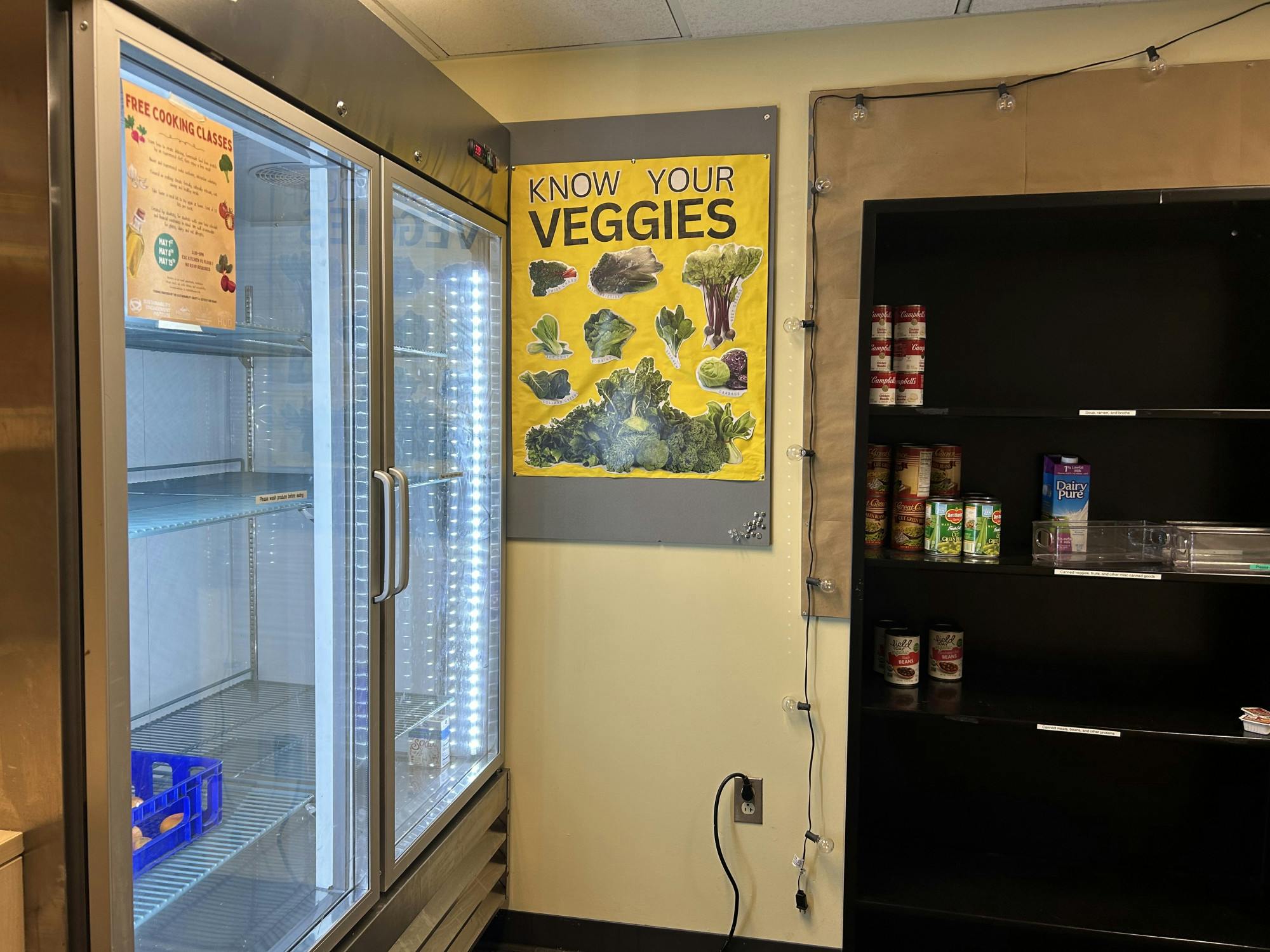
Inside the WHOLE Food Pantry, shelves and fridges offer free essentials to students navigating food insecurity at Western Washington University on May 14, 2025. Though stock may vary, resources like canned goods and fresh produce support students' health. // Photo by Hailey Brown
To explore further resources like the SNAP sign-up, whether for housing, employment, transportation or emergency funding, students can explore the Basic Needs Hub.
Students interested in applying for SNAP benefits should bring documents demonstrating their eligibility, such as proof of work-study, other financial aid information or three recent pay stubs.
Isabella Tancreti is a second-year student at Western and co-president of Students for Climate Action. Tancreti emphasized the importance of food access as a basic human need.
Students for Climate Action actively integrates food sovereignty into their climate justice initiatives, such as collaborations with the Outback Farm at Western. Their mission is to empower students to advocate for initiatives that combat climate change and climate injustice.
“It’s not radical to say food is a human right, regardless of financial status or other contributing factors,” said Tancreti. “We all deserve to be nourished.”
Hailey Brown (they/them) is a campus news reporter for The Front this quarter. They are a third-year visual journalism major with a minor in women’s, gender, and sexuality studies. Outside the newsroom, you can find them taking too many photos, on the beach collecting sea glass, or with their nose in any book. You can reach them at haileybrown.thefront@gmail.com.