

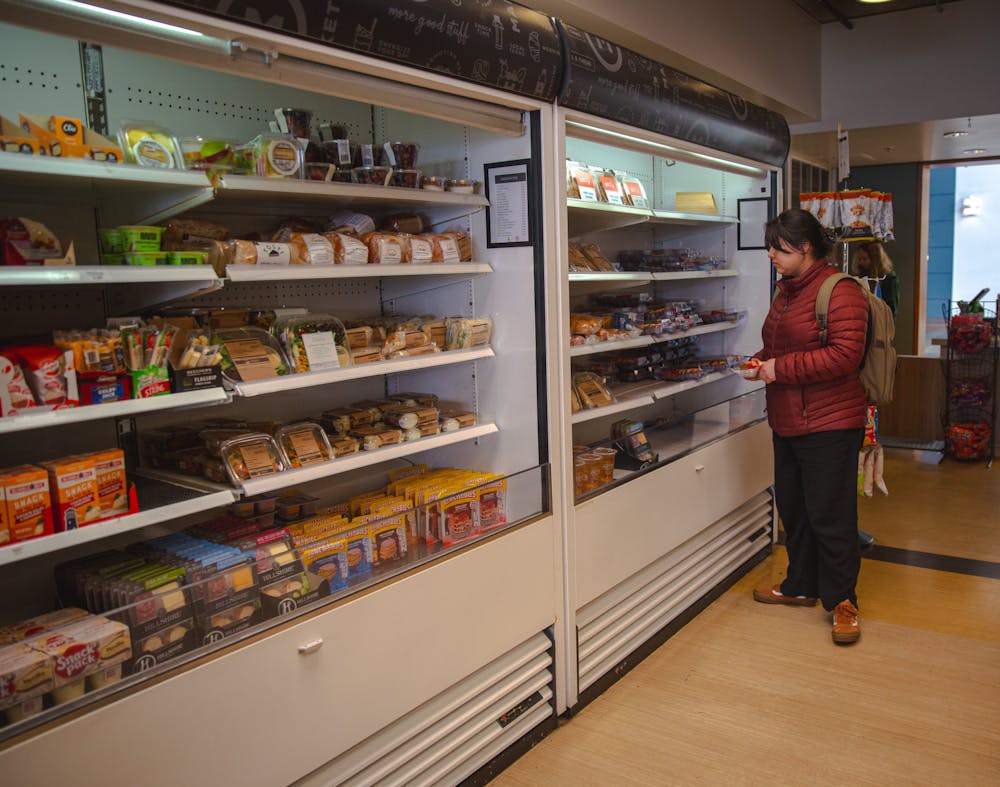
Western’s student meal plans for the 2025-2026 school year are set to change in the fall. This will likely raise the costs and reduce access to food for many students who live on campus. The dining program intends to shift towards a dining system giving students a set number of meals per week while cutting the number of Dining Dollars students receive.
Students on campus shared frustrations with the policy change, as the prices could affect access to food.
In 2024, Western Washington University launched the new Dining Dollars program, replacing the previous Viking Dollars system. The program provides students with greater food selections beyond the dining hall while offering students a discount on products, making the purchases tax-free.
The Dining Dollars are included with student meal plans and can be used at a variety of locations on campus, including Freshens in Sam Carver Gymnasium, Starbucks, the Viking Union Market and Zoe's Bookside Bagels in Western Libraries.
“Dining Dollars are included with campus meal plans to expand the value and variety of foods students can enjoy,” said Alexandra Perez, senior marketing manager of Dining at WWU, in an email statement. “The main goal is to expand dining options for meal plan holders, while providing additional value through tax-free purchases.”
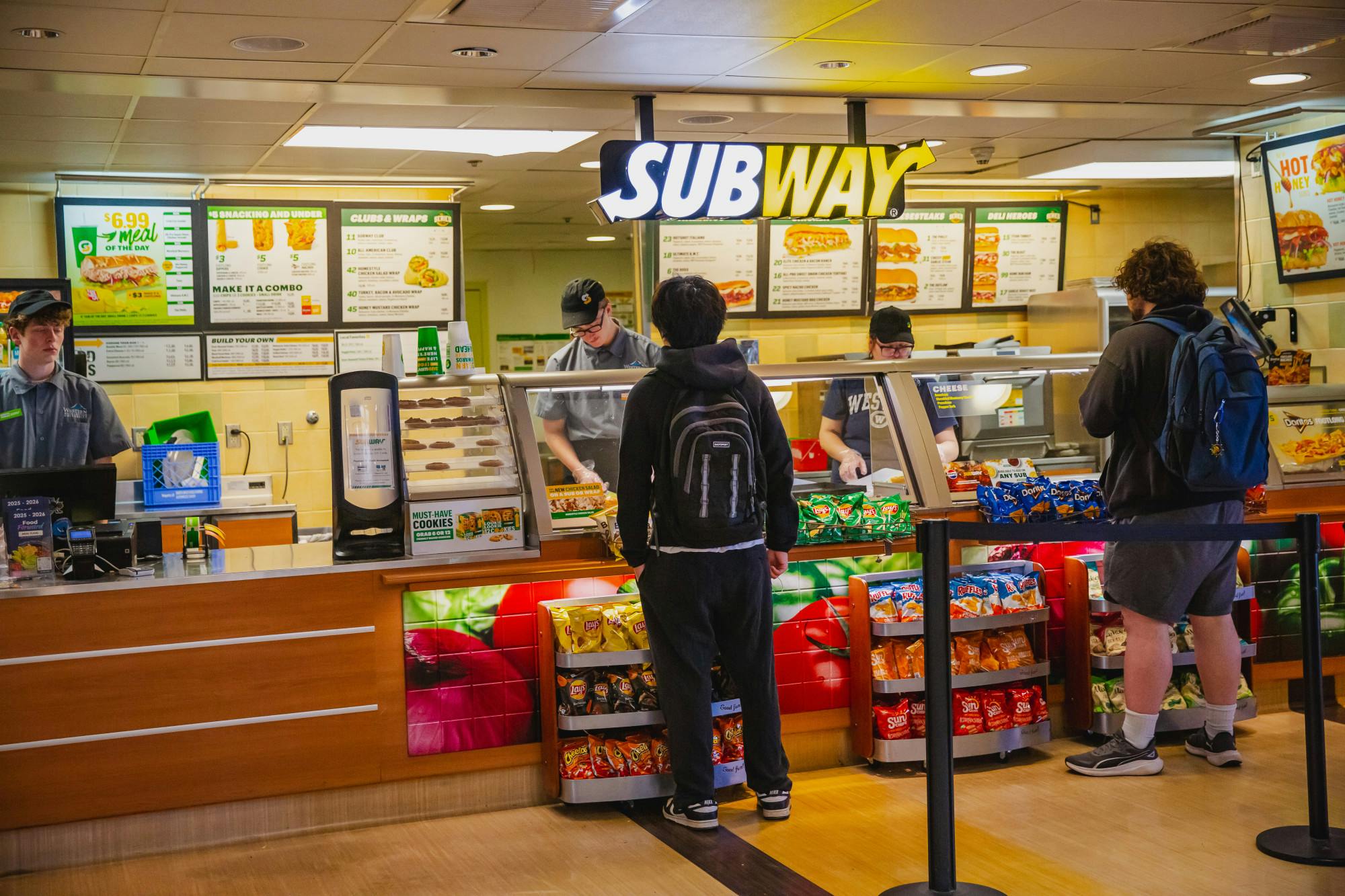
Students getting an afternoon sandwich at the Subway in the Viking Union Market on May 20, 2025, in Bellingham, Wash. This is one of the many places on campus where students can spend their dining dollars. // Photo by Jaimee Wacker
Dining Dollars can impact students’ decisions when purchasing food on campus and how they feel about their purchases.
“The main reason why I use them is because it’s so convenient and easy,” said first-year student Aryana Huong. “I don’t really have time in the middle of my day to go to a dining hall to eat food, so having the Dining Dollars to grab a quick snack between classes is convenient.”
While many students, like Huong, enjoy the Dining Dollar program, the new changes have upset many, including first-year student Josephine Boone.
“You’re paying for more next quarter for less,” Boone said. “I feel like because of them cutting back on the Dining Dollars, students aren’t going to use the food places around campus anymore.”
Experts in the field bring forward concerns about the possible consequences of limiting such a program’s access. Frank Vernon, faculty member and graduate program coordinator at Northern Arizona University in the College of Social and Behavioral Sciences, explains that these programs create competition between a university’s profit and students trying to eat.
Vernon said in his line of work, he notices how first-year students feel they are forced into a dynamic with the college dining system that exploits its student body.
“They're in some sort of maybe exploitative or at least competitive relationship with the campus, the campus is trying to make money and they are trying to eat,” Vernon said.
This sentiment was echoed by Sydnie Monegan, director of programs of Swipe Out Hunger, a nationally recognized nonprofit organization seeking to end hunger for college students. Monegan stresses the value of Dining Dollars while recognizing the need for more support on the issue of food insecurity.
“Dining dollars has great benefits, I know that it’s not the answer to food insecurity,” Monegan said. “If you only address food insecurity by something that is convenient for the campus, then you are missing the entire demographic who are battling with food insecurity outside of the hours of operations of the on-campus solutions.”
Perez responded in an email to concerns about the new meal plans and gave further context to these changes.
“We hope students can see in the long run that the new meal plans give them more value, options, and overall, more access to the residential dining halls for easy meals,” said Perez. “In comparison to the previous structure, our new plans are priced at a cost that offers more meal swipes for all-you-care-to-eat dining compared to previous plans, helping to reduce any struggles with food insecurity.”
Jaimee Wacker (she/her) is a campus life reporter for The Front. She is a visual journalism major. Outside of The Front, she can be found making videos and interacting with the many ethnic student clubs here at Western. You can reach her at jaimee.thefront@gmail.com.