
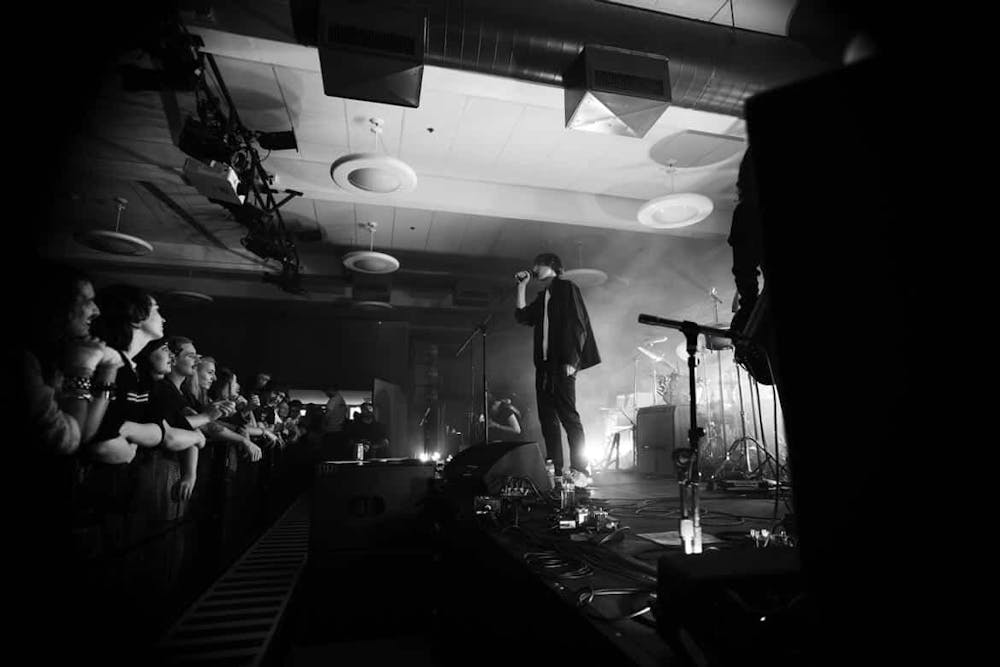
When wandering the tightly woven one-way streets of Bellingham, you’re never more than a stone's throw from a music venue, with venue being a loose term for anywhere people have figured out a way to plug in an extension cord long enough to run an amp through.
The gatherings of music often start in the funky houses of the York Neighborhood and Garden Street, with rattling windows and crowded porches overflowing with thick smoke and baggy jeans. The house show is the perfect stomping ground for fresh bands hoping to entertain burnt-out college kids, but the short-term reality of rental leases and college degrees creates inconsistency for concertgoers and musicians alike.
“The house venues, they change all the time, every few years it's just different,” Mark Miyake, an ethnomusicologist at Western Washington University’s Fairhaven College, explained. He has been a keen observer of the fluctuations of available houses since 2015. “And when you're in a place with not that many venues, the changing, or end, of even one or two major ones changes a lot about how the scene works.”
The shifting of available houses able to host Friday night shenanigans might seem harmless, but the current lack of them can have consequences that Ava Gedicks, Western Arts and Music Production (AMP) concert coordinator, is keeping her eye on.
“There’s just not a lot of house venues right now and thus there's not as many bands, and the bands that are making things tend to work in collaboration with each other, and so it becomes this whole little ecosystem, which is positive and also can be negative in some ways,” Gedicks said. “It maybe promotes a lack of diversity.”
The current “ecosystem” of house shows in 2026 isn't sustainable for a music scene like Bellingham's. More urgently, this decline in community involvement puts even more pressure on the small collectives of passionate people who are fighting to keep these spaces in this ever-changing town.
This is typically when people start saying that the economy is why the music scene is struggling, which is an undeniable factor. But the truth that a lot of Bellingham musicians are running from is a much more difficult pill to swallow: music is inherently based in community and if you aren’t willing to show up for that community, then don't expect it to show up for you.
Because the Bellingham music scene doesn't suck – the lack of engagement in it does.
There are things that make showing up for it hard. There is exclusive behavior and real barriers that prevent people from engaging in Bellingham's scene, from noise ordinances to overly opinionated neighbors. But that's all people do here – acknowledge. They talk about it and share grievances in the comfort of their homes, looking to anyone but themselves for answers in this time of musical need.
One of the answers to this conundrum is on the corner of Maple Street, home to the locally famous Karate Church. It houses anything from punk shows to partner dancing nights (which are on Thursdays), with a little more white paint chipping off the walls every time the drummer slams the kick drum.
For many Bellingham musicians, like fourth-year Fairhaven College student and guitarist Cassy Kalei, it's been an accepting space outside of the house show scene.
“We never played outside of DIY spaces and whenever we played, it was usually at the Karate Church or DIY houses,” Kalei said.
Once the guitarist of the now disbanded Arcana, Kalei fondly remembers RIOT house, another space that offered more than just a stage for musicians.
“They were a femme-led, DIY house,” Kalei said. “In their time, they got a lot of credit for being one of the few DIY indie punk houses that were femme-led and took safety and security of marginalized people seriously.”
The loss of these house show spaces isn't just physical – it's the loss of a community space for anyone looking for music on a Friday night and for musicians looking for that outlet to plug into. Milli Shadel, a third-year guitar and composition student in Western's music department, is one of the many musicians in this town feeling that impact..
“I really just want to start a band, you know, and do the thing. But finding a space to rehearse and do that has been one of the biggest hurdles for me and my friends,” Shadel explained.
The loss of these spaces, in combination with the four-year cyclical nature of a college town and the rapidly plunging economy, means that collaborative work is more important than ever for the show to go on. Luckily, Karate Church isn't the only venue trying to bridge the gap.
There’s an unassuming gray building by the library downtown that many have come to know and love as the Make.Shift Art Space, which happens to be one of the busiest basements in town. The non-profit hosts an art gallery, affordable visual and musical studio spaces, the local FM radio station KZAX and a stage with weekly shows.
Behind the show posters and brightly colored skate decks hanging on the wall, KZAX station manager Marie Songer knows more than most about the importance of collaborative work, especially in the face of rising costs.
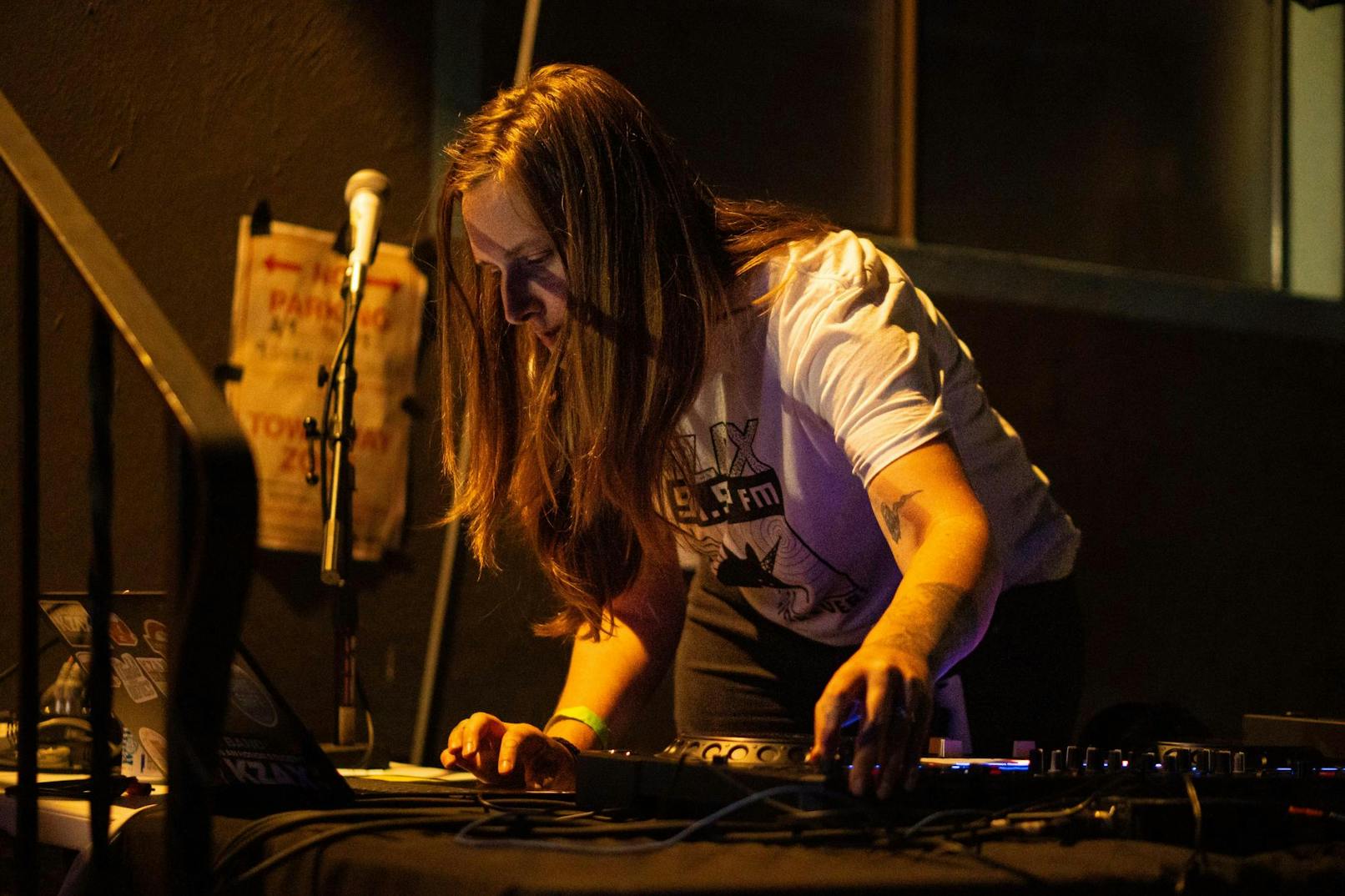
“You need to be able to change, you need to be adaptable, which is something some people don't want to be. And I also think the more money you have, the less adaptable you are,” said Songer, who is constantly on the go, coordinating with the 40 DJs who are in and out of the station weekly. “We can change ourselves because we don't rely on and don't have these massive budgets and expectations.”
Here's the other half of the hard-to-swallow truth: music doesn't happen just because there is a musician on stage. Everything from figuring out venue booking, transportation, gear, running sound and doors, managing money and advertising the show has to happen before the music can even get through the speaker.
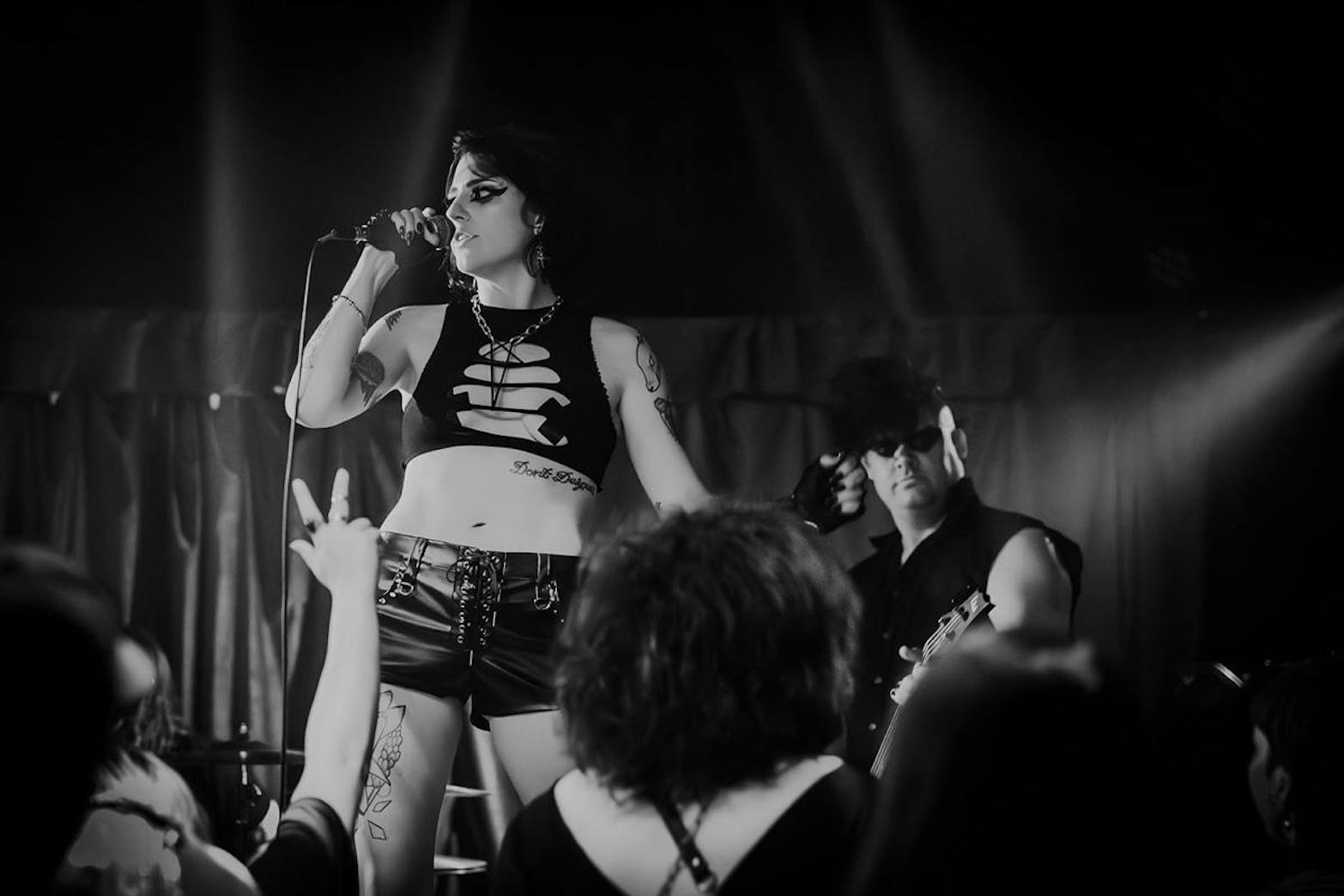
Reilly Hannigan, known as DJ Mandy Moorhol and as the lead singer of Bellingham goth band Gallowmaker, is familiar with this ecosystem and takes part in it every week, running shows at The Shakedown. Even recalling the memory of her first time working at a venue, the now-closed Backdrop, brought a smile to her face.
“That was the first time I’d really been around a big community of queer people and it really helped me figure out who the hell I was and what I wanted,” Hannigan said. “I met so many people there that I’m close with now.”
Hannigan isn't alone in that, because that is exactly what makes spaces like Make.Shift so magical. By offering a space that celebrates music and creativity, similar to the support found at house shows, to young college students and the general Bellingham community, it becomes more than just making music – it’s about making a space for role models of any age to teach and support others.
“I can't think of really any community where music isn't at least, you know, somewhat an important part of their identity,” Miyake said. “And so I see all the time how central music and other forms of cultural expression are to community expression and the feeling of identity.”
It's time to show up for the Bellingham music scene as it is, in its ever-evolving and quirky form. Because it isn't about you, even if you're the front singer of the band on stage at the Blue Room on a Friday night – it's about the indescribable joy that happens when a room of people get to experience music not as an individual, but as a community.
Adrian Rattray is a third-year news/editorial major and an opinions reporter for The Front this quarter. When they’re not writing for The Front, you can find them in the Fairhaven studio, bumping chairs at Mount Baker, or rock climbing. You can reach them at adrianrattray.thefront@gmail.com.