
Students at Western Washington University say they are questioning how safe campus spaces feel following a flashing incident inside Wilson Library on Jan. 28.
The perpetrator was described as a “white male, 50–60 years old, wearing a green shirt, black pants, and black socks,” according to a campus advisory message sent out on Jan. 29.
Alex Pullen, a first-year Western student, said she first learned about the incident through social media rather than an official campus alert.
“I heard about it on Reddit first, because it’s where everyone was posting about it,” Pullen said. “Everyone was talking about it around campus, but I didn’t get the email.”
The incident did not come as a shock to Pullen, but it still left her uneasy. She added that reporting these incidents can feel nerve-wracking and impossible to overcome.
“I wish I was more surprised than I was. It was concerning, not surprising,” Pullen said. “Anything that’s sexual in nature, even if it’s assault or harassment, feels awkward to tell people.”
Kristen Anderson, a Western sociology professor, understands students can feel feelings of fear, shock and disgust both during and after an incident like this.
“It raises frightening questions, such as, ‘Is this person targeting me, or was I just in the wrong place at the wrong time?’” Anderson said.
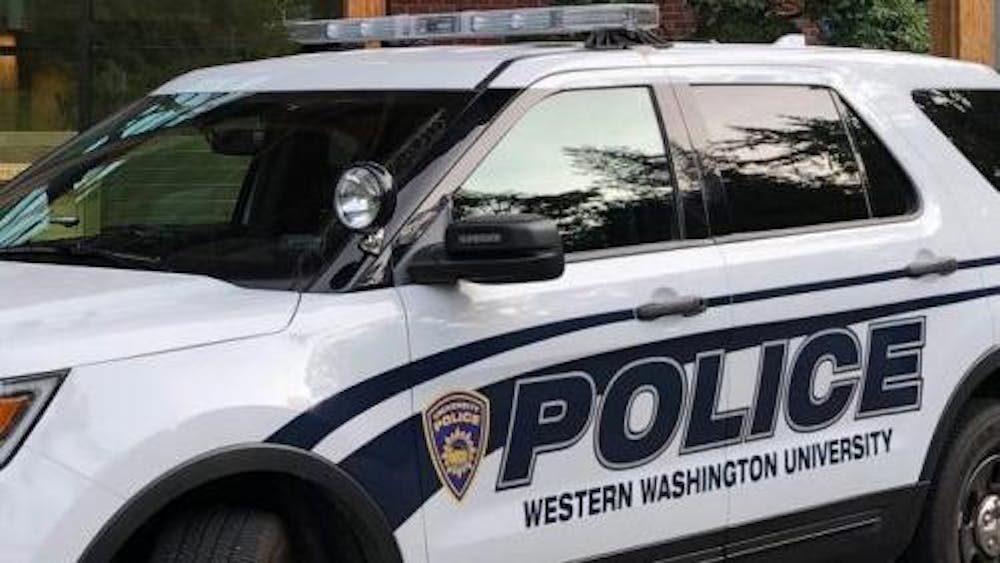
Western Washington University Police Chief Katy Potts said the department relies heavily on community reporting to respond quickly.
“We have an open campus, which makes prevention of circumstances like these very difficult,” Potts said. “Quick response based on timely reporting goes a long way to helping us catch these suspects.”
Potts says the department aims to reassure students who are feeling anxious from the incident by maintaining communication and providing guidance on what to do if a situation like this happens near them.
“If you ever witness something suspicious or feel unsafe, please call 911 immediately,” Potts said. “If it is safe to do so, try to remember details about the person, such as clothing or distinguishing features.”
Pullen said she noticed a slight increase in police presence after the incident but questioned whether it was enough.
“I think I saw a few more police officers than I was used to,” Pullen said, “but I don’t think it’s been as much as I would expect.”
Madeline Kelly, the dean of libraries, said library staff responded promptly and professionally during the incident.
“Library personnel are very much motivated by the safety and well-being of the university community,” Kelly said. “These kinds of incidents are the exception, not the norm, and within the library, they’ve been handled quickly and thoughtfully.”
Kelly encourages students to continue using the library throughout all of the anxiety surrounding public spaces on campus.
“This place belongs to you,” Kelly said. “The benefits of coming to the library, studying in library spaces, and connecting with the community are important.”
Pullen thinks that because the incident happened inside a commonly used academic space, it made her rethink how she uses campus facilities.
“When I first came here, I thought places like the library would be safe,” Pullen said. “It doesn’t feel that way anymore. I don’t think I would come here after hours or anything like that.”
Anderson says that the state of the world right now, combined with the effects of an incident like this, had an effect on the student body.
“It could escalate or perpetuate feelings of uncertainty and fear about what is happening to our planet and our world that are prevalent on college campuses right now,” Anderson said.
Throughout these feelings of uneasiness, Chief Potts hears the students' anxieties and reassures them her department is here to help.
“Their unease is valid and real,” Potts said. “I hear them and know what they may be going through. We are doing everything we can.”
Cody Sauter is a third year at Western studying PR and journalism. As a reporter for The Front, he writes for campus news. When he's not working, he enjoys reading, dancing with Western's SINI-HHA and watching movies with friends. You can reach him at codysauter.thefront@gmail.com.