
When asking a student to think about using food assistance at Western Washington University, a student's first reaction isn't always curiosity - sometimes it's hesitation.
Sometimes, students may assume that these programs are only for people who have no other options, rather than students who are able to scrape by. But as the quarter goes on, ‘scraping by’ could mean skipping breakfast, cutting portions or saying no to more expensive meal plans.
If this is you, you are not alone. Food insecurity is something WWU students deal with quietly. According to a 2024 survey led by Western, titled “Reassessing Basic Needs Security Among Washington College Students” 43.8% of students experience food insecurity.
Between tuition, rent and groceries that all seem to be rising in price, it's easy to fall short. Still, many of us don't reach out for help because we think asking for it means we’ve somehow failed.
But that stigma – that quiet internal voice telling us to handle everything on our own - is wrong. Needing help doesn't mean you're doing something wrong; it means you’re living in a system that wasn't built for students to thrive without support.
Gina Ebbeling, Western’s SNAP and food assistance coordinator, has seen that firsthand. “I can see that stigma playing out,” she said. “But I feel like that stigma might be shifting a little bit, just as more knowledge and awareness of resources happens.”
That awareness is crucial, especially now. “We’ve been seeing food insecurity, basic needs insecurities in general, increasing statewide, but also at Western,” Ebbeling said.
The number of students using the pantry has also increased. “Last year, we were seeing on average about 600 students a week utilizing the WHOLE (Western Hub of Living Essentials) Pantry,” Ebbeling said. “This fall, our numbers have been between 1,300 and 1,500 students a week.”
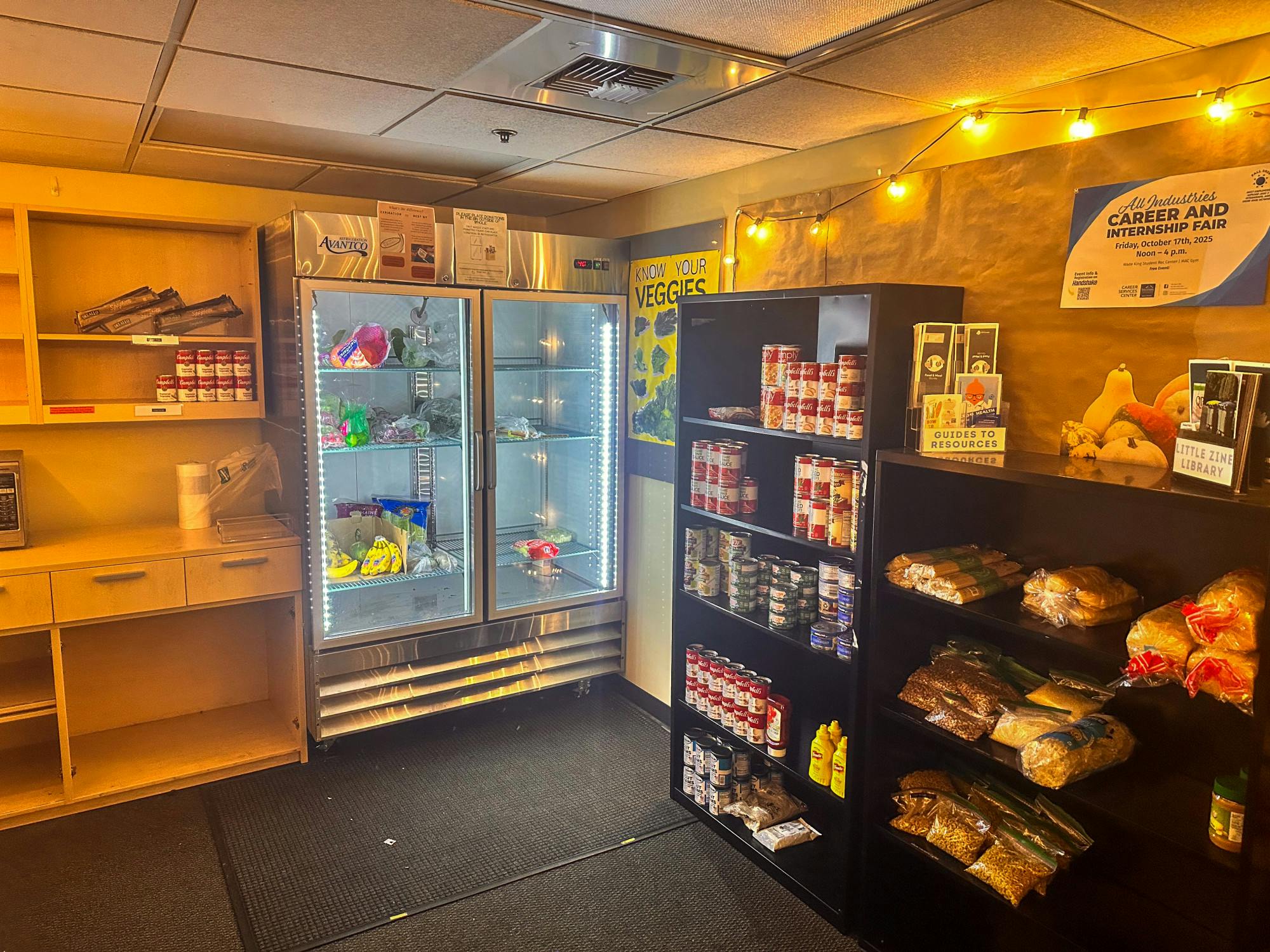
That's more than double compared to last year, and it's happening as more and more first-year students are reaching out earlier than ever before.
Some may think this increase would mean that the stigma of asking for food assistance is declining. Instead, it shows the desperate situations Western students are finding themselves in to save money.
“I feel like people are embarrassed about it because everybody is struggling at the same time,” said Leah Thompson, a fourth-year student at WWU. “I think the stigma exists, everyone is feeling it, but nobody wants to talk about it.”
There are also plenty of resources outside of WWU that can help students.
Joshua Collins, a second-year student at Whatcom Community College, uses the Bellingham Food Bank every Wednesday to make ends meet.
“Me and my roommates get by on this stuff,” said Collins. “We can do nearly an entire grocery haul for free here, and that's food that we would've never had without this community.”
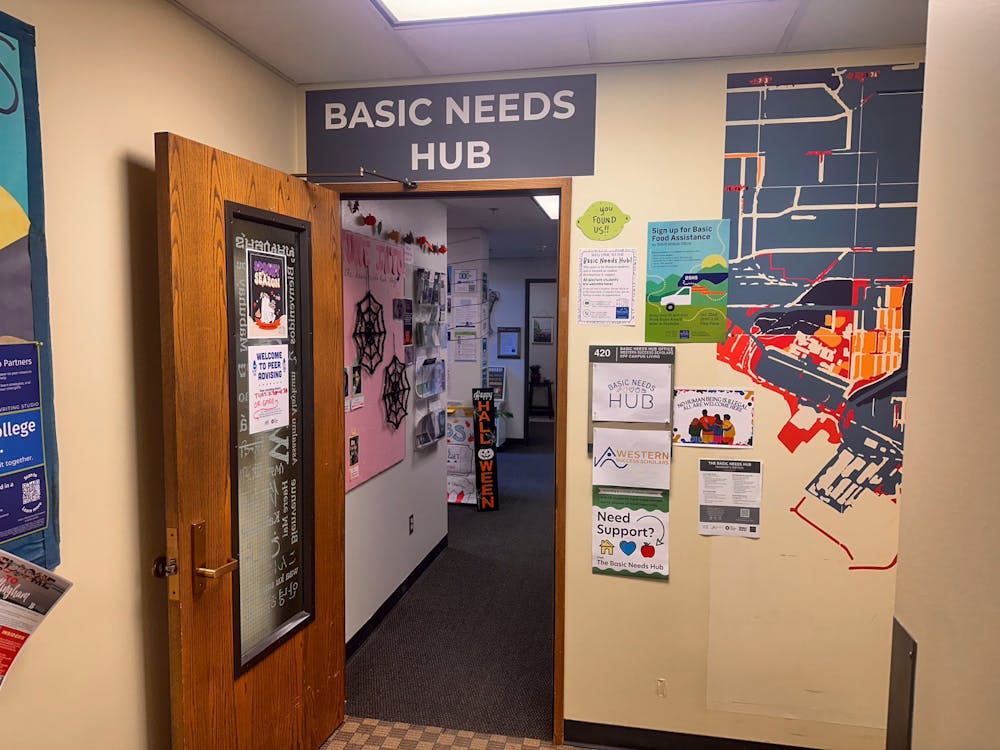
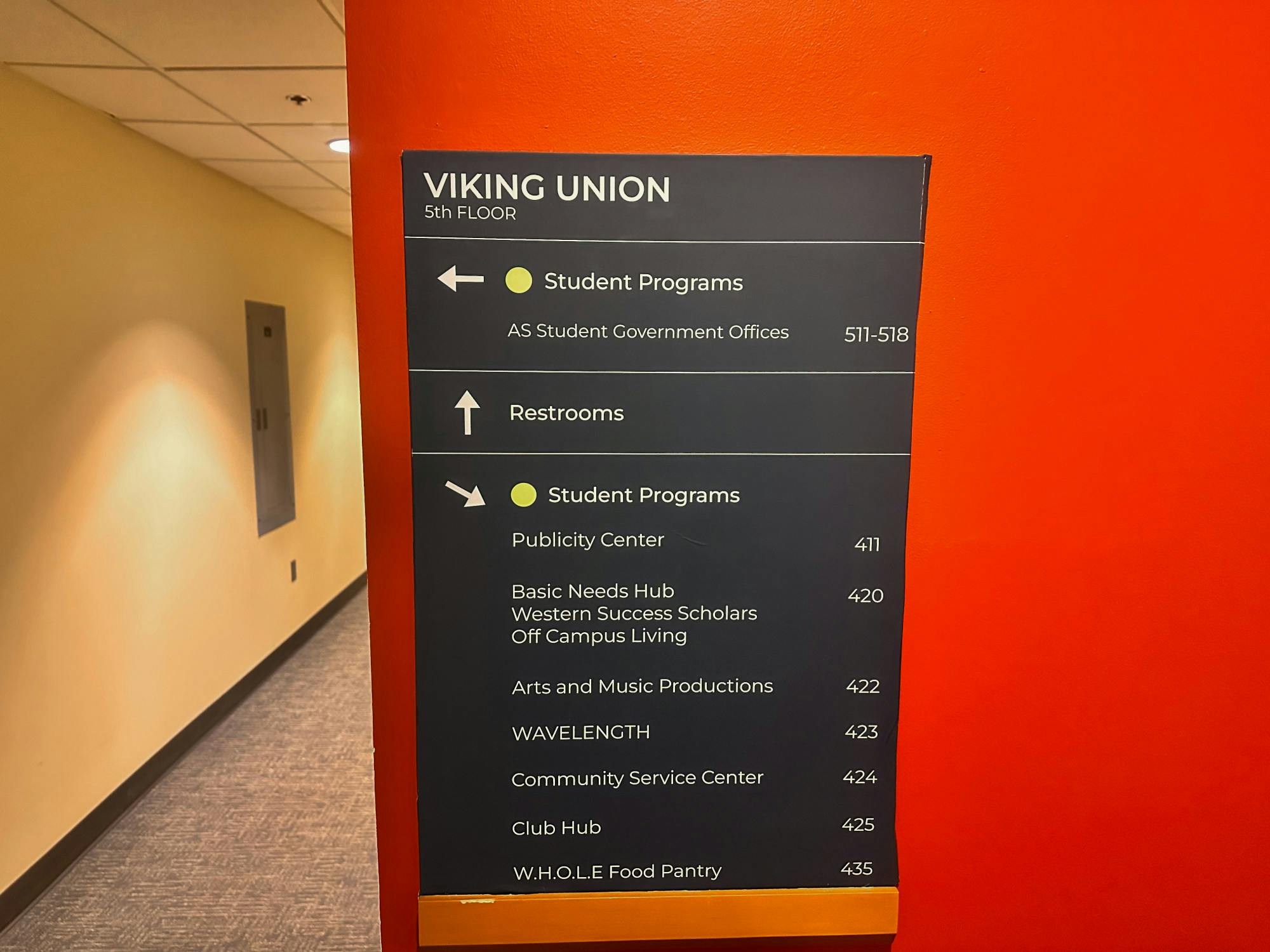
Food insecurity shouldn’t come with shame; it's not a moral failure. It's a systemic issue that, if not addressed, will continue to affect a large portion of students' lives on and off campus. If you are struggling, the Basic Needs Hub and the WHOLE Pantry are just a few of the many resources that are happy to support.
There's no shame in needing support – just proof that you’re doing your best in a system that was never meant to be faced alone.
Devin Green (He/They) is a third-year Journalism major and Opinion reporter for The Front this quarter. When he is not double-emailing interviewees, Devin is community organizing, reading or sleeping. You can reach them at devingreen.thefront@gmail.com.