

Vibrant hues of pink clustered flowers with a sweet fragrance cover the low-growing shrub and its green foliage, marking it as the Subalpine Spirea (Spirea densiflora). While delicate in appearance, the shrubs taste deters Bellingham’s grazing deer, according to the National Garden Bureau.
“It’s a shorter-growing, woody shrub,” said Emily Hirsch, fish and wildlife habitat improvement manager for Whatcom Conservation District. “It gets really beautiful, bright pink flowers on them.”
The Washington native plant is a new addition of the 40 species available for the 33rd annual Native Plant Sale & Celebration hosted by Whatcom Conservation District on March 21.
Native species such as the Subalpine Spirea form Whatcom County’s rich landscape. Despite often growing outside urban settings, they also thrive in your own backyard.
The sale aims to make planting native species more affordable and accessible through collaboration between wholesale growers and conservation organizations.
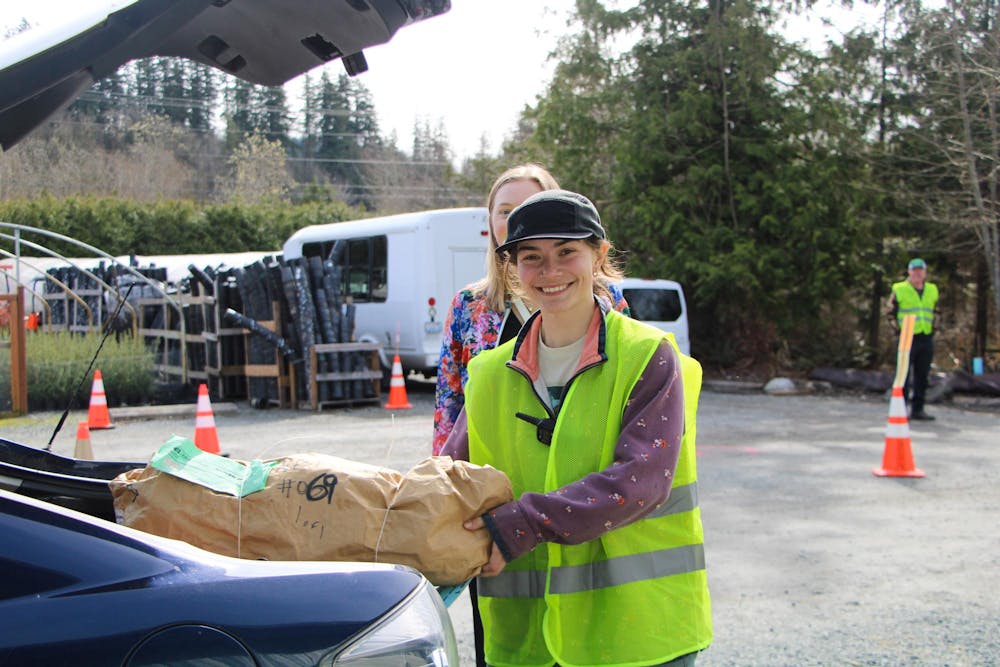
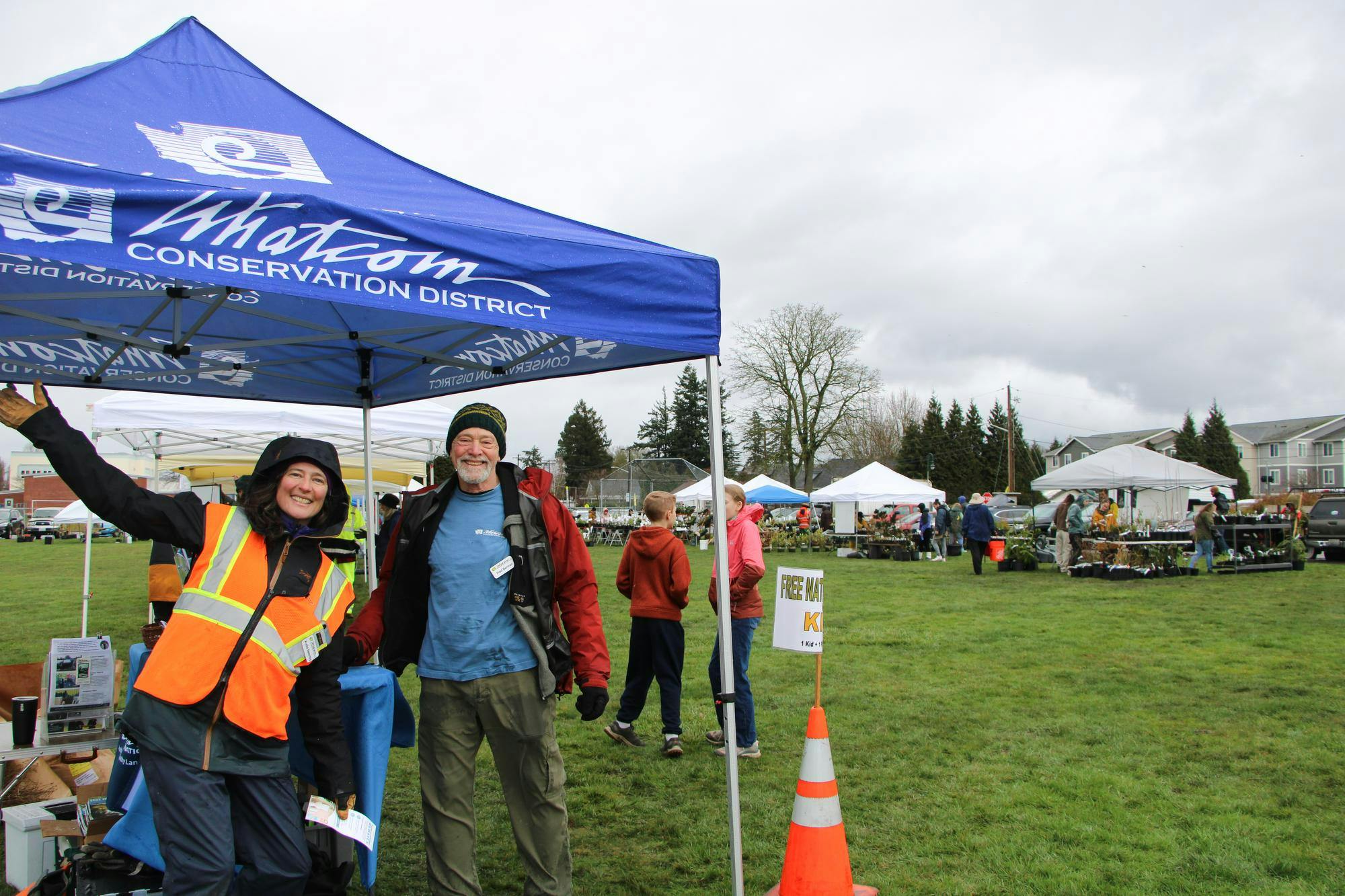
According to Hirsch, the sale will be at Pioneer Park in Ferndale from 10 a.m. to 3 p.m. Besides plants, several educational booths, plant vendors and food trucks will be there too.
“We call it a sale and celebration because we're celebrating native plants, and then all the good work that our agency partners and friends are doing as well,” Hirsch said.
Conservation-grade native plants are typically sold wholesale, which often requires minimum orders of 50 to100 of one plant species. This creates barriers for gardeners unable to commit to such a large order or who simply can’t afford to. Although most nurseries offer selections of native plants, it's generally more costly.
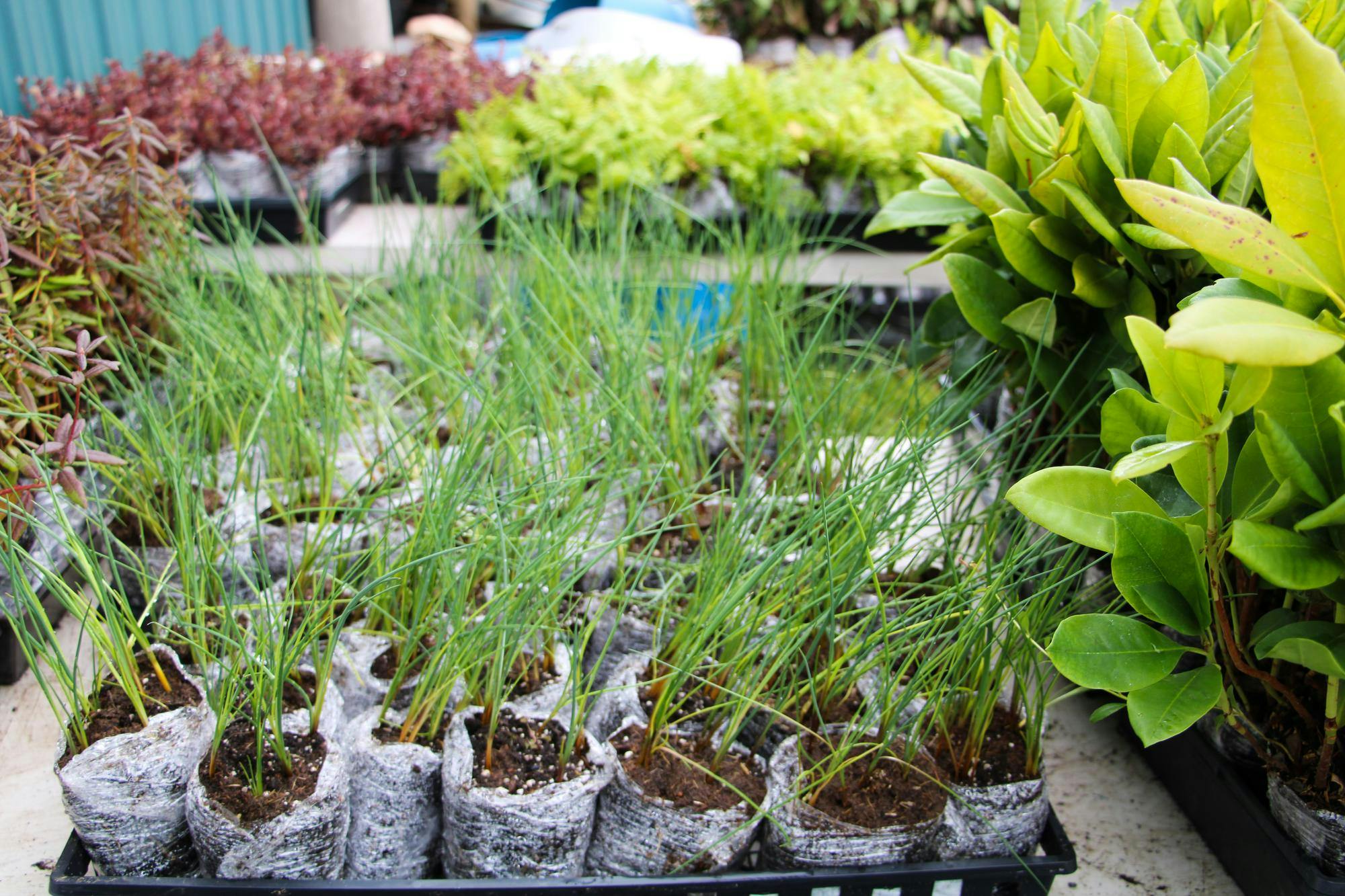
The sale makes gardening with native plants attainable by selling them bare-root, which lowers costs, as they come without the pot nurseries often sell them in.
“I think our lowest cost plant this year is $1.30, and then it goes up to $7.25 from there,” Hirsch said.
In addition to selling plants individually, customers planning larger orders or wanting convenience can pre-order online till March 6.
The sale is intentionally structured to keep prices low and make native plants readily available to the public, which, in turn, benefits the habitat, Hirsch said.
According to Eric Worden, chair of the Koma Kulshan Chapter of Washington Native Plant Society, native plants have strong roots that hold the soil, preserve water quality, prevent floods and support wildlife.
The Koma Kulshan Chapter of Washington Native Plant Society promotes conservation of native plants and habitats through education and advocacy.
“The bigger picture of the process, to me, is getting people reconnected to the world we're living in. As a modern society, we have really been separated from the nature around us,” Worden said. “That’s dangerous because we really depend on all the life around us for survival, and a lot of it is being degraded.”
The Chapter will also attend the sale and have their own information table and volunteers, Worden said.
Planting native species supports habitats and can simplify gardening. As plants evolved with the climate and soil, they require minimal supplemental watering once established, don’t need fertilizer and can generally tolerate the weather outside of extremes. This can be specific to the plant and site, but in general, they’re best suited for the local environment.
“Even in the hot summers, I don’t necessarily water all of my (native) plants, and they tend to make it through the summers just fine,” Hirsch said.
Although the sale consistently offers the same mix of plants each year, a few new shrubs and wildflowers are added to the mix regularly.
Fourth Corner Nurseries, located in Whatcom County, is one of the wholesale retailers that the Whatcom Conservation District sources plants from for its sale.
“It’s a broad swath of native plants, there’s everything from the dominant conifers that you see in our western forests to herbaceous perennials and forbs that add so much diversity and beauty to the understory,” Dylan Levi-Boyd, general manager of Fourth Corner Nurseries, said.
As one of the few native wholesale retailers in the region, 95% of what the nursery grows is from seed they collect and grow themselves, Levi-Boyd said.
“If your 200 square foot space is supporting the pollinators, if it’s capturing storm water and allowing it to infiltrate into the ground, as opposed to running off, you’re an example for your neighbors,” Hirsch said. “We got to start somewhere, so every little bit counts.”
Katherine Konicke-Dunlop (she/her) is a city life reporter for The Front. She is in her second year at Western, this is her second quarter writing for The Front and she is majoring in news/editorial journalism. Katherine can be spotted out hiking, on long walks around town or with her eyes glued to a book in her spare time. You can reach her at katherinekonickedunlop.thefront@gmail.com.


