
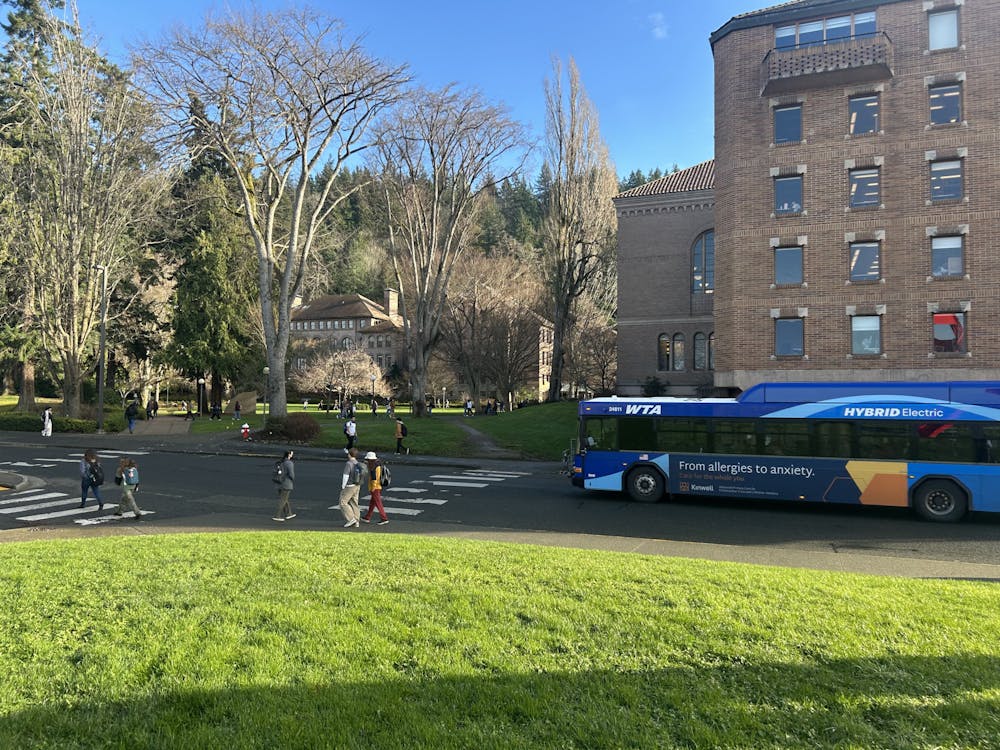
The contract between Whatcom Transport Authority (WTA) and Western Washington University, which provides Western students with access to bus passes, is set to expire in September 2026. Concerns have ignited among students over the lasting impact the contract's potential end could have on accessibility and affordability within the university and Whatcom County if renegotiations fail.
“They're also talking about increasing paratransit from $1 to $3, which, to me, really is a disservice to the community,” said Maya Downing, co-chair of the Young Democratic Socialists of America (YDSA).
WTA paratransit provides a door-to-door service for riders with disabilities that prevent them from using the fixed-route bus system. The fare increase for paratransit rides could cause a significant financial strain on riders who rely on that transportation, according to Gretchen Rumsey-Richardson, assistant director of Western’s Disability Access Center.
“Students who cannot simply choose to walk may feel the impact of daily transit costs more acutely, particularly given that adults with disabilities are more likely, on average, to live below the poverty line than nondisabled adults,” Rumsey-Richardson wrote in an email.
The DAC works to ensure the university provides accommodations that aid equitable access for disabled students, including promoting increased accessible routes and infrastructure across Western’s campus, according to Rumsey-Richardson.
WTA, facing its own restructuring due to expenses outpacing revenue, will see a fare increase starting Sept. 1, 2026. The agency won’t be willing to renew the contract for the same price due to funding issues, said Maureen McCarthy, WTA’s community and government relations manager.
“Last quarter, I was finishing my chemotherapy treatment because I got diagnosed with cancer, and I was very reliant on the bus because my mobility was not as good as it typically is,” Downing said. “So, I just couldn't imagine how inaccessible getting places would become if our fares increased because people can’t afford it.”
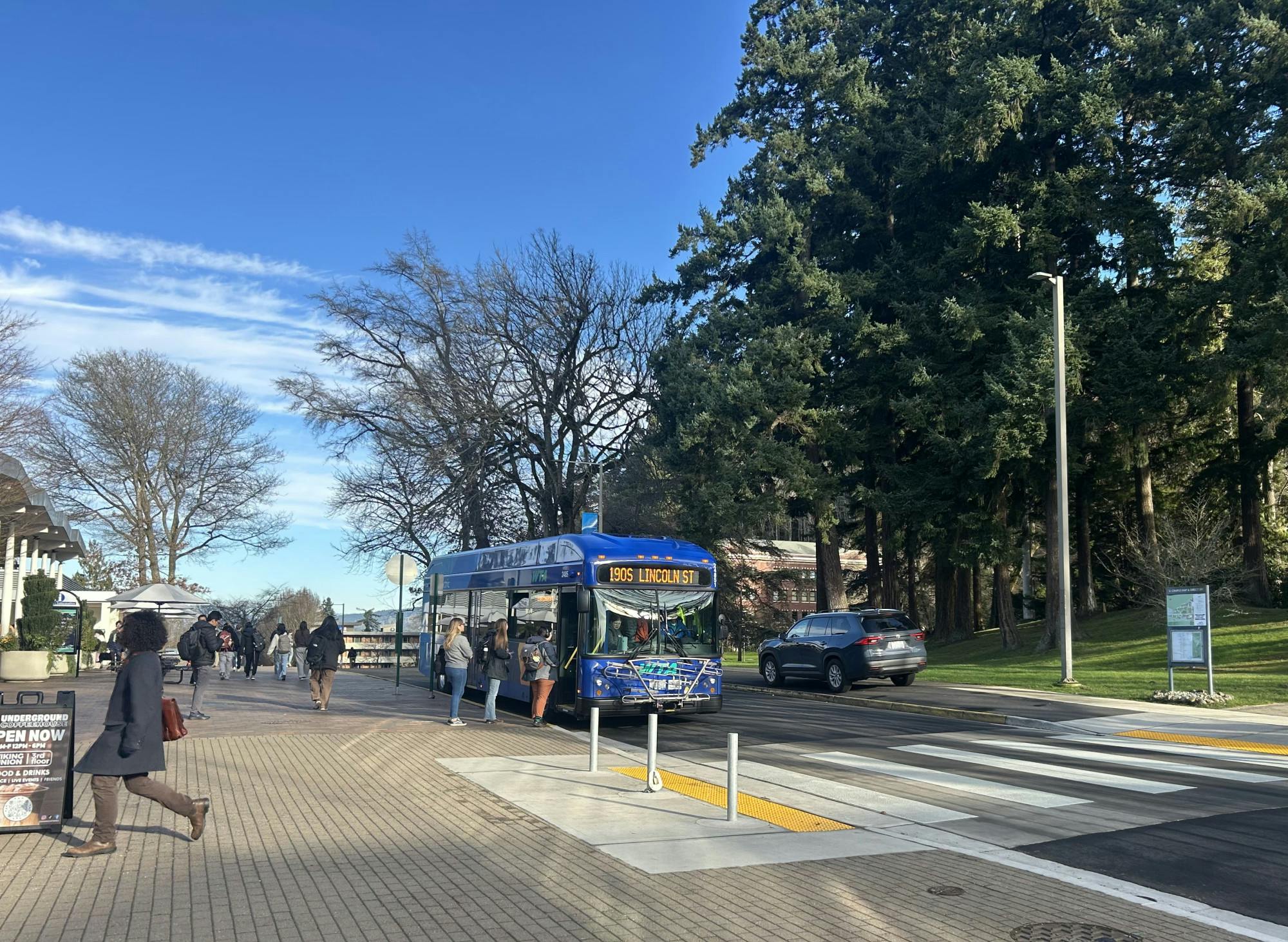
Under the current contract, Western pays WTA a set fee of $600,000 each quarter through student transportation fees, giving students unlimited rides.
If the contract discontinues next fall quarter, students would no longer qualify for unlimited bus passes. Instead, students would fall under WTA’s fixed-route reduced fares, which would require them to pay $1 per ride, with a fare cap of $6 each day and a $30 monthly fare cap.
Although paratransit riders would qualify for reduced fare on fixed-route buses, they would still have to pay $3 per paratransit trip, McCarthy said.
“I’d be disappointed because it’s extremely helpful to have (a bus pass), and I don’t have to worry about finding parking somewhere and spending the money on the parking pass each quarter,” said Hannah Fairbanks, a recent third-year Western transfer student.
Many students use WTA as a primary resource for travel around Bellingham, to campus and for grocery shopping, which would become increasingly difficult without the bus passes, according to Downing.
“It will make the broader Bellingham community less accessible to students,” Downing said.
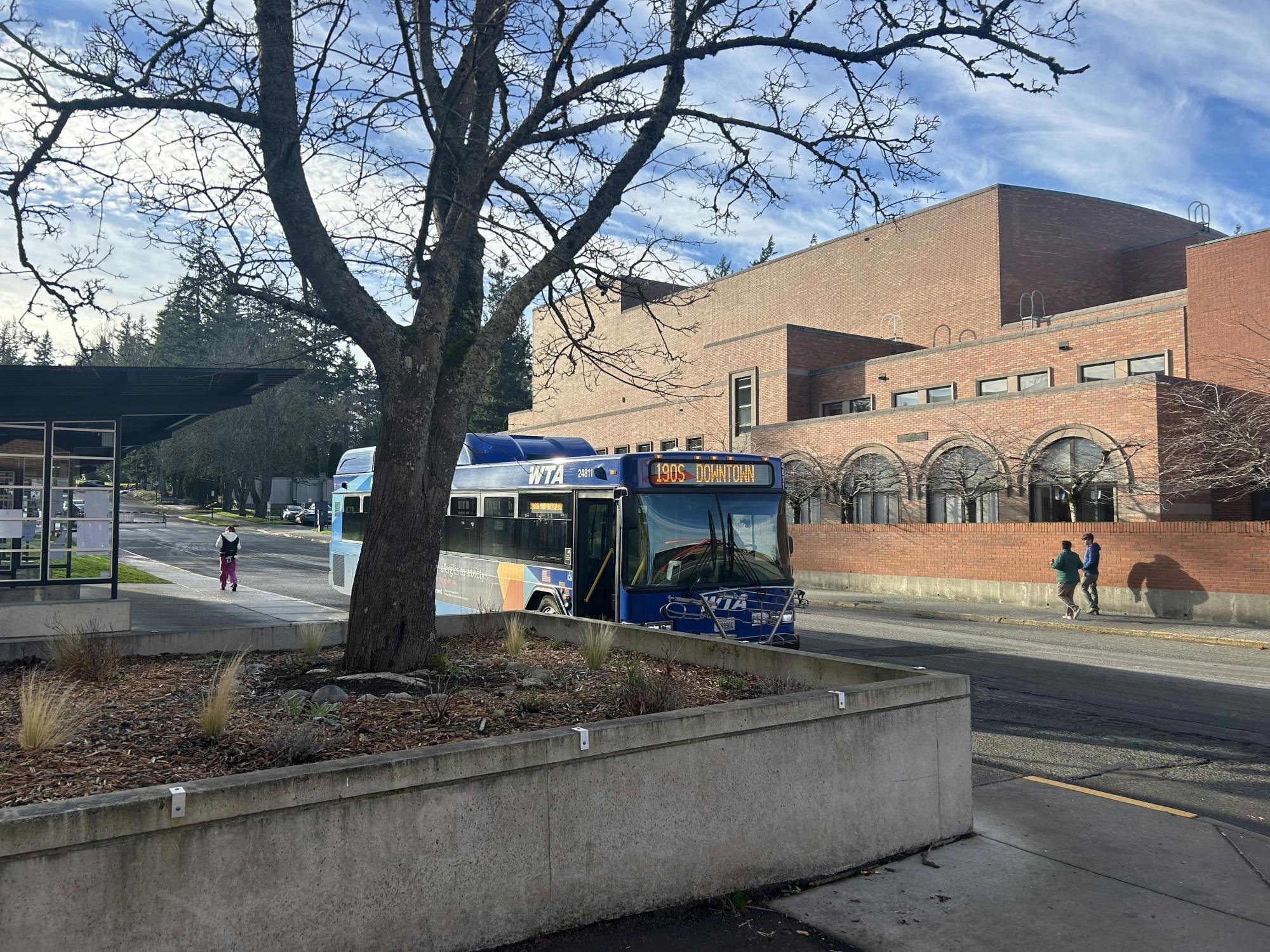
WTA holds a strong interest in continuing the universal passes and are trying to figure out a price in everybody’s best interest through negotiations. It's still unclear when both parties will receive full approval from each side, but they’re striving to have an agreement by the end of March, according to McCarthy.
“We are really aligned as far as wanting the bus to be the primary way that students get to campus,” McCarthy said.
Uncertainty still lies regarding where negotiations between WTA and Western will lead, but the YDSA is working toward a far-free solution where everyone would benefit.
With the help of the non-profit Community First Whatcom, YSDA discovered that only 3.7% of WTA’s revenue budget in 2025 is made up of fares, and has been working together on alternative funding sources. This would allow WTA to go fare-free within Bellingham, Downing said.
“We're currently in the process of writing a proposal to create a pilot program within Bellingham specifically, that would be like a fare-free pilot,” Downing said.
Students who may be impacted by the outcome of the negotiations between WTA and Western are encouraged to seek guidance and support from the DAC, said Rumsey-Richardson.
Katherine Konicke-Dunlop (she/her) is a city life reporter for The Front. She is in her second year at Western, this is her second quarter writing for The Front and she is majoring in news/editorial journalism. Katherine can be spotted out hiking, on long walks around town or with her eyes glued to a book in her spare time. You can reach her at katherinekonickedunlop.thefront@gmail.com.