

While administrative plans are underway to help Western Washington University reach carbon neutrality, student engagement and awareness are equally vital pieces to that movement.
When Western introduced its Sustainability Action Plan in 2017, it announced the goal of achieving carbon neutrality by 2035. With the halfway mark of that timeframe fast approaching, questions remain about the role of students in that process.
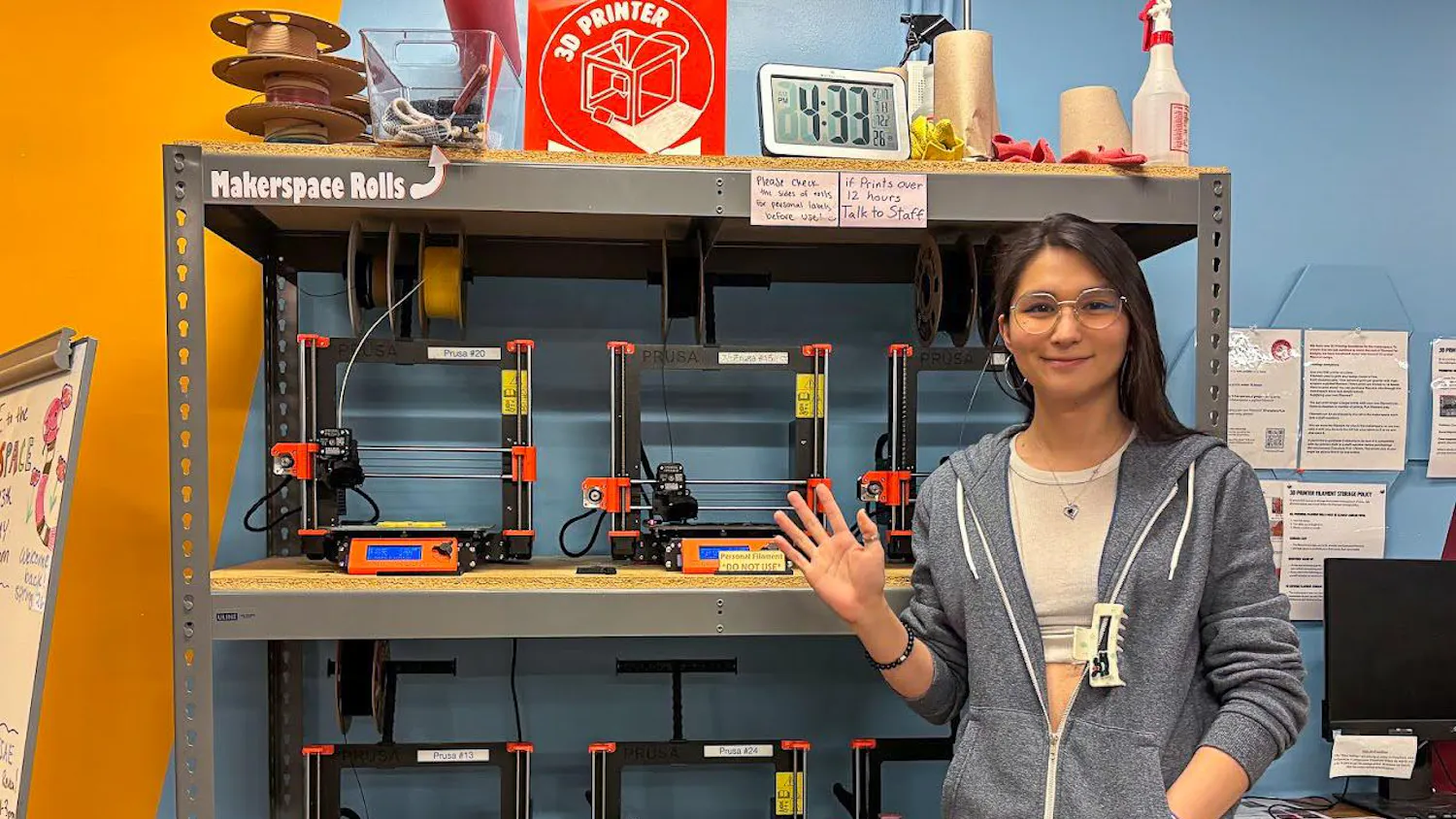
As the Associated Students Vice President for Sustainability, Daron Skinner serves as a bridge between students and Western’s sustainability planning efforts.
Her role includes representing student perspectives on the president’s Sustainability Council and contributing feedback to the Sustainability Action Plan, which is currently being updated.
“I’d say more outreach really needs to be done around sustainability-related efforts,” Skinner said. “There are some concentrated groups on campus who really care, but we have a lot of freshmen and sophomores who are just coming in and don’t understand what Western is working on sustainability-wise.”
While much of Western’s carbon neutrality work takes place at the administrative level, Skinner said students are increasingly trying to create spaces for collaboration. She is currently working to form a student sustainability coalition, a group meant to connect sustainability-focused clubs and projects across campus.
“Its aim is to be a meeting place for sustainability leaders in clubs on campus to collaborate, because a lot of the clubs on campus right now are working on similar projects. It would be nice to have more communication there,” she said.
Western uses the Sustainability Tracking Assessment and Rating System (STARS) – along with over 300 other higher education institutions – to track its sustainability progress. Western self-reports sustainability data to the STARS program, which scores and rates it. In 2023, Western earned a silver rating, the second out of four ratings.
Western has been a silver rating all three years that it has reported STARS data – 2023, 2019 and 2013. It is completing the evaluation again this year, and aiming for a gold rating, according to its website.
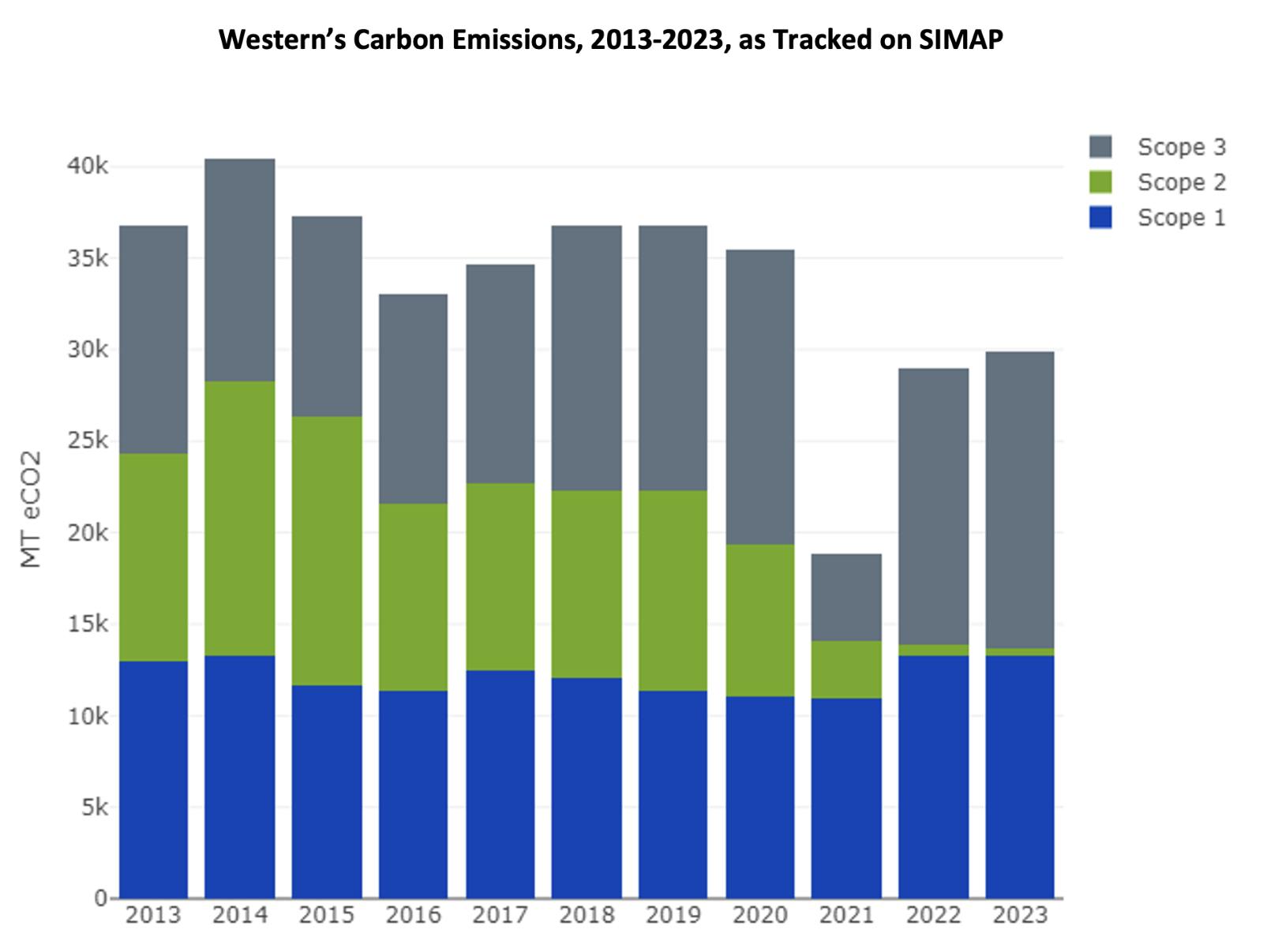
While its rating has stayed the same, some progress has still been made towards carbon neutrality. In 2013, Western’s carbon emissions were around 36,000 metric tons, and it has fallen to about 30,000 metric tons, according to its self-reported data.
Julian Dautremont, director of programs at the Association for the Advancement of Sustainability in Higher Education, said he hopes to see more students engaging directly with the reports.
“Once a STARS report is published, it’s public on our website,” Dautremont said. “One important role of students is to look at the data that their institutions have submitted and see if it aligns with their expectations.”
Because the STARS data is self-reported by universities, anyone who reviews the reports can file an inquiry if something seems inaccurate or incomplete based on their experience.
Western’s administration continues to move forward with carbon neutrality efforts, but progress depends on continued transparency and participation from the wider campus community.
For Skinner, that accountability starts with the awareness and perspectives of students.
“Students know what their community wants,” Skinner said.
Ellie Wright is a second-year at Western studying News/Editorial Journalism and Political Science. As a reporter for The Front, she writes about campus news. When she’s not chasing stories, she enjoys reading, hiking, and taking care of her houseplants. You can reach her at ellie.thefront@gmail.com.