

By Jack Taylor
“If you deny people their own voice, you'll have no idea of who they were.”
Alice Walker
That quote speaks volumes to the message Alice Walker embodies in her work. Known for dynamic and raw depictions of black women in America, Walker, author of the Pulitzer Prize-winning novel “The Color Purple,” stands as a testament to the power of literary fiction and the ability to rise above life's hardships. Born on February 4, 1944, in Putnam County, Georgia, Walker was the eighth child of sharecroppers.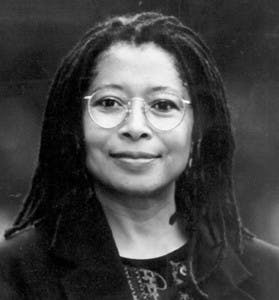
 Credited with coining the term “Womanism,” Walker strove to create a word for black women that would be uniquely their own.
In Clenora Hudson-Weems book, “Africana Womanism: Reclaiming Ourselves,” Hudson-Weems details Walkers intentions with Womanism. Weems is a popular African-American author and professor who is best known for debating the ideals of black feminism.
Weems discussed how Walker believes a Womanist is a black feminist who loves other women and men and values women’s culture.
“Committed to survival and wholeness of entire people, male and female, Womanist is to feminist as purple to lavender,” Weems writes.
Walker remains a legendary force in the literary community, writing other novels such as “Meridan” in 1976 and “Possessing the Secret of Joy” in 1992.
Walker’s work and legacy of creating literary content that sparks conversation is perhaps best summed up through one of her lines from “The Color Purple” itself.
“The more I wonder, the more I love.”
Credited with coining the term “Womanism,” Walker strove to create a word for black women that would be uniquely their own.
In Clenora Hudson-Weems book, “Africana Womanism: Reclaiming Ourselves,” Hudson-Weems details Walkers intentions with Womanism. Weems is a popular African-American author and professor who is best known for debating the ideals of black feminism.
Weems discussed how Walker believes a Womanist is a black feminist who loves other women and men and values women’s culture.
“Committed to survival and wholeness of entire people, male and female, Womanist is to feminist as purple to lavender,” Weems writes.
Walker remains a legendary force in the literary community, writing other novels such as “Meridan” in 1976 and “Possessing the Secret of Joy” in 1992.
Walker’s work and legacy of creating literary content that sparks conversation is perhaps best summed up through one of her lines from “The Color Purple” itself.
“The more I wonder, the more I love.”