

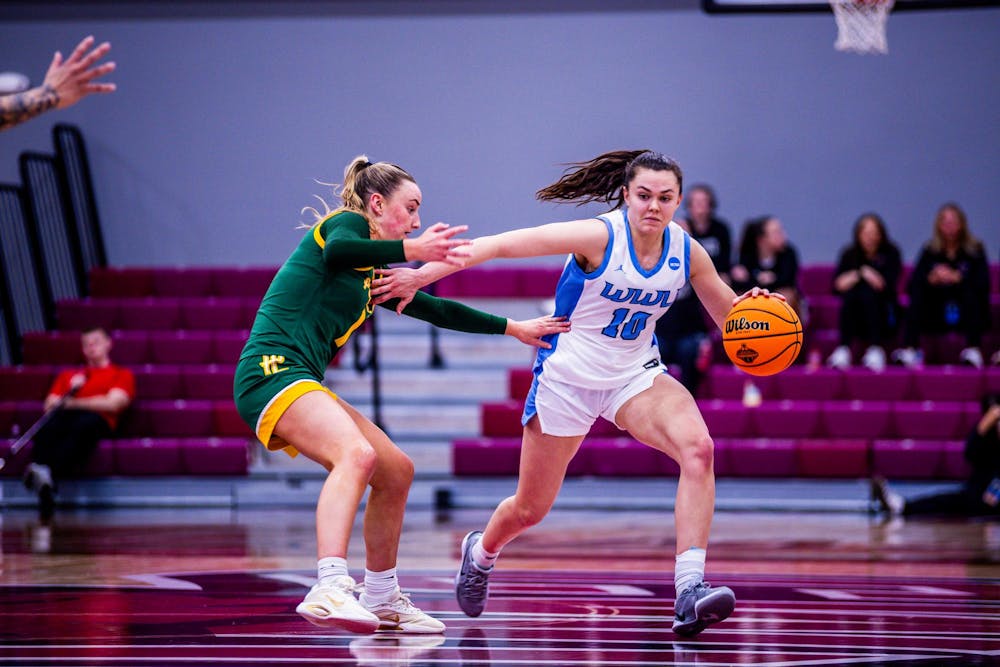
Collegiate sports are a commitment for student athletes, but the devotion to the sport doesn’t end with the regular season. The offseason is important to athlete success and overall skill work as well.
No matter the sport, collegiate athletics require a big commitment of time and effort. The regular season involves juggling classes with games and practice. On top of other life aspects such as housing, classes and working outside of school. This dedication to the sport continues into the offseason.
Goalkeeper for Western’s men’s soccer team, Quinn Sappington, said being a student athlete is a big obligation between the rigorous workouts and conditioning his team takes part in throughout the winter and spring. Sappington said the training during the winter is more focused on getting fit rather than the game itself.
“The lifts are pretty intense, especially after the first ease-in week where the freshmen and new guys get used to the intensity of the lifts,” he said.
According to Joy Haltom, a guard for Western’s women’s basketball team, offseason training is like a full-time job.
“When you're not in school, you're in the gym; if you're not in the gym, then you're probably sleeping at home,” Haltom said.
The nitty-gritty of offseason training varies depending on the sport and athlete. Stacey Turnell, an assistant coach for Western’s women’s basketball team, said that for her athletes, it's helpful to have sit-down conversations going into the next season with each player. This allows them to decide together what their focus in the offseason should be.
“It just depends on what they need,” she said. Each workout plan is tailored to the individual, from fitness goals to focusing on ball handling and shooting.
Chris Connolly, a professor of kinesiology at Washington State University, said it’s critical for high-level performing athletes to continue with training while they're not competing. It allows them to pick up where they left off when they return to the normal season of play.
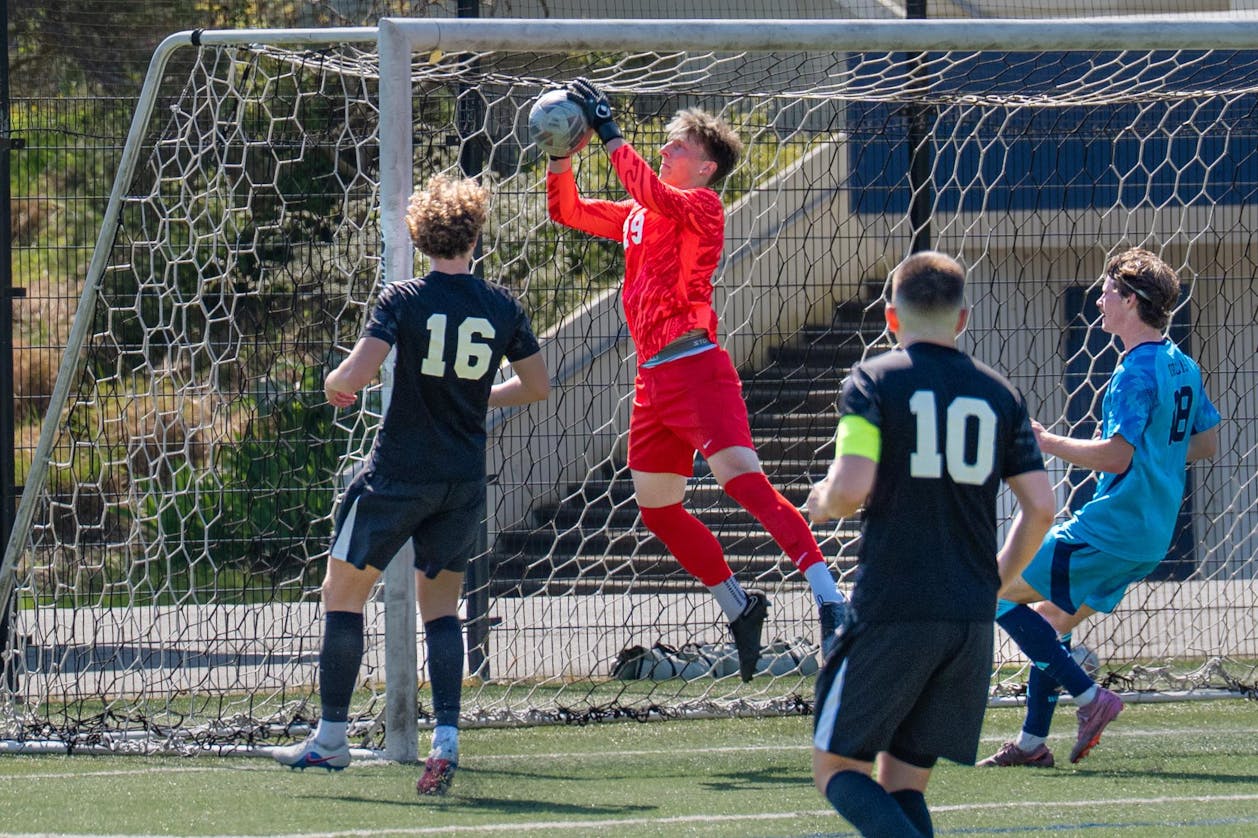
For the men’s soccer team, spring ‘friendlies’ allow for continued play during the offseason. These games are not a part of the fall championship season and are not counted for placement. Rather, these games offer a chance to try out new formations and positions. Spring ‘friendlies’ give the chance for coaches and players to test possible changes to see if they work well for the team.
Head Coach Greg Bisbon said that with options for summer competitive play outside of Western during the summer across the country, many players can remain in shape even without the structured training at Western. Allowing for an easier transition back into play for Bisbon when they return to play in the fall.
Sappington admits that he misses playing the sport when not in season but likes the time off.
“It is nice to have a break going into summer to do what you want to do,” he said.
During the offseason, Western Volleyball Head Coach Diane Flick-Williams focuses on preparing her athletes physically. In an email, Flick-Williams wrote that her goal is to create balance within the body to ensure injury prevention and increase overall strength and endurance. This training is done as a team, but the intensity is individualized based on ability level.
Seen across the teams at Western, focusing on building strength and physical abilities while not in season is key to overall success when in-season. Offseason training is difficult and physically demanding, but it is an important part of being a high-performing athlete. Bisbon has seen that athletes who take the game seriously view this time off with the same level of importance.
Violet Mills (she/her) is a sports and recreation reporter for The Front. She is in her second year at Western and is a double major in journalism public relations and communication studies. When she isn't hunting down the latest news, she is usually working out at the rec center or spending time outdoors with her friends. You can reach her at violetmills.thefront@gmail.com.


