
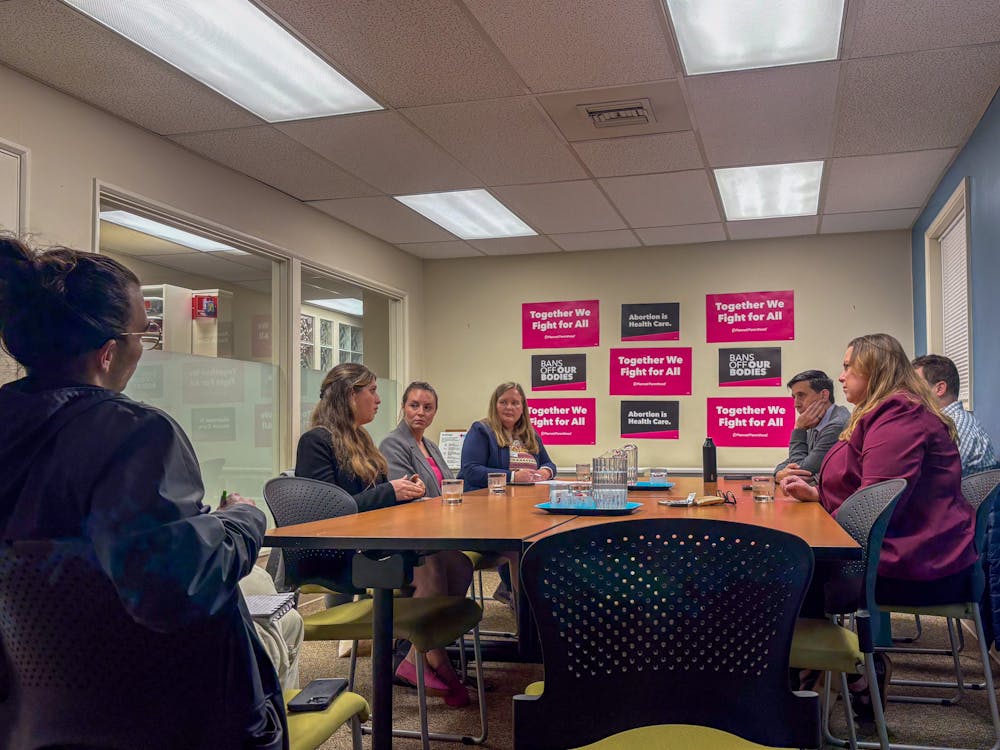
For many women and gender-diverse students at Western Washington University and Washington state, access to reproductive healthcare is more than a clinic appointment; it's a lifeline. But federal cuts to Planned Parenthood, coupled with shifting state funding, are reshaping who can access care, when and how.
On March 31, 2025, the Trump Administration began withholding Title X, also known as Title 10 funding, which provides family-planning support from Planned Parenthood. Nearly a quarter of all 86 Title X service grants awarded nationwide for fiscal year 2024 were affected, with 16 grantees immediately barred from accessing program funds, representing a significant disruption in reproductive health services.
In Washington, several Planned Parenthood affiliates rely on this funding. According to the Guttmacher Institute, the withholding could impact up to 30% of Title X patients nationwide — about 834,000 people — disproportionately affecting marginalized and low-income communities.
Elizabeth Montoya, the lead project coordinator for Repro Futures, an independent project that has the Whatcom Peace and Justice Center’s support, mentioned that the defunding of Planned Parenthood sparks concerns, especially for patients who rely on their services for birth control, STI testing, cancer screenings and abortion care.
“The federal cuts to Planned Parenthood have created a huge gap in basic reproductive and sexual healthcare across the country,” Montoya said.
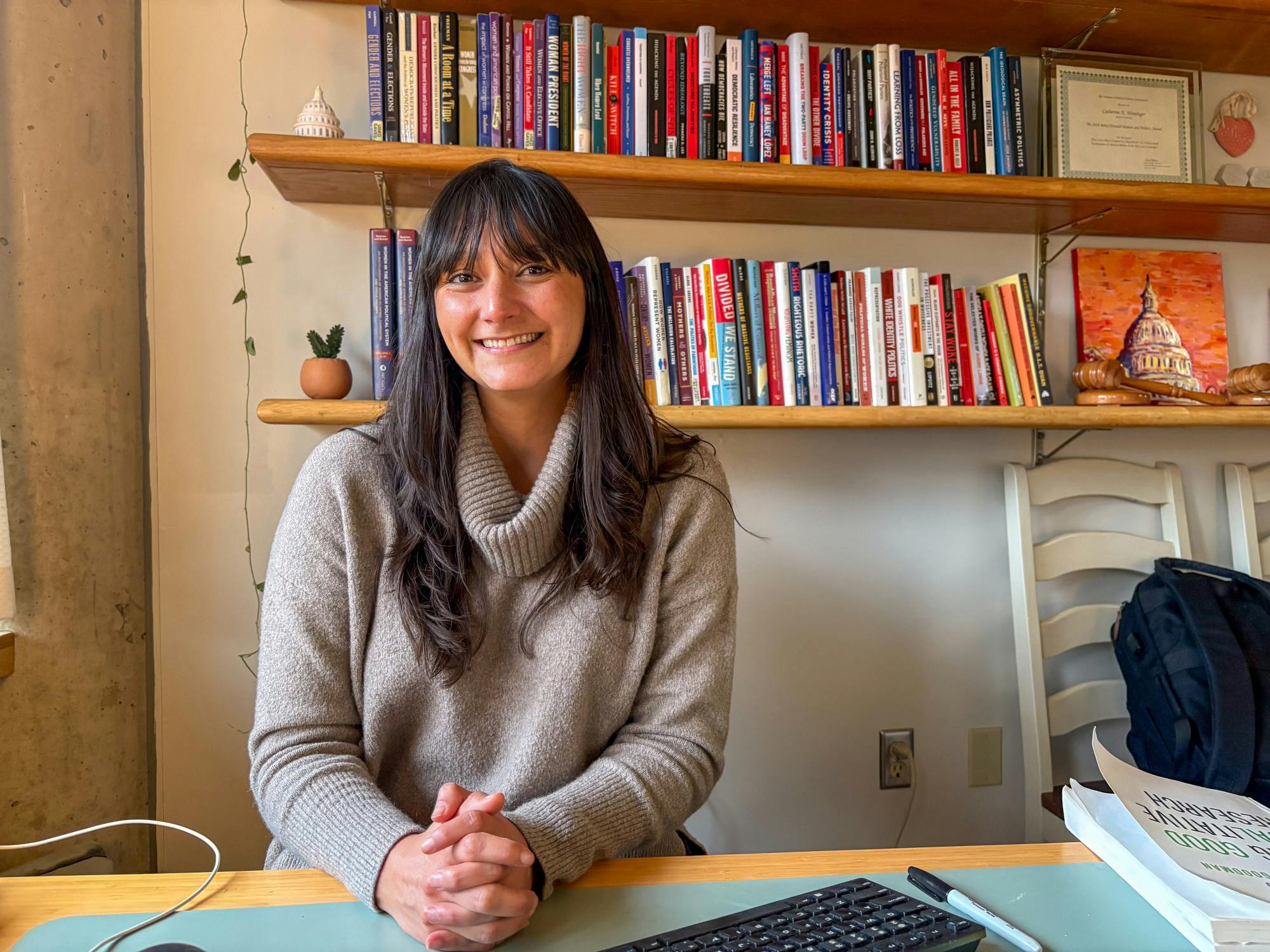
In July 2025, Washington state Governor Bob Ferguson announced that Washington would cover the loss in federal Medicaid funding to Planned Parenthood using state dollars, backing up an estimated $11 million in federal cuts. Political science professor Cathy Weininger noted that while this decision protects care in the short term, it also underscores how federal cuts force states to reallocate limited resources, a tension that could strain other essential projects moving forward.
“Taking a step back and looking kind of at the big picture of federalism, I think we are definitely in a moment where the cuts the federal government is making is putting a lot of pressure on state governments in blue states,” Weininger said. “So that definitely is taking away resources that the state could use for other things.”
For college students, access to reproductive health care isn’t just about whether a clinic exists. Many face practical barriers like cost, scheduling and stigma. The 2023 study by the National Institutes of Health found that 68% of students reported access barriers in general healthcare settings, and 50% reported barriers even when using their campus Student Health Center.
Alexa Chiechi, a Western Student and feminist activist, shared her personal experience with reproductive health care, explaining that she had used Planned Parenthood services in the past, including receiving a copper IUD, which she removed in May. Chiechi emphasized the broader implications of the recent changes, especially its effects on women's autonomy.
“I think it threatens the overall health of a lot of women and the fact that reproductive rights are something that we still argue or that we were able to vote on, shows why these cuts are wrong,” Chiechi said.
Chiechi also shared her essay, “Woman,” on feminism. The piece examines systemic barriers women face in accessing reproductive healthcare and highlights how modern activism can help address these inequities.
Planned Parenthood services extend beyond traditional health clinics; the organization also supports more than 350 campus groups through its Generation Action network, mobilizing students for reproductive justice on college campuses.
Neva Perez, president of the Planned Parenthood Generation Action club at Western, expressed concern that declining federal funding and donations could threaten the organization’s ability to provide care to low-income and uninsured patients, a cornerstone of its mission.
“The worry is that if we don’t have federal funding and we’re getting that lower donation rate from just individuals in the community, then we’re running out of money to be able to provide care for people who need it,” Perez said.
Perez's concerns reflect the broader challenges Planned Parenthood faces nationwide, particularly with federal funding cuts. Yet, local leadership has stepped in to help fill the gap.
The federal law’s one-year moratorium on Medicaid funding for Planned Parenthood has left fear and anticipation for longer-term effects. Though Washington state has committed to covering the gap for that year, Planned Parenthood is hopeful.
For this fiscal year, everything is situated and running smoothly. Eowyn Savela, vice president of public affairs at Planned Parenthood of Greater Washington and North Idaho, emphasized that state support is maintaining access to care in the region.
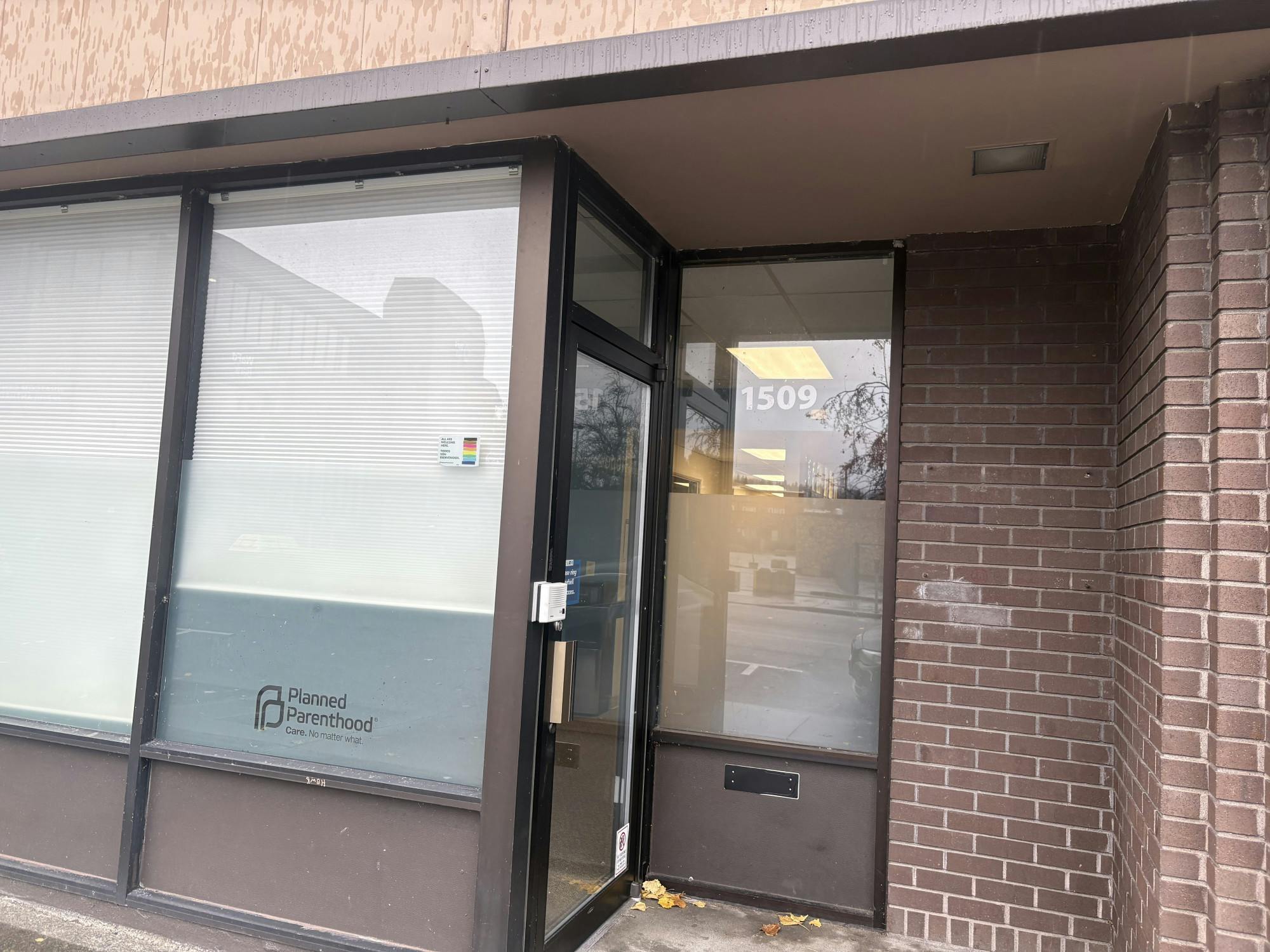
“Our Planned Parenthood health center in Bellingham and others across the state remain open and welcoming to Western students and anyone else seeking reproductive health care, including abortion care, birth control, STI testing and cancer screenings," Savela said.
Mabaindu Mbawa (she/her) is a senior at Western, majoring in Journalism (News Editorial) and minoring in Political Science. Outside of reporting, she enjoys writing poetry, storytelling, styling, and taking photos. You can reach her at mbawam.thefront@gmail.com