
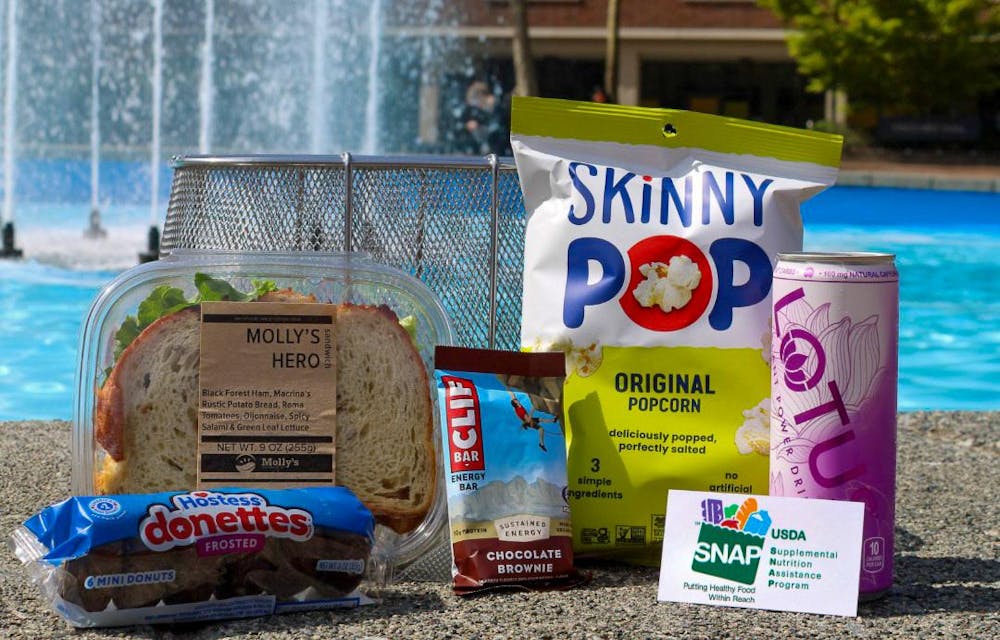
Western Washington University students and staff can now use their Supplemental Nutrition Assistance Program benefits at Miller Market to purchase groceries and grab-and-go snacks. This change, which became effective on April 20, 2026, is a step toward improving food security on campus.
SNAP is a federal program that provides food assistance, with funds loaded on an Electronic Benefits Transfer card for convenience. Foods such as fresh fruits and vegetables, dairy products, bread, pantry items, and refrigerated or frozen meals are covered by SNAP, according to the U.S. Department of Agriculture’s Food and Nutrition Service.
Miller Market was chosen because of its wide range of grocery-style, SNAP-eligible items, according to Alexandra Perez, senior marketing manager for Dining at WWU.
This change has been in development for several months, allowing time for authorization, infrastructure setup, staff training and coordination with campus partners, Perez said. She explained that Dining at WWU is hoping to help normalize access to essential food resources on campus.
Currently, Miller Market is the only on-campus location accepting SNAP benefits. Expansion opportunities continue to be evaluated, according to Perez, but the current focus is on a successful rollout for Miller Market.
Perez reported receiving early positive feedback from students on the new SNAP-accepting campus location.
“I thought it was pretty cool,” said Ahnalyse Glenn-Leufroy, a Western student and SNAP user. “(SNAP has) been really helpful. It’s just another expense I don’t have to worry about.”
Students and staff can lower the time and transportation costs previously required to purchase food with their benefits, reducing financial strain as campus food insecurity rates rise.
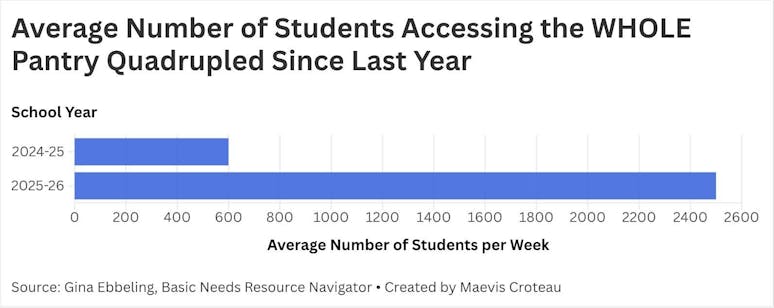
The WHOLE pantry, which offers free food and hygiene products, has more than quadrupled the number of students they serve each week since last year, according to Gina Ebbeling, basic needs resource navigator.
For some students, the ability to use their SNAP benefits on campus can be the difference between getting a meal or going without, according to Ebbeling.
“Food is an essential need for everybody,” Ebbeling said. “It can only be a positive that we’re accepting EBT. I think it’s great news.”
Additionally, access to nutritious food directly supports academic performance, Ebbeling said. One’s ability to think clearly, feel energized and pay attention are all affected when basic needs aren’t met.
Food insecurity at the college level is also correlated with lower graduation rates, according to a study published by the Johns Hopkins’ Bloomberg School of Public Health in 2021. The research found that food-insecure students were more than 40% less likely to graduate from college than their food-secure peers.
To combat food insecurity, Ebbeling said students should ask for help, use resources such as the Bellingham Food Bank and learn to budget.
Students and staff who are curious about SNAP or facing food insecurity can learn more about eligibility and apply at the Washington State Department of Social and Health Services, the Washington Connection or by making an appointment with Ebbeling at Western’s Basic Needs Hub.
“You deserve to be eating nutritious food every day,” Ebbeling said. “You’re not alone in this challenge.”
Maevis Croteau (she/her) is a first-year reporting student and campus news reporter for The Front this quarter. When she doesn't have her face glued to her laptop, she's usually out enjoying a sunset or staying up ridiculously late to cuddle with her hamster, Bolt. You can reach her at maeviscroteau.thefront@gmail.com.