
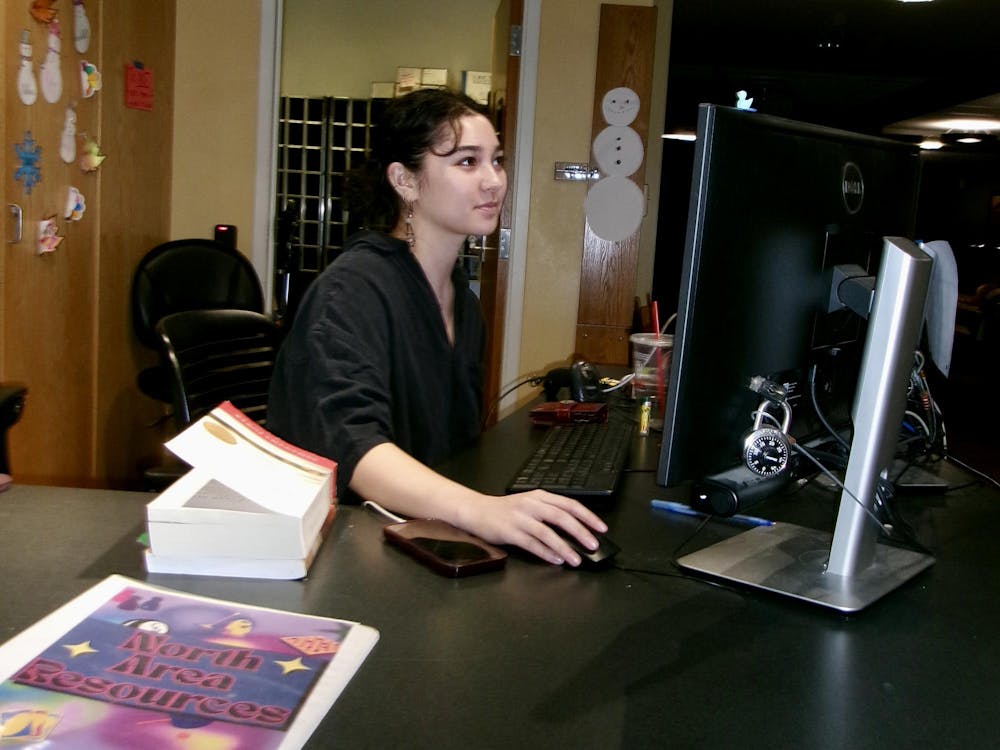
At Western Washington University’s north area front desk, winter quarter moves quickly. Students tap their ID cards, ask for packages and leave within seconds. Those brief exchanges add up to lengthy shifts of emotional labor for Samantha Andry, one of the student employees behind the desk.
“Since students don’t always know where their resident advisors (RA’s) are, they always know where we’re going to be when we’re open,” Andry said.
An RA typically has time set aside for their residents to answer any questions or concerns they might have in their residence hall, their academics or student life at Western. Andry, during a typical shift at the desk, speaks to students at work with concerns beyond their job description.
“We aren’t necessarily qualified, but we still get people who ask us for help,” Andry said.
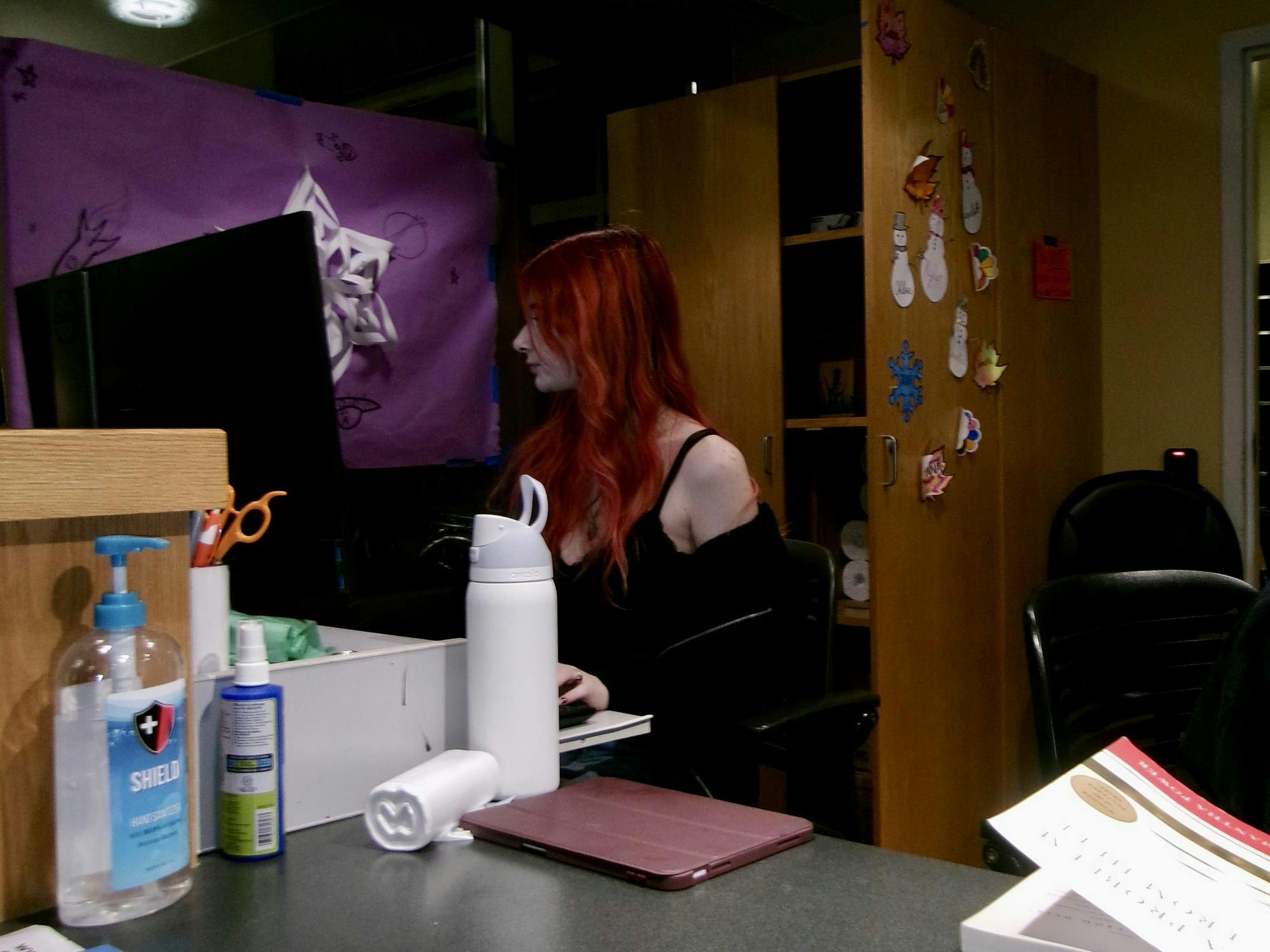
Students' capacity to cope with stress can be hindered by seasonal factors and reduced social activity. Bekah Thompson, a counselor at Western, noted that students consistently report higher levels of stress and emotional labor during the shorter timeframe of the winter quarter.
“Less time definitely equals higher stress,” Thompson said. “Anything where you feel responsible for other people has an extra stress.”
Lily Kraft, a University Residences care specialist, reaffirms that there are solutions available for student employees who feel this way. While there are many student services available, student workers don’t always use them.
“We are student services for residential students, so that should include student staff because they live on campus as well,” Kraft said. “We can point out the resources that they've been telling their residents, but tell them you need to access these things too.”
Students are given time to meet with their supervisors once a week. Kraft says this meeting is a place where students are able to tell them what they’re struggling with around the job.
Another student working at the north area front desk, Olivia Corcoro, thinks students are often frustrated and that many interactions feel abrupt and transactional.
“They’re kind of rude to us,” Corcoro said. “There’s no ‘hello, how are you’; it’s just ‘give me this,’ which is very off-putting.”
Although desk attendants do receive training, Corcoro said they receive limited preparation for emotionally heavy situations.
“We mostly are trained on just being nice to students,” Corcoro said. “We don’t get trained on crisis situations.”
Katie Olvera, a psychology professor at Western, said student workers in student-facing roles are more susceptible to fatigue if they lack strong boundaries or supervision. She explained that student workers can often be more susceptible to outside pressures and burnout.
“Working as a helper can result in folks feeling emotionally drained, shut down, and even numb,” Olvera said. “These boundaries are difficult to set and protect.”
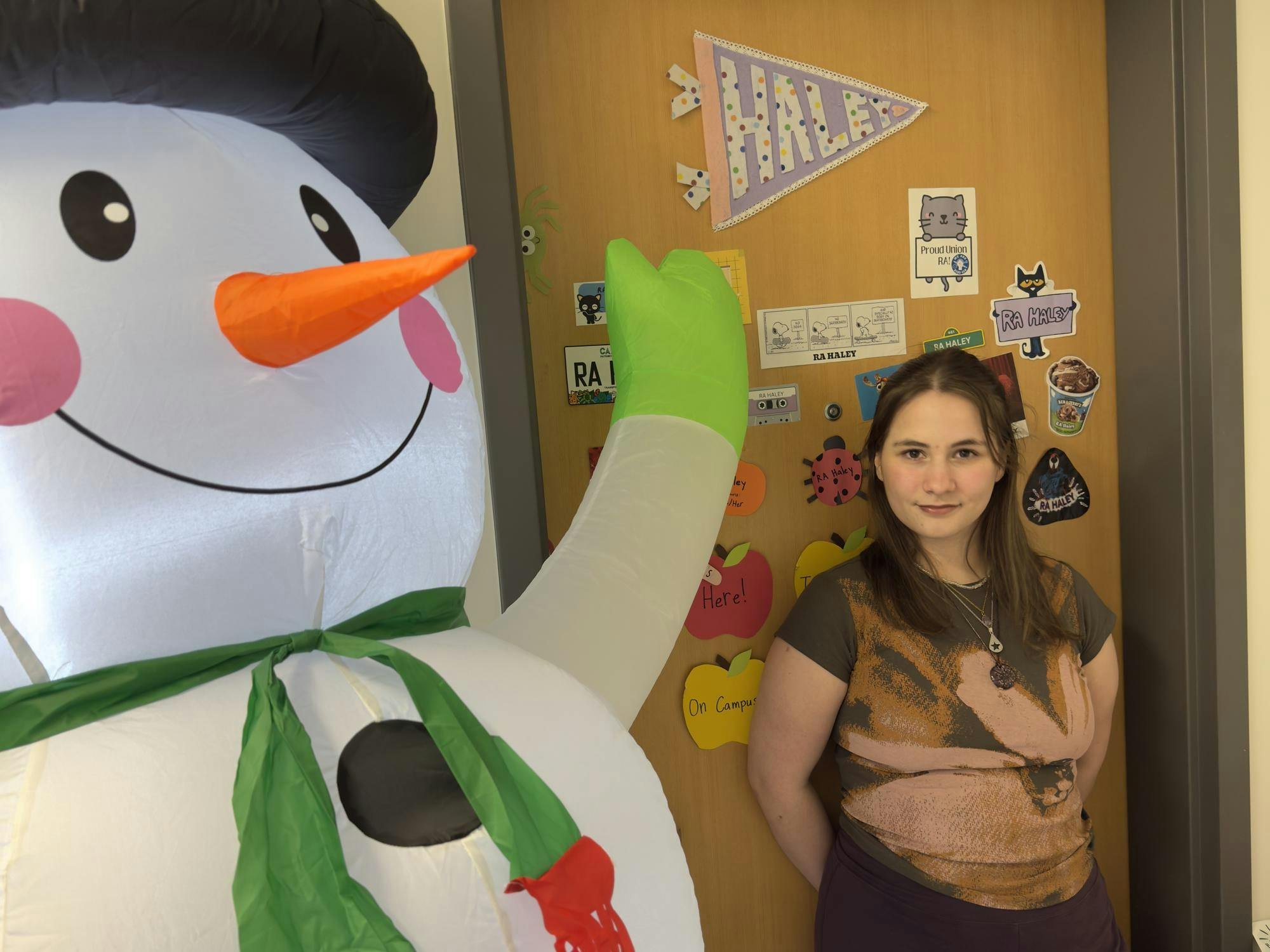
In residence halls, RA’s often handle similar pressures with their residents' emotional concerns. Haley Meerdink, an RA at Western’s Alma Clark Glass Hall, said she interacts with at least half of her residents every week.
“For actual help, people come to me about five times a week,” Meerdink said. “A lot of the time, it’s interpersonal things.”
Balancing academic responsibilities with the emotional demands of the job can create internal pressure for Meerdink, even when supervisors emphasize that school should come first.
“You definitely feel guilty because you are there to help people,” she said.
Willow Heidt, a representative with the Western Academic Workers Union (WAWU), said many student workers are turning toward collective action for support and contacting the union with concerns about financial security. She explained that winter quarter often heightens those concerns as students juggle rent, groceries, and tuition alongside their coursework and employment.
“These jobs are not just ‘fun money’ jobs. These jobs are serious,” Heidt said. “Most of the time, people are nervous about changes in their wages and how that affects them.”
WAWU advocates for student workers through collective bargaining agreements and creates community among student workers who may otherwise feel isolated.
“What helped me most was getting to know my coworkers,” Heidt said. “We would have no way of knowing each other if we didn't both commit some time every week to being a part of our participatory democracy of our union.”
Remembering the significance of the work done as a student worker is also crucial. These jobs have more impact on campus than just the responsibilities listed in the job description.
“You're doing so much more than on-call work; you're making and building a community within that space,” Kraft said.
Cody Sauter is a third year at Western studying PR and journalism. As a reporter for The Front, he writes for campus news. When he's not working, he enjoys reading, dancing with Western's SINI-HHA and watching movies with friends. You can reach him at codysauter.thefront@gmail.com.