
As ballots were cast and deadlines closed for the General and Special Elections on Nov. 4th, it wasn’t just another busy stretch for students on Western Washington University’s campus — it was the final push before Election Day.
Yet many students still found the voting process confusing, inconvenient, or easy to overlook amid midterms and a packed quarter.
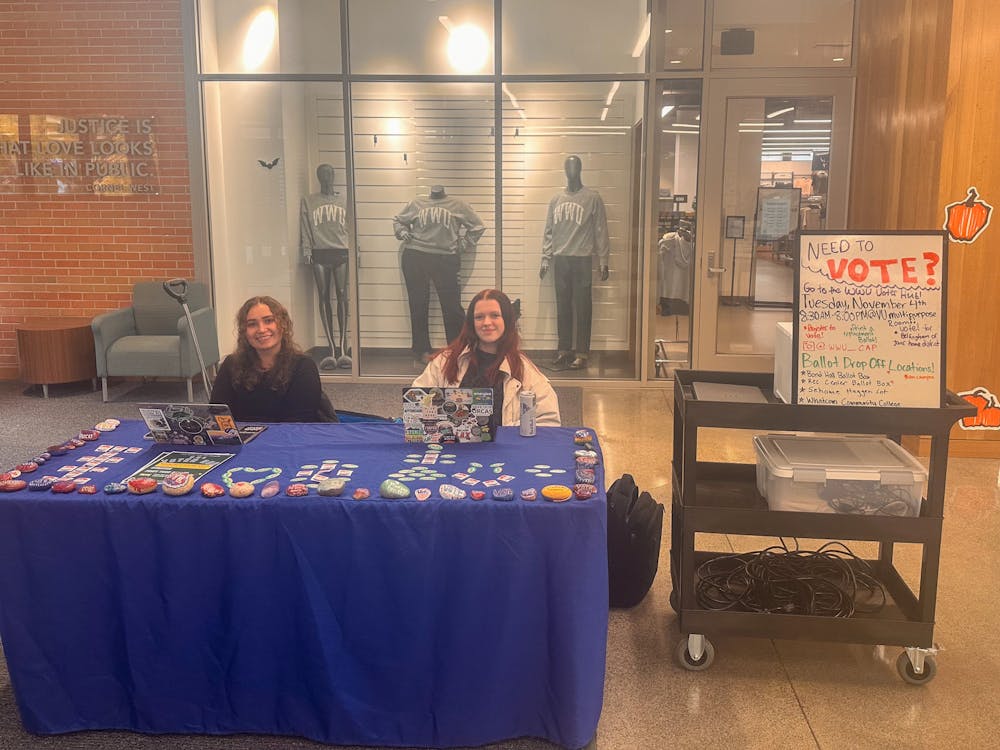
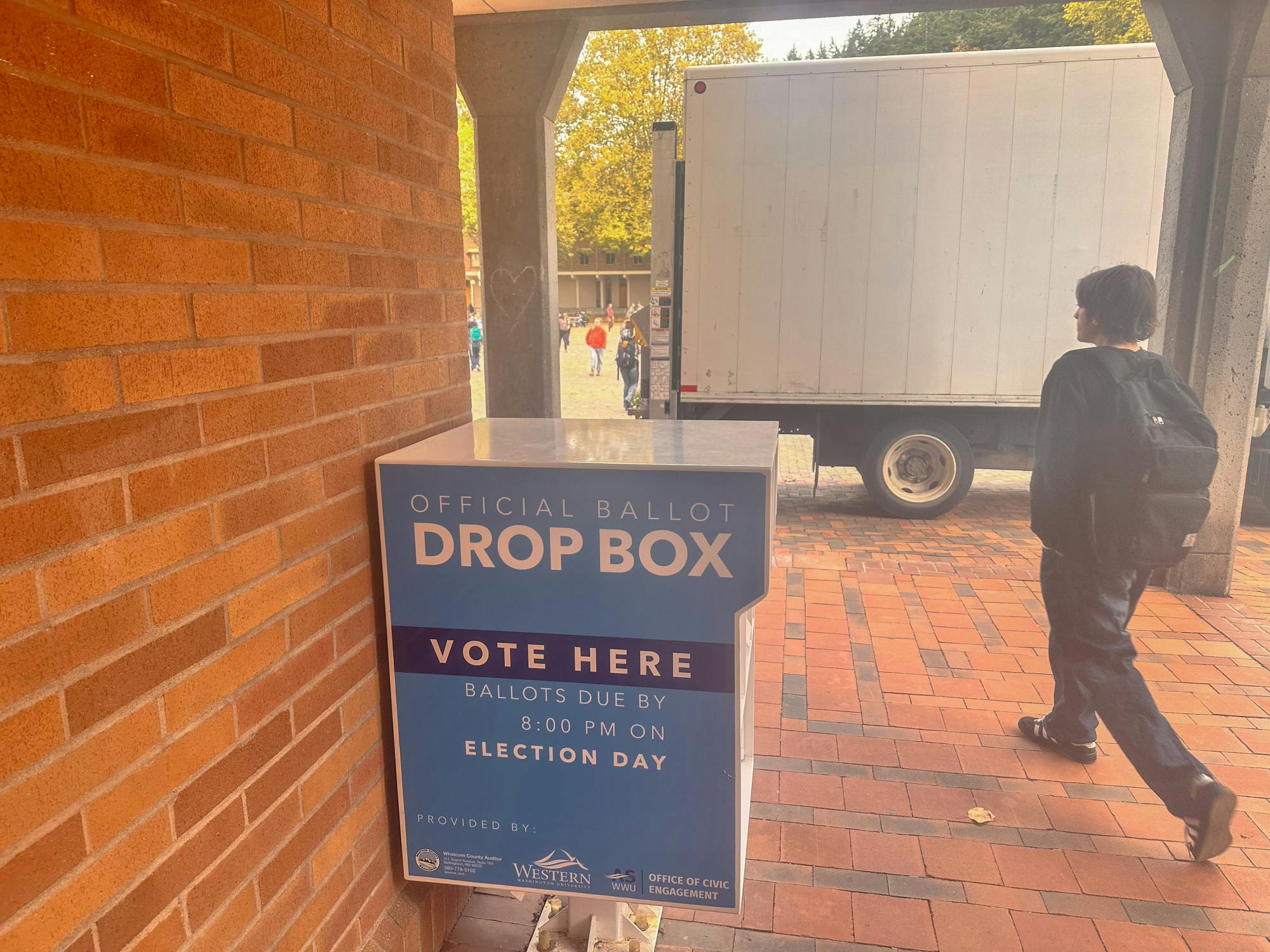
That’s why organizations like the League of Women Voters of Bellingham-Whatcom County stepped up where institutions fell short. In the days leading up to Nov. 4, volunteers tabled in Red Square and inside the Viking Union, helping students register, locate ballot drop boxes and replace missing ballots.
“There’s a lot of obstacles to voting when you are a student because life transitions make it difficult,” League President Eileen McCracken said.
She was right — and that was part of the problem. For a country that prides itself on democracy, voting shouldn’t feel like an obstacle course for anyone, especially young people who are just learning how to participate.
The League of Women Voters, founded in 1920 by women’s suffragists, have long championed civic participation. But this year, their presence on college campuses felt less like outreach and more like emergency support. In an off-year election, when turnout typically drops, students often rely on these volunteers just to navigate a system that wasn’t built with them in mind.
Third-year political science student Sophie Nguyen experienced that confusion firsthand. After moving to Bellingham, she almost missed her chance to vote.
However, McCracken has solutions. “Students who have moved and not gotten their ballots can go into the student union, change their address and get a new ballot even as late as tomorrow on Election Day,” she said.
“I didn’t realize how complicated it would be to vote from college,” Nguyen said. “If there (hadn’t been) so many people tabling on campus helping students print ballots, I probably would’ve missed the deadline.”
That was a striking reminder that accessibility isn’t just about physical spaces — it’s about whether students can take part in decisions shaping their futures without unnecessary barriers.
And while some students, like environmental science major Yousif Rivera, said they felt exhausted with the political system, that was all the more reason outreach mattered.
“I’m pretty burnt out politically over the last few years,” Rivera said. “But honestly, seeing volunteers out here helping students vote reminded me that local elections still matter.”
Rivera’s honesty hit on something bigger: civic fatigue is real. But democracy doesn’t work when only the most energized show up. When local races decide funding for housing, climate policy, and education, students can’t afford to sit out.
If anything, Western should be doing more to make voting seamless — integrating registration into student portals, offering ballot drop-off reminders, or hosting more on-campus voting stations every election.
Until then, it’s left to organizations like the League of Women Voters to make sure students don’t fall through the cracks, because voting shouldn’t depend on who happened to have a folding table in Red Square last week.
Devin Green (He/They) is a third-year Journalism major and Opinion reporter for The Front this quarter. When he is not double-emailing interviewees, Devin is community organizing, reading or sleeping. You can reach them at devingreen.thefront@gmail.com.