

Starting in January of 2026, Bellingham residents will see an estimated 13.5% increase in their monthly utility bill with additional 11% increases planned for 2027 and 2028.
A single-family household in city limits will likely see an increase of $18 to $25 per month, based on average water use. Commercial, multi-family and customers outside city limits are also likely to see higher increases.
These increases come as the city begins to address aging infrastructure and prepare for future needs. The city explained how many of the systems Bellingham relies on require critical upgrades to remain safe, dependable and sustainable.
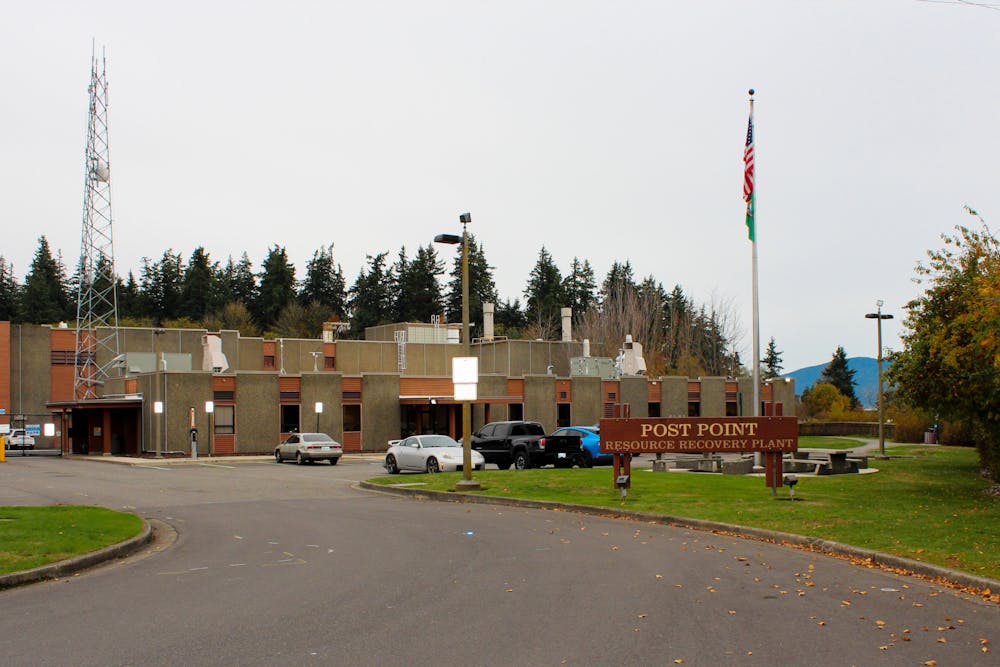
The city plans to invest these rate increases into its most critical needs, such as replacing pipes that are over 100 years old or making key upgrades at water and wastewater treatment facilities. These rates are tailored to the improvements necessary for each utility – drinking water, wastewater and stormwater – with wastewater rates increasing more significantly to support major upgrades at the Post Point wastewater treatment plant.
“As pipes age, there's a potential for leaks, especially at the joints where the two pipes are connected and cause an overflow,” said Justin Clary, the general manager of Lake Whatcom Water and Sewer District. “Similarly, at these pump stations, as they age, there could be a situation where there's a pump failure that could then result in an overflow into the watershed that could reach (Lake Whatcom).”
For a while, these projects were postponed to keep rates down while the city designed a plan to address infrastructure needs, but Mayor Kim Lund said on the city’s news website that, “We’ve reached a point where continuing to delay investments would lead to even higher costs and more disruption in the future.”
These planned projects, which the city will work on over the next 20 years, will total to almost $500 million in costs. These increases will fund infrastructure projects like the repair and replacement of aging water distribution pipes, increased water storage and fire flow improvements, water treatment plant improvements and upgrades and wastewater treatment plant emissions upgrades.
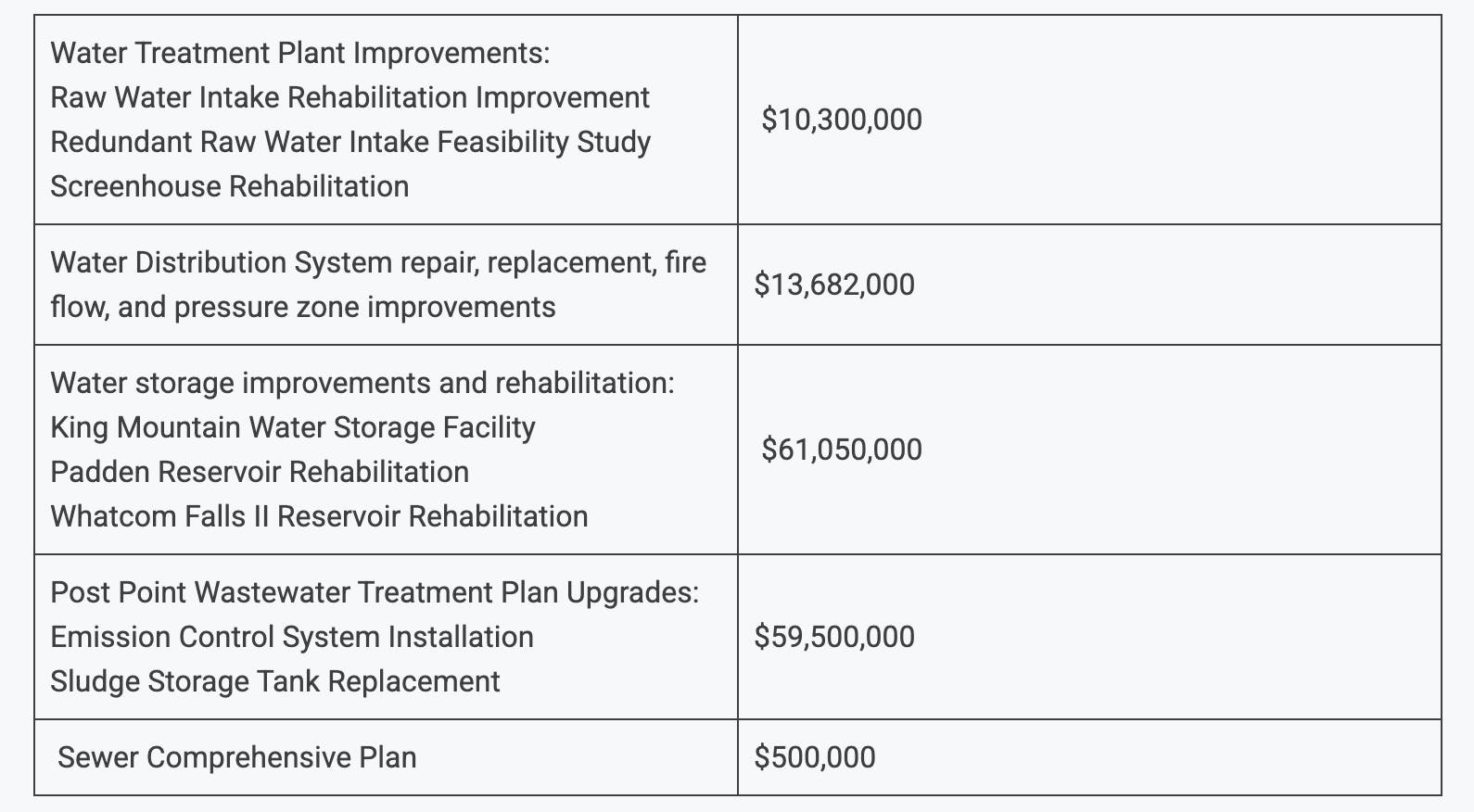
Rate increases also take into account operational needs like day-to-day operations and maintenance, long-term infrastructure needs, required reserved funding and debt service from prior commitments.
With affordability in Bellingham becoming increasingly hard, the city is expanding their Customer Assistance Program (CAP) eligibility requirements to help those who feel burdened by the rate increase. The city anticipates that enrollment will triple from 750 customers to 2,250 customers, according to Torhil Ramsay, the Public Works communications and outreach coordinator for the city of Bellingham. The costs for the CAP are also built into the rate increase with a small percentage from each increase going to fund the support program.
Customers whose landlords pay the utility bills and cover the cost in the rent are not eligible for the CAP, as it’s only for customers who directly pay their bills. The city expects that landlords will factor the increase into future rent.
For some, the increase may come as both a necessity and a burden.
Kaia Olson, a Western Washington University student and officer for Students for Climate Action at Western, highlighted how even though these infrastructure upgrades are necessary, it can put more financial strain on those struggling to afford housing.
“I rent, and utility increases are not great,” Olson said. “I think, and a lot of students would think as well, we need the infrastructure, but that shouldn't come at the cost of affordable housing.”
Olson acknowledged the benefits that these upgrades might address in regard to climate change and needs for the future, like building infrastructure to be able to handle and treat storm water.
“Having the capacity to handle it and treat that storm water so it doesn't impact our safe drinking water, the bay and other delicate ecosystems; I would hope that the infrastructure they're implementing would address that,” Olson said.
Clary brought up how through the Lake Whatcom Management Program — a partnership between the City of Bellingham, Whatcom County, and the Water and Sewer District — they just started a climate vulnerability assessment. The assessment takes a look at climate change and the kind of impacts that might occur within the lake watershed that affect the quality of water, which could have direct impacts to the local water systems.
Something the District has done is install ShakeAlerts, an early warning system for earthquakes, on reservoirs that detect and send out notices to infrastructure in the event of a large earthquake that will do things like shut valves down to preserve water in the reservoir. The district also plans on retrofitting or replacing infrastructure to meet current seismic design standards.
Clary highlighted the need to take a proactive approach to infrastructure investment to ensure the long-term service life of infrastructure and to guarantee the continued protection of the lake's water quality.
“Doing that work now versus having to correct for it in the future,” Clary said, “it's way more cost effective.”
Bodey Mitchell (he/him) is a campus life reporter for The Front this quarter. He is a second-year Journalism pre-major. In his spare time, Bodey can be found snowboarding or playing guitar. You can reach him at bodeymitchell.thefront@gmail.com.


