
Every Halloween season, millions of Americans begin the hunt for the perfect costume in stores and online. But behind all the spooky excitement is a strong reliance on disposable costumes from fast fashion brands that add to landfills and waste consumer money.
Although disposable costume culture remains dominant during spooky season, Western students seek to incorporate sustainability, affordability and creativity in their costume-crafting practices. By visiting local thrift stores or using on-campus resources, designing their own costumes is friendly to their student budget and the environment.
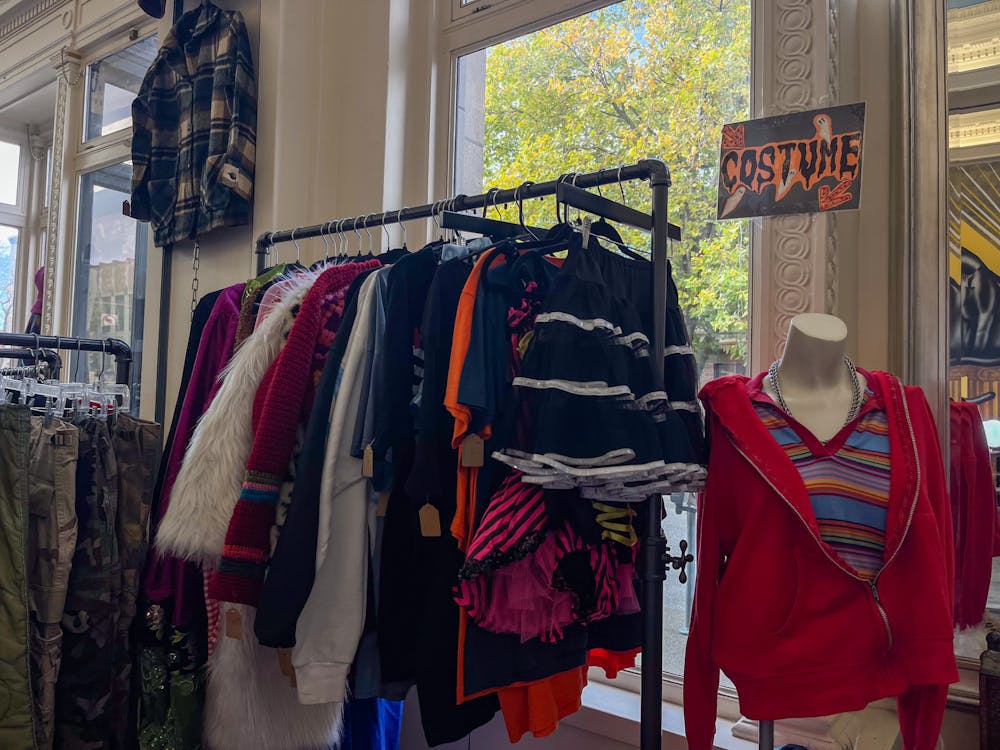
Natalie Mote, store manager of Worn Again Thrift in downtown Bellingham, said that the worst aspect of Halloween is that it exacerbates the issue of purchasing items for single-use purposes. To avoid wearing something once and piling it in a donate bin, Mote finds that anything can be sourced secondhand, even if it is immediately available in fast fashion locations like Spirit Halloween.
One barrier to sustainability is its higher price tags on firsthand and ethically sourced items. Some Western students find that thrifting helps alleviate this issue by offering the opportunity to buy already-worn, less expensive clothing.
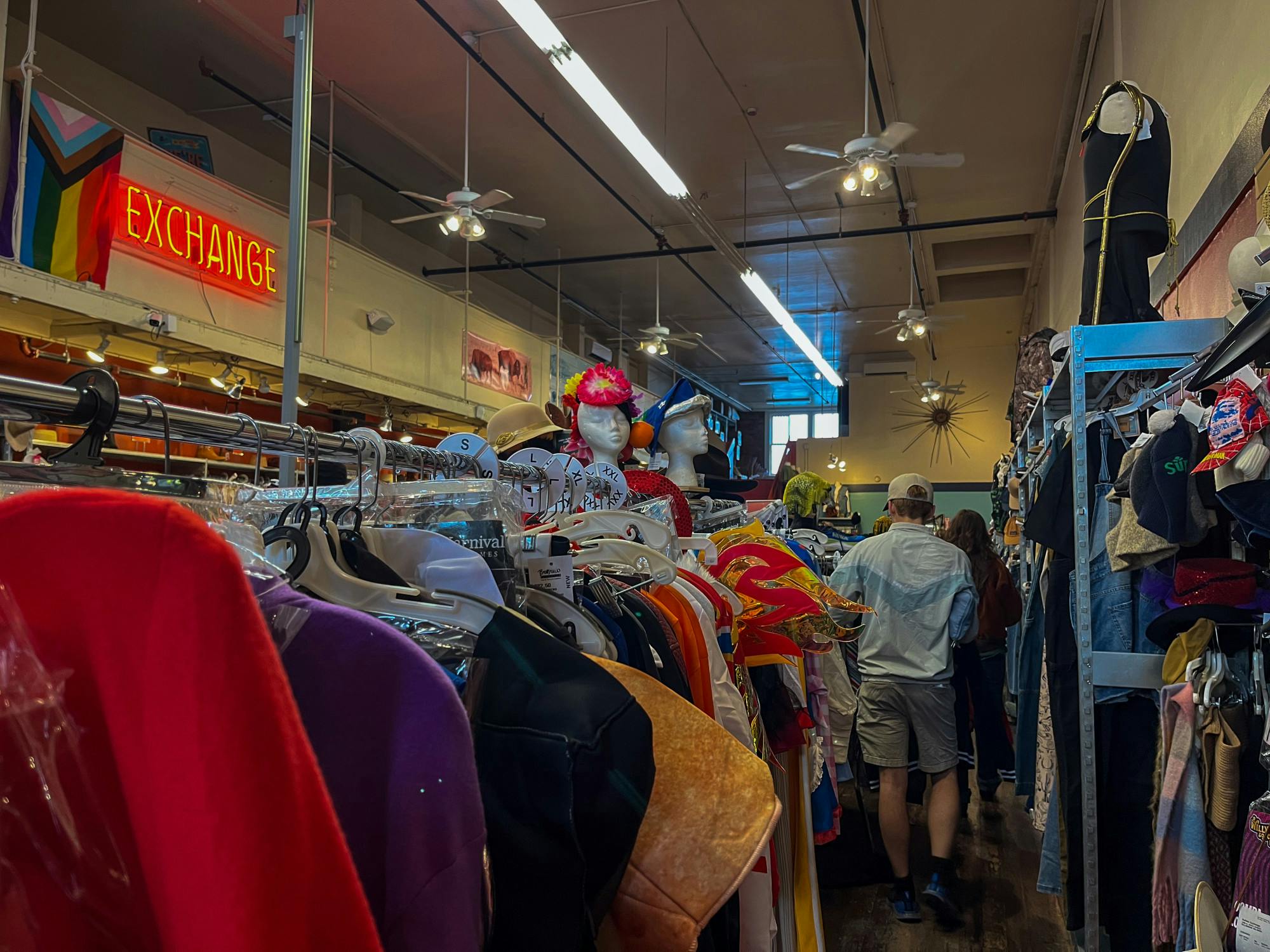
“I think the problem with fast fashion is it's very accessible to people,” said Kayleigh Burk, a junior at Western who shopped for a Halloween costume at Buffalo Exchange. “This gives a more affordable alternative as opposed to slow fashion brands, which are nicer, but are more expensive.”
Time constraints of student life play a role in turning to fast fashion for costumes, so crafting a costume through thrifted or handmade pieces requires more conscious involvement in the designing process.
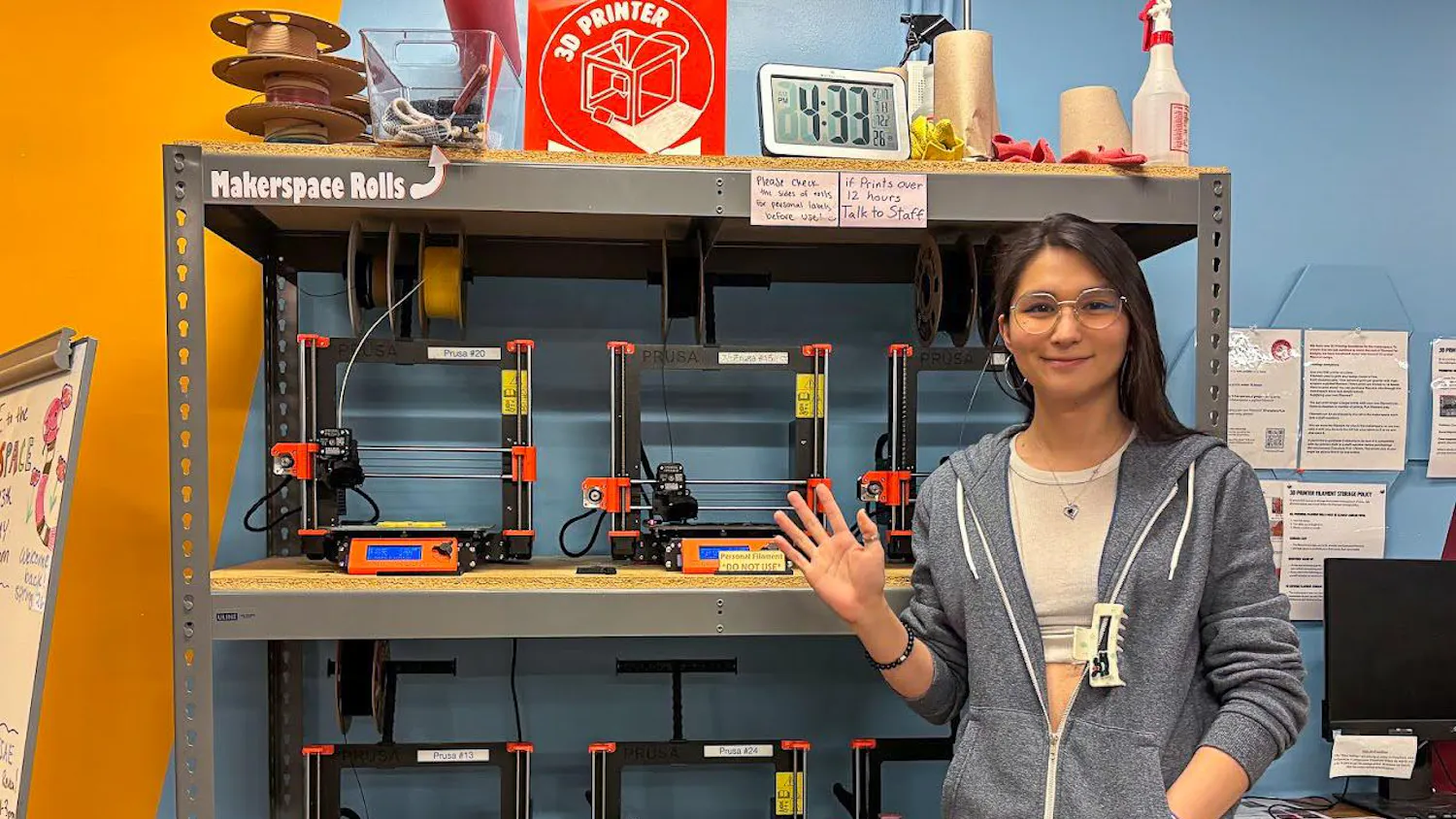
With on-campus resources like the Makerspace, students can craft their own projects with free access to equipment such as 3-D printing, laser cutters and sewing machines.
“Sustainability will always be an important thing in our world, and it's something that we should strive to achieve as much as we can, and the Makerspace allows us to pursue that in a much more comfortable learning environment,” said Western freshman Zack Craven, who used the 3-D printers and the sustainable plastic materials in the Makerspace to create his Halloween costume.
This isn’t the first time Craven has made his own costume. He finds that in addition to the environmental and financial benefits of handmaking a costume, there is also the opportunity for innovation in personalized self-made items.
“Working on costumes has been something I've done for Halloween every year, so being on campus instead of at home, I don't have access to my usual set of tools,” Craven said. “It has been a surprisingly comfortable process to adapt to the Makerspace. All the staff are really welcoming and able to help out with every question I've had yet.”
Employees at Worn Again encourage devising costumes out of various thrifted pieces for more original costume results as well. Mote said they put the costume rack together with actual costumes, as well as pieces they see potential for a costume in.
“That ability lies in anyone - you can look at a piece and you can go, ‘what if I turned it into a cowgirl or what if I turned it into an alien?’” Mote said. “I find so much more satisfaction in a costume if I know that I put the pieces together than if I bought it off a rack, and I could run into someone wearing the exact same thing.”
In addition to the creative aspects of piecing together a costume, Western senior Maria Iliescu, who shopped with Burk at Buffalo Exchange for a Rapunzel costume, emphasized the continuing sustainability of rewearing the costume pieces in day-to-day life.
“Halloween is just one day, and it's a shame to buy something and then throw it out,” Iliescu said. “This dress is really cute, and I'd probably wear it other times, but when I want to be Rapunzel for Halloween, I can do that too.”
Craven offers words of encouragement for students who are hesitant to develop a costume through thrifted or handmade items because of stress or time constraints.
“Whoever questions their own ability to make a costume, just try it,” Craven said. “The worst thing that can happen is you end up with something that you can work on next time.”
Rosalie Johnson (she/her) is a campus life reporter for The Front this quarter. She is a second year journalism major on the news/editorial track and aims to finish a minor through Western’s Honors College. Outside of reporting, she enjoys watching new movies and exploring Bellingham with friends. You can contact her at rosaliejohnson.thefront@gmail.com.