

Have you heard of the WTA? No, not the Women's Tennis Association or the Whatcom Transportation Authority. This WTA stands for the Washington Trail Association.
This nonprofit — founded in 1966 — began as a grassroots magazine called Signpost, a place for trail lovers in the Northwest to share their adventures in the backcountry and trail conditions in areas they visited, according to WTA’s website.
Anna Roth is the digital content manager and media liaison for the WTA. She shed insight into what the WTA is, the goings on within their volunteer program and more.
Q: How would you explain what the WTA is to someone who hasn't heard of it before?
A: WTA is Washignton’s largest statewide environmental nonprofit. We do a lot of different work all centered around creating a sustainable and welcoming hiking community in Washington.
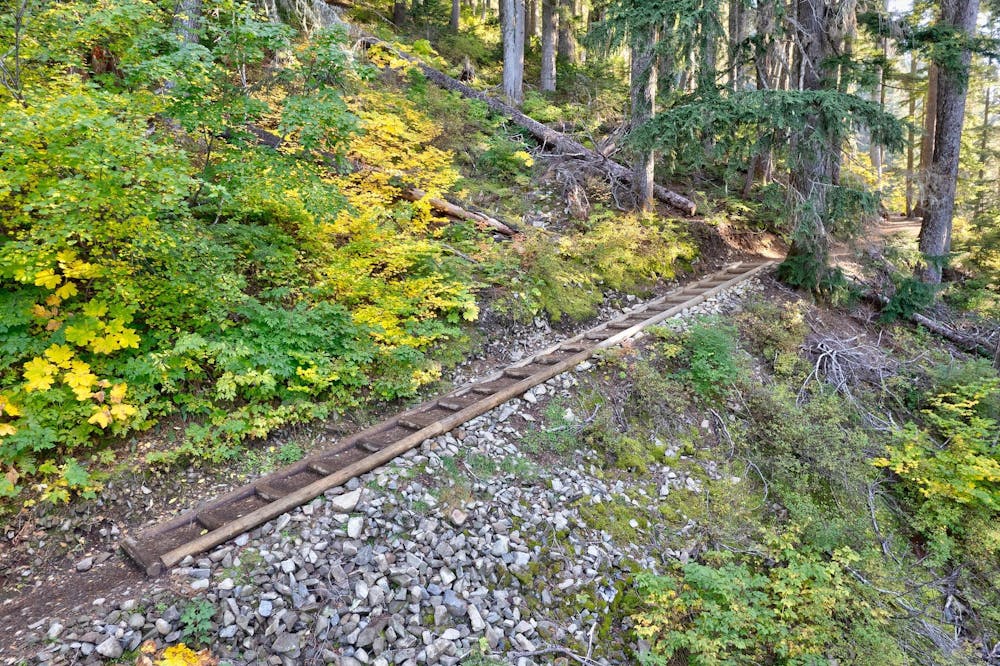
We do lots of trail work, which is all done in partnership with the agency that manages the land. We work closely with the Park Service and all the agencies down to cities, counties and local organizations.
We do advocacy work and engagement with hikers year-round. For example, hiker rally day is a big event where we go to Olympia, meet with legislators and talk about WTA’s priorities for trails and what funding we see invested in the trail system.
We also do youth programming and programming where we train folks how to take their groups outside (Outdoor Leadership Training).
Q: What is the mission of the WTA?
A: WTA believes that anybody who wants to get outside should be able to. Being able to hike and spend time outdoors is important to physical, mental and emotional health, and Washington has such incredible green spaces and natural areas.
We think anybody who wants to get out to those places should be able to and do it safely with education about how to do well. We provide resources to learn to hike responsibly and to be a steward, in addition to resources that help people actually get to those trailheads.
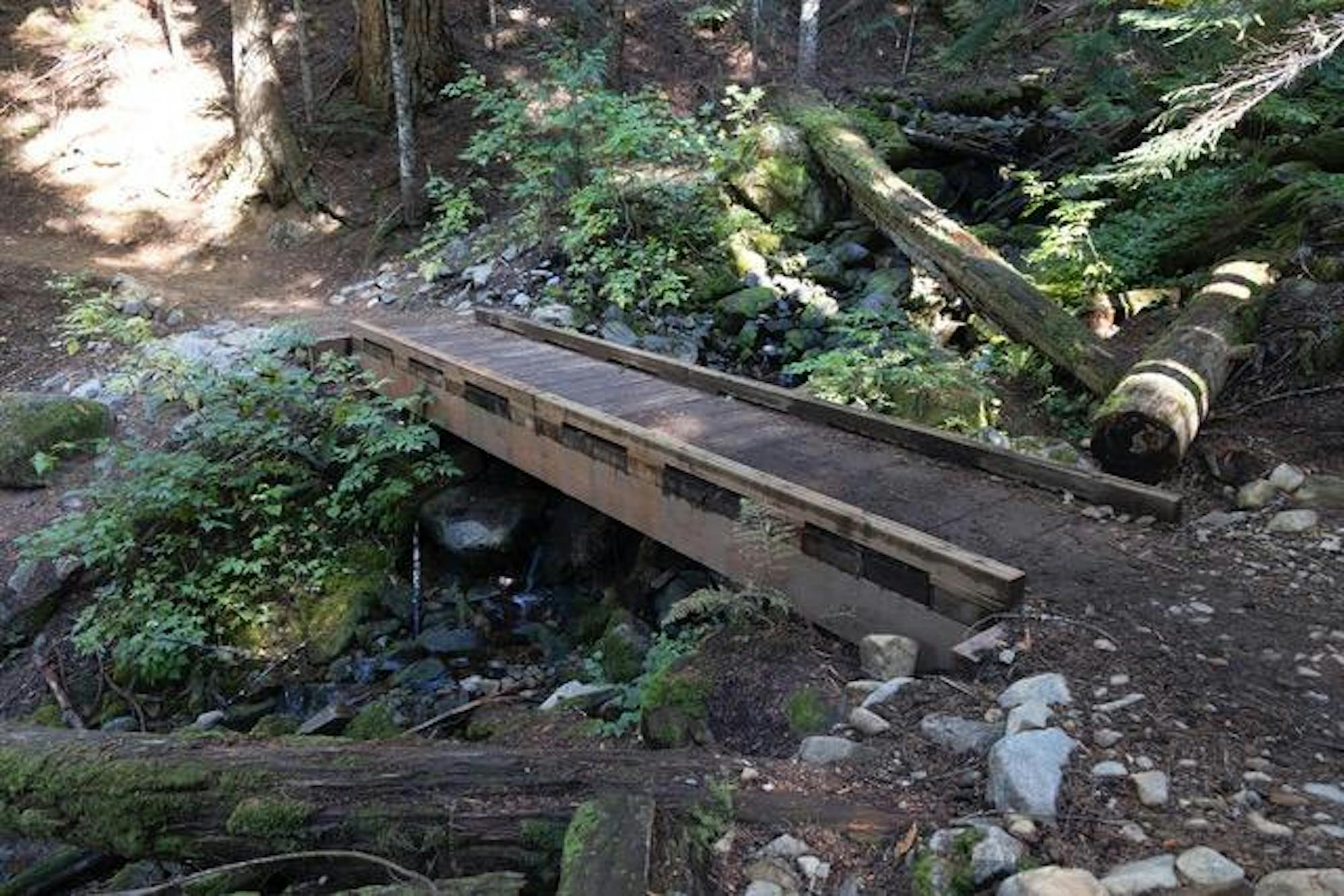
A wooden bridge over a rocky stream on the Annette Lake Trail in North Bend, Wash., on Oct 11, 2024. This trail in the Mount Baker-Snoqualmie National Forest is a 7.5 mile hike. // Photo courtesy of USDA Forest Service- Pacific Northwest Region
Q: In the volunteer program, what do work parties look like?
A: The work parties are all structured similarly. Our start time is typically 8:30 a.m. You meet at the trailhead, the crew head greets the crew and tells them a little bit about the project.
The crew leaders wear blue hard hats, the assistant crew leaders wear orange hard hats and volunteers wear green hard hats. You hike to the work site and get split up into groups based on the project that needs to be done. An orange hat will take a group of green hats, and they'll work on their part of the project. Then at the end of the day, you've completed your goal.
Volunteers don't have to know anything about trail work to come volunteer with us. You get taught in the field.
Q: How can people get involved with volunteering for their first time?
A: Anytime you want to volunteer you can head to wta.org/volunteer. We’ve got a list of parties that work all over the state.
Q: How valuable is volunteer work to the WTA?
A: Volunteers are really important, and we're very grateful for the people who are willing to come and spend days at a time on trail with us.
WTA started our volunteer trail work program a little more than 30 years ago. It was partially to help support the Forest Service because that’s when they started experiencing some of this disinvestment that they're still struggling with.
Q: Aside from volunteering, what else is important in helping to maintain public land?
A: Volunteering is not the only thing that you can do to help. We still need agency staff. Volunteers cannot replace full-time paid staff. We need to invest in the Forest Service to have jobs in the areas where forest centers are. It makes a huge difference to have a point of contact who has lived in the area, knows it well and understands both the land and the Forest Services’ work. Having somebody with that year-over-year expertise and familiarity helps in doing not only annual maintenance but big projects; They can understand how hikers are using trails.
We believe that agency staffing needs to be increased. We need to have those seasonal full-time employees in all the forests and parks in Washington in order to have really robust and healthy recreation opportunities.
Quincy Koch (she/her) is an opinion writer for The Front this quarter. She is a third-year student at Western, majoring in communication studies and minoring in journalism public relations. She loves spending time with friends, singing and adventuring outside. You can reach her at quincykoch.thefront@gmail.com.


