
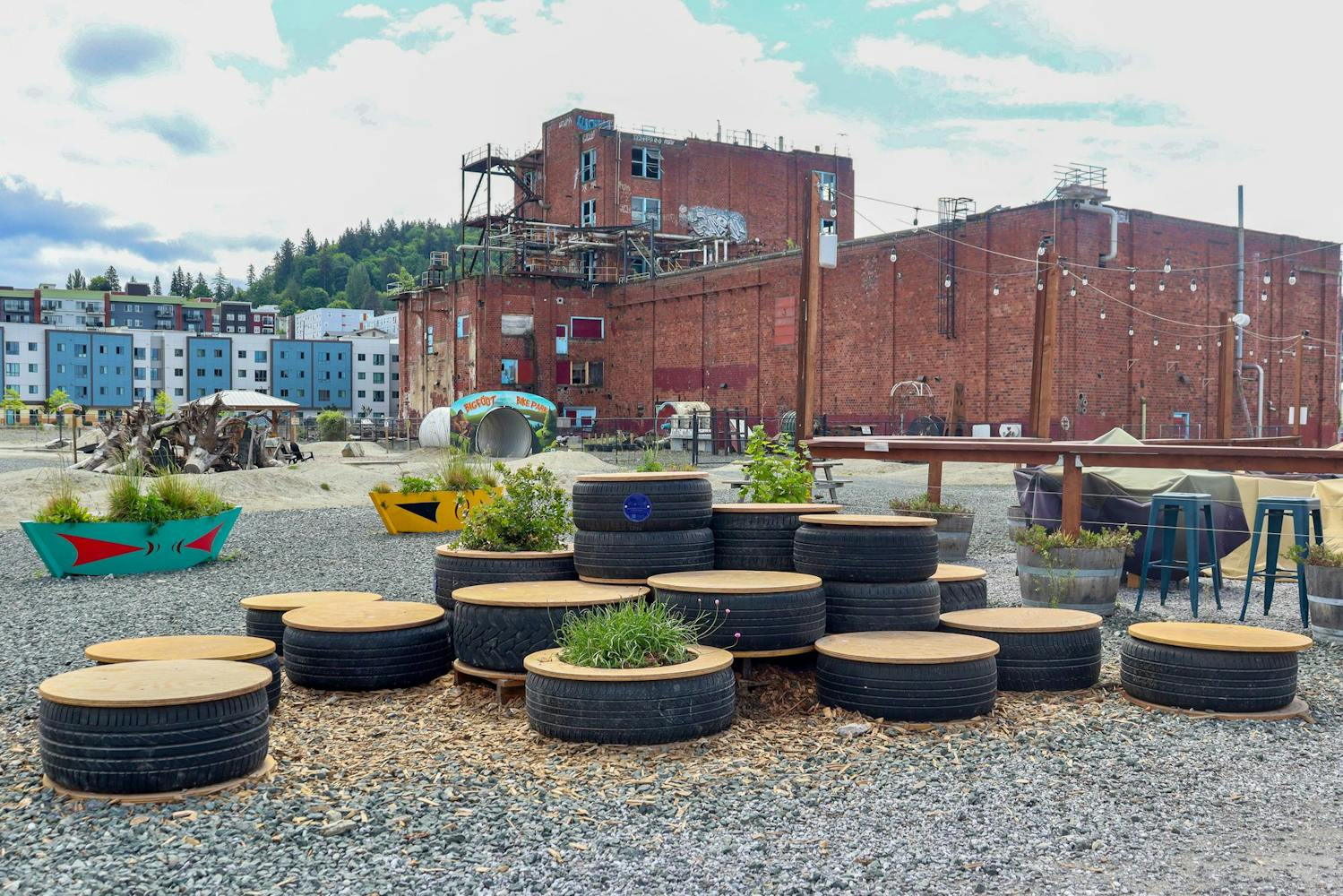
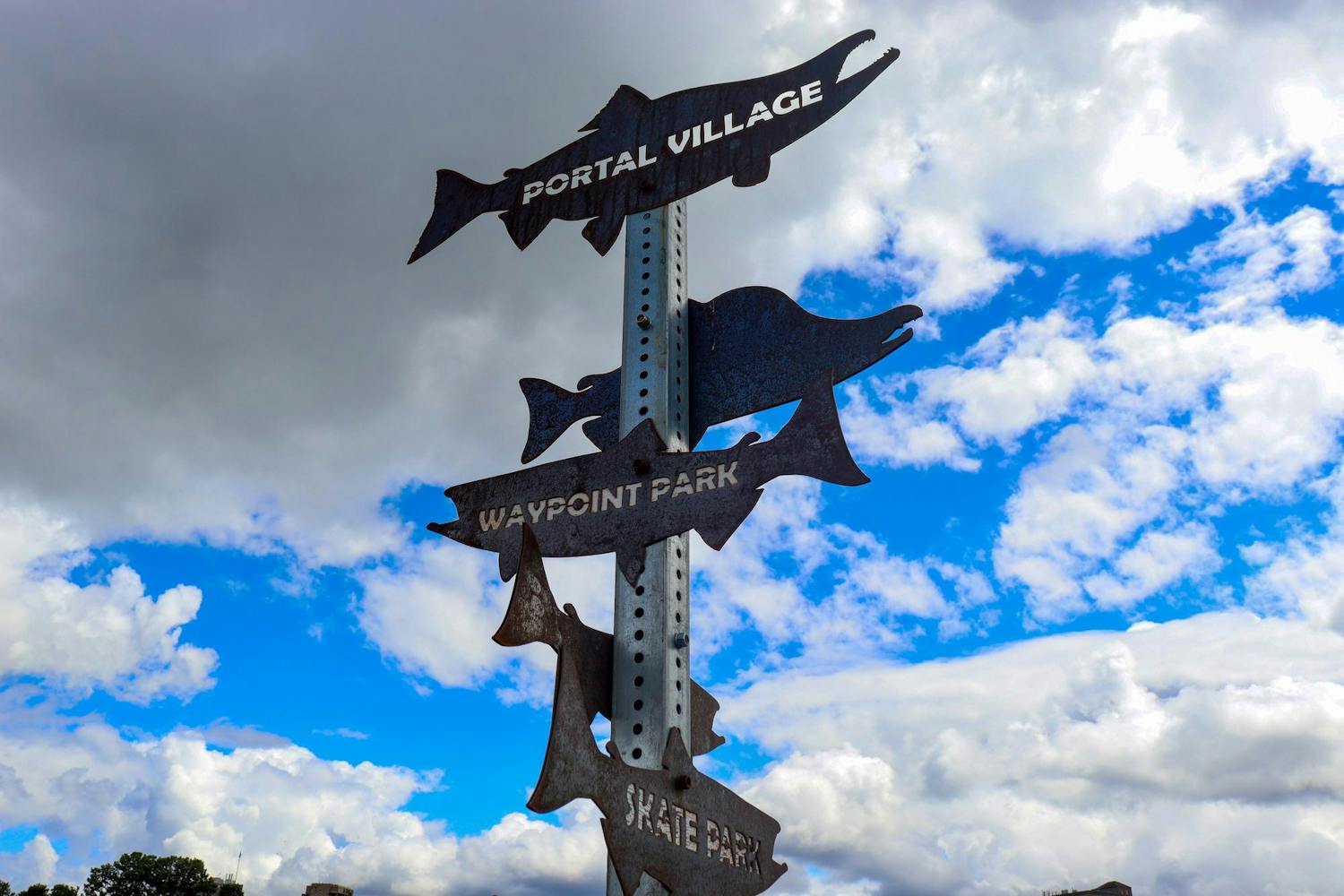
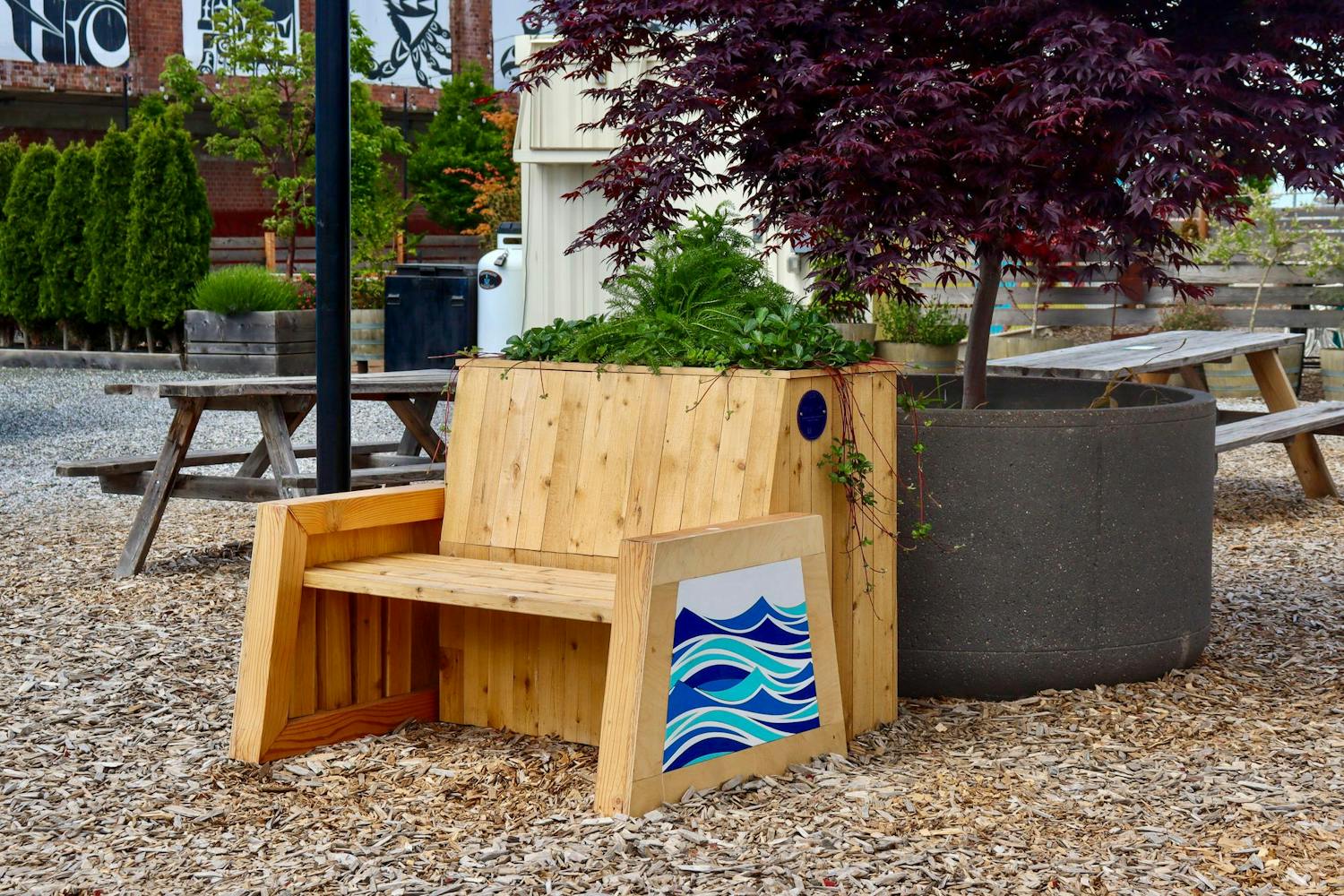
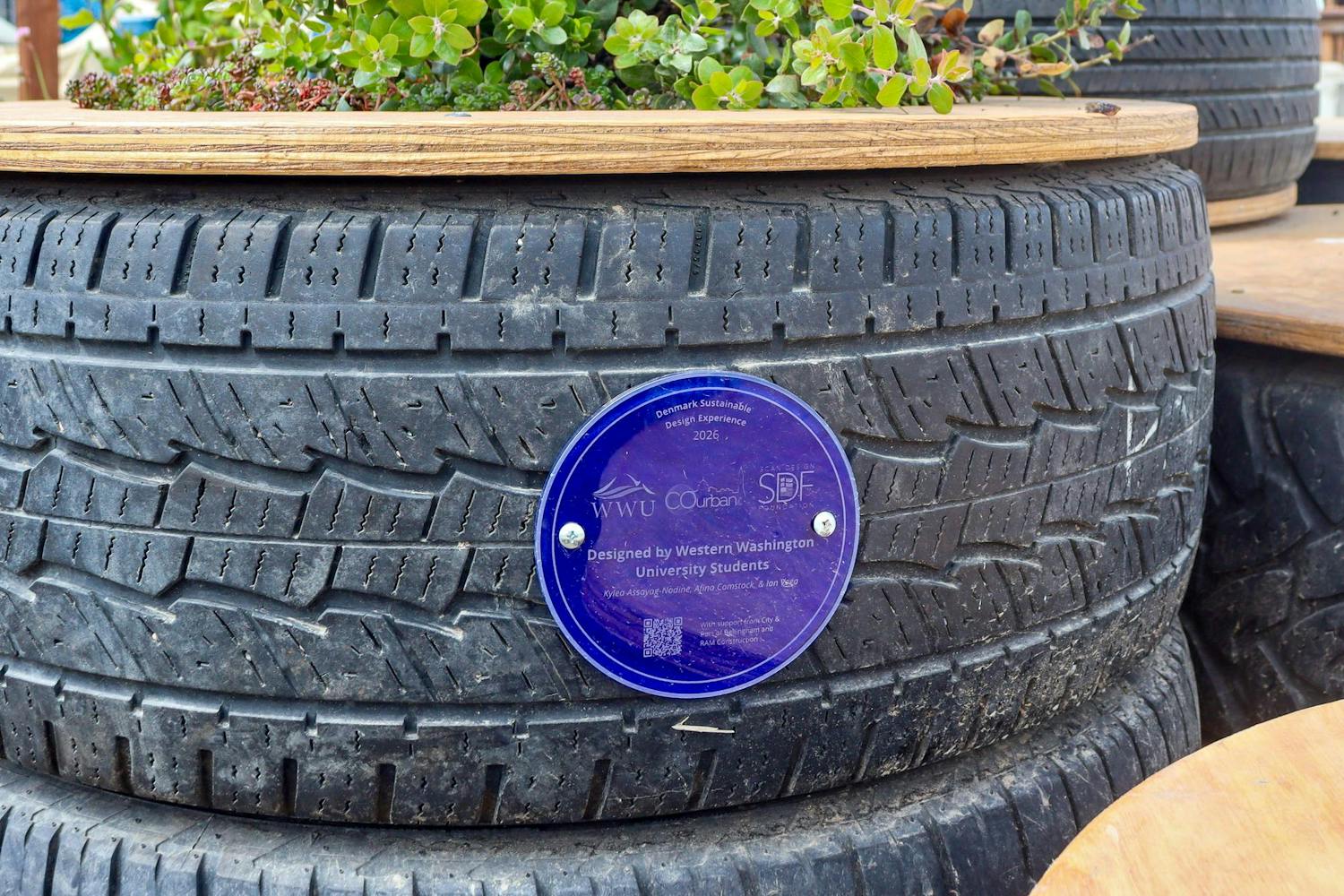
Last summer, 10 students from Western Washington University traveled to Denmark for two weeks to study sustainable design. After returning, they began working on three sustainable projects for Bellingham’s waterfront, which were unveiled March 20, 2026.
Western’s Engineering and Design Department collaborated with several partners to make the trip and projects possible. The Scan Design Foundation, a grantmaking nonprofit, funded the trip.
The SDF was founded through the estate of the late Inger and Jens Bruun, a Danish couple. To honor their memory, the foundation’s mission is to advance Danish-American relations and support cultural exchanges focused on environmental sustainability.
SDF President Fidelma McGinn was available for an interview to answer questions surrounding the foundation’s partnership with Western.
Q: What inspired the foundation to fund this study abroad experience for the Western students?
A: We’ve done many student exchange programs over the last – almost 25 years, and we've worked with a variety of other schools. We really wanted to do more with additional universities in the state of Washington, so we were introduced to WWU.
Q: Why is investing in student-led, hands-on design projects important to you and the foundation?
A: It speaks very much to the origins of our foundation that we’re rooted in. We wanted to expose students to high-quality craftsmanship and marry it with a consciousness around sustainable design.
Q: How did this project align with the foundation's broader mission around Danish-American relations?
A: We facilitate these cross-cultural relationships between the U.S. and Denmark, and the level of mutual respect and connectedness that happens even in a short amount of time is quite remarkable. We often hear from students where it may have been their first time leaving the United States and traveling abroad without their parents, and it's just transformative for them.
Q: Did you have any specific principles or approaches that you hoped the students would bring back?
A: This notion of designing for longevity and approaching things to be durable over the long haul. I think just by osmosis they would experience that.
Q: How important is it that these ideas are applied locally in communities like Bellingham?
A: I think it's super important. Our foundation isn't about the theoretical or the conceptual. We love to see the direct application, so the fact that the students have a tangible project that they built and got resources from the local community, that's a lovely fusion.
Q: Is there anything that these students gain from international, immersive experiences that they wouldn't get in a traditional classroom setting?
A: When they travel during these tense geopolitical times there's a lot of conversation that Danish people want to have with Americans. I feel when students have a chance to hear different perspectives and engage in thoughtful debate and dialogue, that is a really good thing.
Q: Do you plan on continuing to fund these programs and partnerships with Western and other universities?
A: Academia is a strong element of our grantmaking. If the program directors and faculty there say they want to continue it, we are very, very open to that.
Q: At a time when sustainability is increasingly more urgent, what role do you think young designers and students should play in shaping public spaces and design?
A: We have to find a solution to reducing this consumption of materials and destroying the ecosystems. As designers and consumers of their own products, this young generation really has to be thoughtful about that and help change the hearts and minds of the population.
Q: Do you have any advice that you would like to give to students interested in sustainable design or international study opportunities?
A: Curiosity is key, just always be curious about stuff. If you didn't get involved in this program, be persistent and think about reapplying. Doors open, or opportunities will present themselves.
Maevis Croteau (she/her) is a first-year reporting student and campus news reporter for The Front this quarter. When she doesn't have her face glued to her laptop, she's usually out enjoying a sunset or staying up ridiculously late to cuddle with her hamster, Bolt. You can reach her at maeviscroteau.thefront@gmail.com.