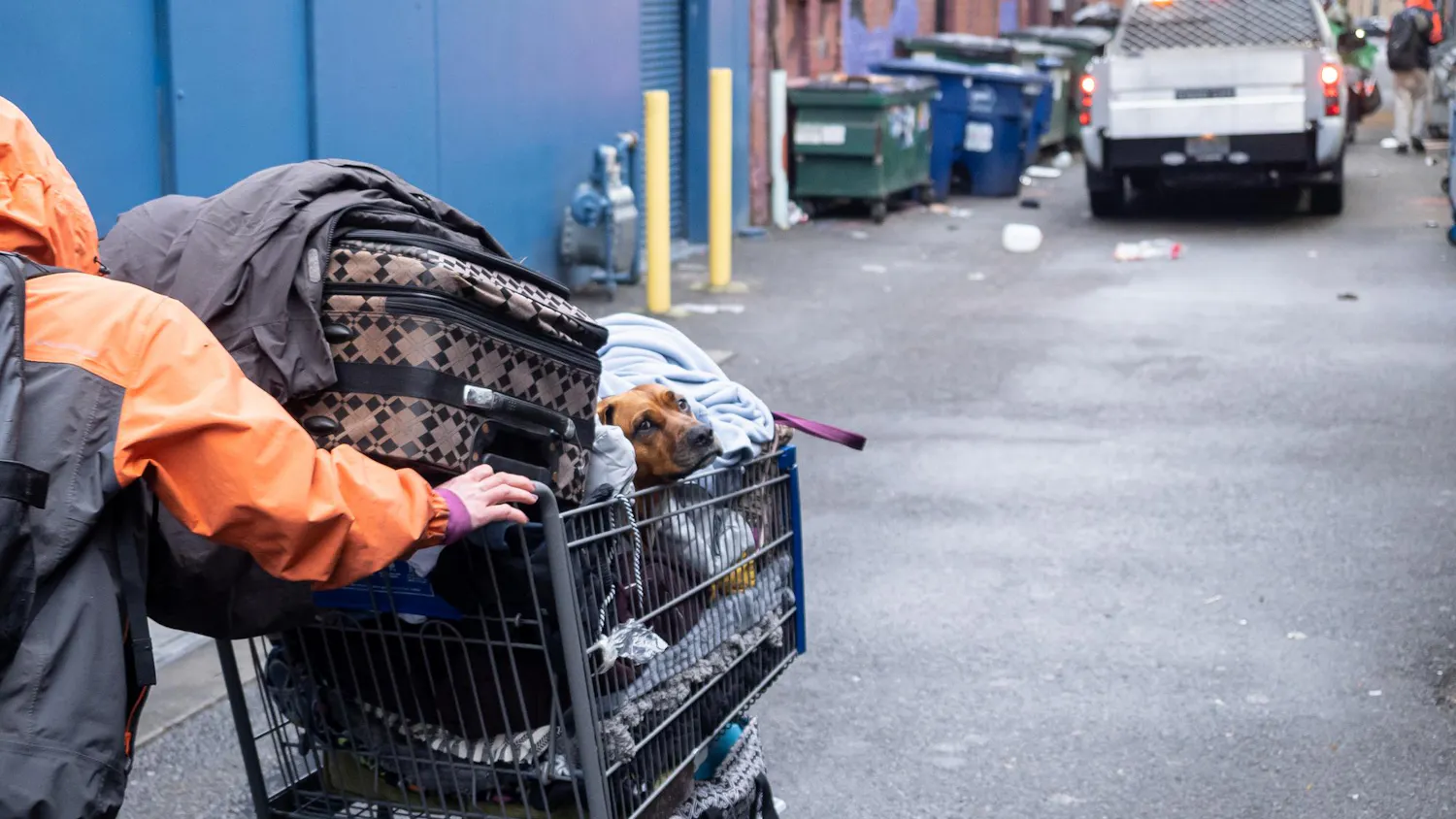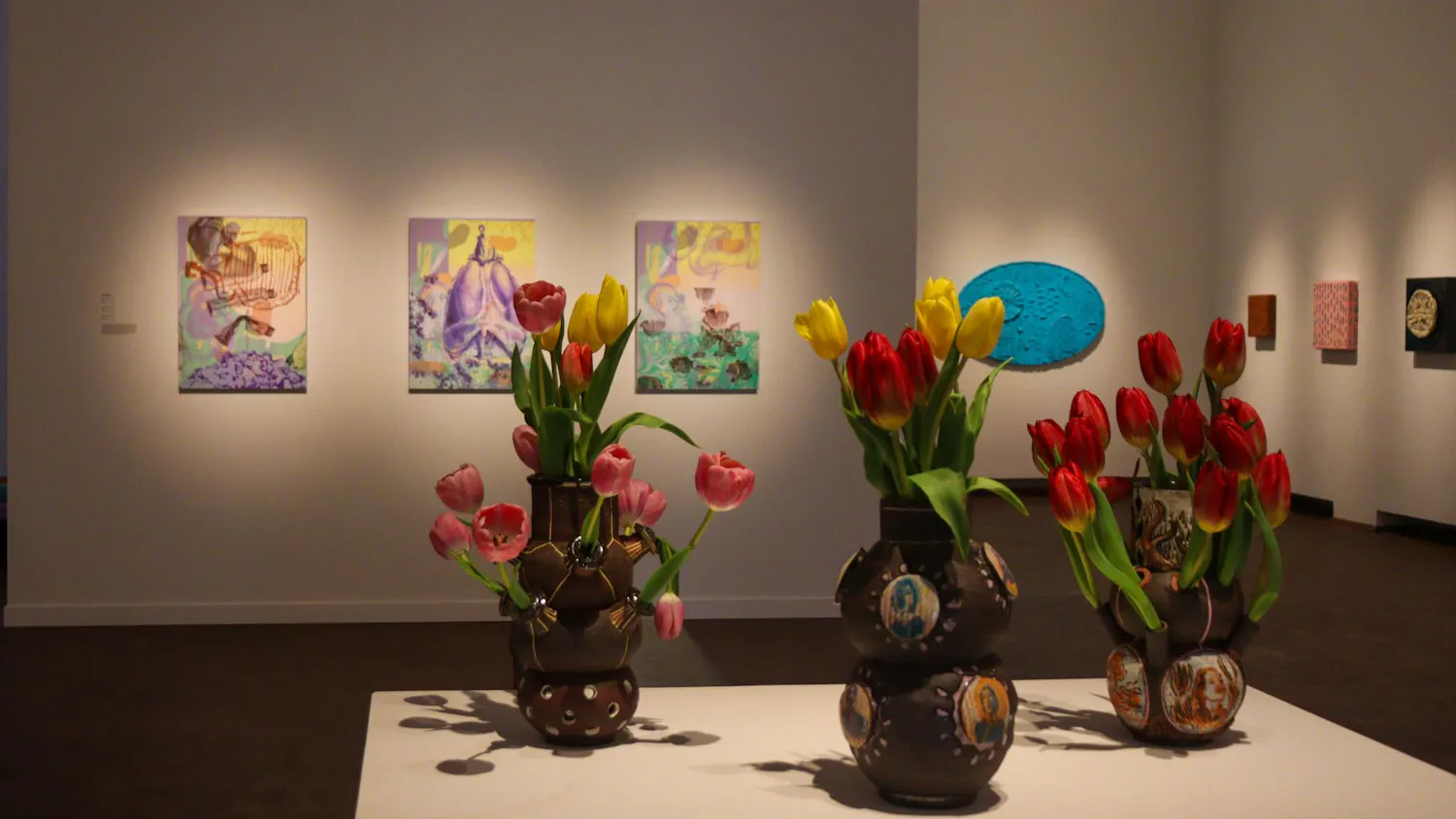


Between rising tuition, sky-high rent and a job market that seems reluctant to pay above minimum wage, many college students are learning that a single paycheck just doesn’t cut it anymore. Instead of taking on another part-time job, more students are turning to their own ventures and starting side hustles.
In a town where the average rent has increased by $200 in just a year, side hustles aren’t just trendy, they’re survival. For some, minimum wage just won't cut it anymore. The local economy simply isn’t built for students to thrive on one income, pushing many to get creative about how they earn.
This path has become a powerful way for students to take control of their time, money and creativity. Whether it’s selling art online, running a small embroidery business or woodworking, these ventures offer lessons that go far beyond the classroom.
What starts as a side hustle for extra income can often evolve into something bigger, and the first step is entrepreneurship.
“Entrepreneurship used to be hard to access. Now, anyone can start something from their dorm room,” said Arthur Sherwood, the David Cole Director of Entrepreneurship at Western.
For graduate student Milla Miller, her business began with a needle and thread. Starting embroidery in kindergarten, Milla picked up the craft again 4 years ago.
What began as a creative hobby evolved into Miss Milla Miller, a brand known around Bellingham for its upcycled apparel, such as thrifted sweatshirts and pants reworked into one-of-a-kind pieces.
“I got my business license in March of 2023,” Miller said. “I’d always had odd jobs, but this was something where I could get paid for doing something I really liked.”
Like many students, Miller’s side hustle was a bridge between her passion and practicality.
“It almost allowed me to do it more,” she said. “I didn’t feel like I had to be doing something else. I was being productive while doing something I loved.”
Balancing graduate coursework and a growing business isn’t easy, but the flexibility helps. Although it's a lot of work, she can make her own schedule based on her availability and what local markets she'd like to appear at.
“Even if people can’t afford to buy something, they’ll still stop by and say, ‘You’re doing amazing,’” said Miller. “It’s such a supportive community.”
Though she would like to keep growing her business long-term, for now, Miller is content with balancing both work and school. She is proving that side hustles can be more than a last financial resort, but a sustainable and self-made opportunity.
It’s a telling reflection of where we are as students today; the hustle isn’t optional anymore. Between steep rent and tuition costs, it's no wonder creativity has become currency.
While Miller found her niche in embroidery, Emma Fredlund, an environmental science and political science major took a more hands-on route, building a woodworking business from scratch.
Fredlund runs a small woodworking business with her stepdad. “He started it around 2017, and I joined in 2020,” she said. “It was definitely just a hobby at first, but then people started saying, ‘Your stuff’s kind of cool, I’d buy that.’”
Their projects range from cribbage boards to restaurant tables, including all the dining tables for The Skagit Table in Skagit County. But for Fredlund, the business isn’t about getting rich. It's about independence and pride in her work.
“All the money I make off woodworking is my fun money,” she said. “The money from my job goes to rent and tuition, and this is the money I can justify spending on a concert ticket.”
Like Miller, Fredlund says running a small business changed how she views her craft. At first, she said it became more stressful, and as a perfectionist, she held herself to a higher standard. A valuable lesson Fredlund learned is that the tiny flaws she sees aren’t what others notice, they just see something handmade.
She’s quick to point out that the creative process should stay fun, even when money’s involved. “When it got stressful, I had to dial back and remember why I started,” she said.
Both Miller and Fredlund’s stories show that side hustles aren’t just about survival but self-sufficiency, skill-building and reclaiming control over how we work.
Today, when economic pressure and hustle culture feels unavoidable, their stories raise a bigger question: why should students have to become entrepreneurs just to afford to live where they study? It’s a reality that deserves more than admiration, it deserves attention.
In a world where students are told to pick one path and stick to it, side hustles can prove that creativity can coexist with practicality. They give agency to students in an economy that often leaves them with little.
So whether it’s stitching thrifted sweatshirts or sanding down handmade cutting boards, today’s student entrepreneurs aren’t waiting for opportunity, they’re building it.
“People may start a business to survive, but many are using entrepreneurship to build the life they’d love to live,” said Sherwood.
Myla Balser (she/her) writes opinions for The Front. She’s a third-year Journalism student at Western, minoring in political science and film. You’ll usually find her reading, movie-marathoning or never turning down a good debate. You can reach her at mylabalser.thefront@gmail.com.